
Light
Bright Indirect Light
Requires at least 6 hours of direct sun daily to maintain its brilliant white spines.
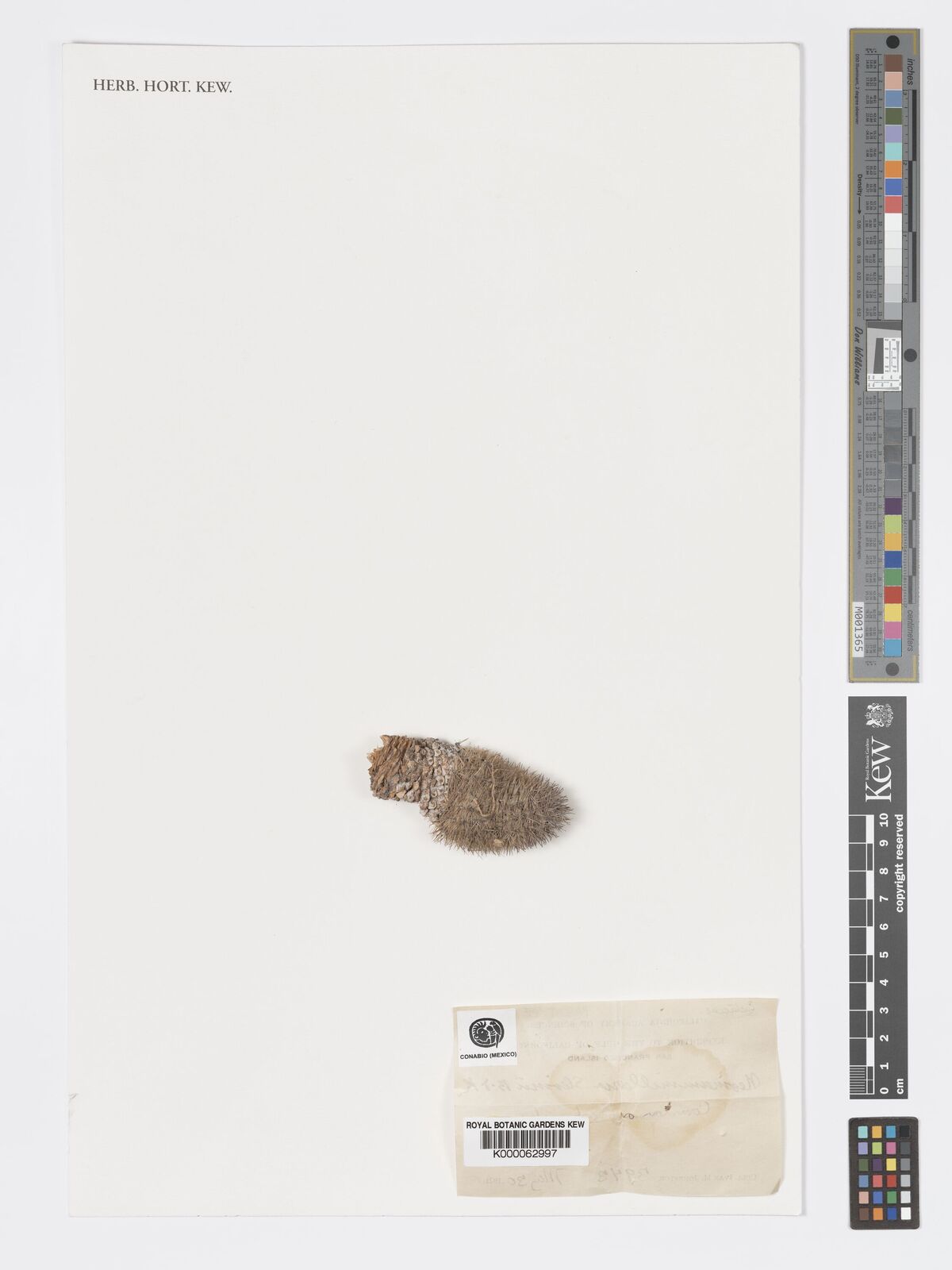 Reference image
White Cochemiea
Cochemiea albicans (formerly widely known as Mammillaria albicans) is a slow-growing, perennial succulent subshrub in the family Cactaceae. It is highly prized among succulent enthusiasts for its dense, snow-white spination and attractive globose-to-cylindrical growth habit.
Originally described by Britton and Rose as Neomammillaria albicans, this species was long classified under the mega-genus Mammillaria. Recent phylogenetic analyses have reinstated Cochemiea, grouping species endemic to the Baja California region 1. The specific epithet albicans derives from Latin, meaning "whitish," referencing the dense white spines that envelop the stems.
Cochemiea albicans is native to Mexico, specifically endemic to Baja California Sur, Sonora, and several islands in the Gulf of California 2. It thrives in desert scrub environments, rocky limestone hillsides, and coastal cliffs from sea level up to 200 meters, well-adapted to harsh xerophytic conditions.
The stems are cylindrical, growing up to 20 cm tall and 6 cm in diameter, often clustering from the base. It features tightly packed white radial spines and straight, occasionally dark-tipped central spines. In spring and summer, it produces funnelform flowers near the stem tips, exhibiting pale pink to white petals with prominent darker pink midstripes, followed by bright red fleshy fruits.
This species demands maximum light to maintain its brilliant white spination and compact shape. A very porous, mineral-rich potting medium with exceptional drainage is vital. Water thoroughly only when the substrate is completely dry, and suspend watering almost entirely during winter dormancy.
Overwatering and poor ventilation are the primary causes of root rot in Cochemiea albicans. Keeping the plant in a low-light area leads to etiolation (stretching) and weak, sparse spine production.
Requires at least 6 hours of direct sun daily to maintain its brilliant white spines.
Water only when the substrate is bone dry, and keep almost dry during winter.
Excellent drainage is vital; use a mix of pumice, coarse sand, and mineral soil.
Non-toxic, but features sharp, stiff spines that can puncture skin. Handle with care.
Very easy to care for, provided it is not overwatered and receives ample sunlight.
Endemic to the dry, stony limestone slopes of Baja California and adjacent islands in the Gulf of California, thriving in extreme arid environments.
