
Light
Direct Sun
Requires at least 6 hours of direct sunlight daily; ideal for south-facing windows.
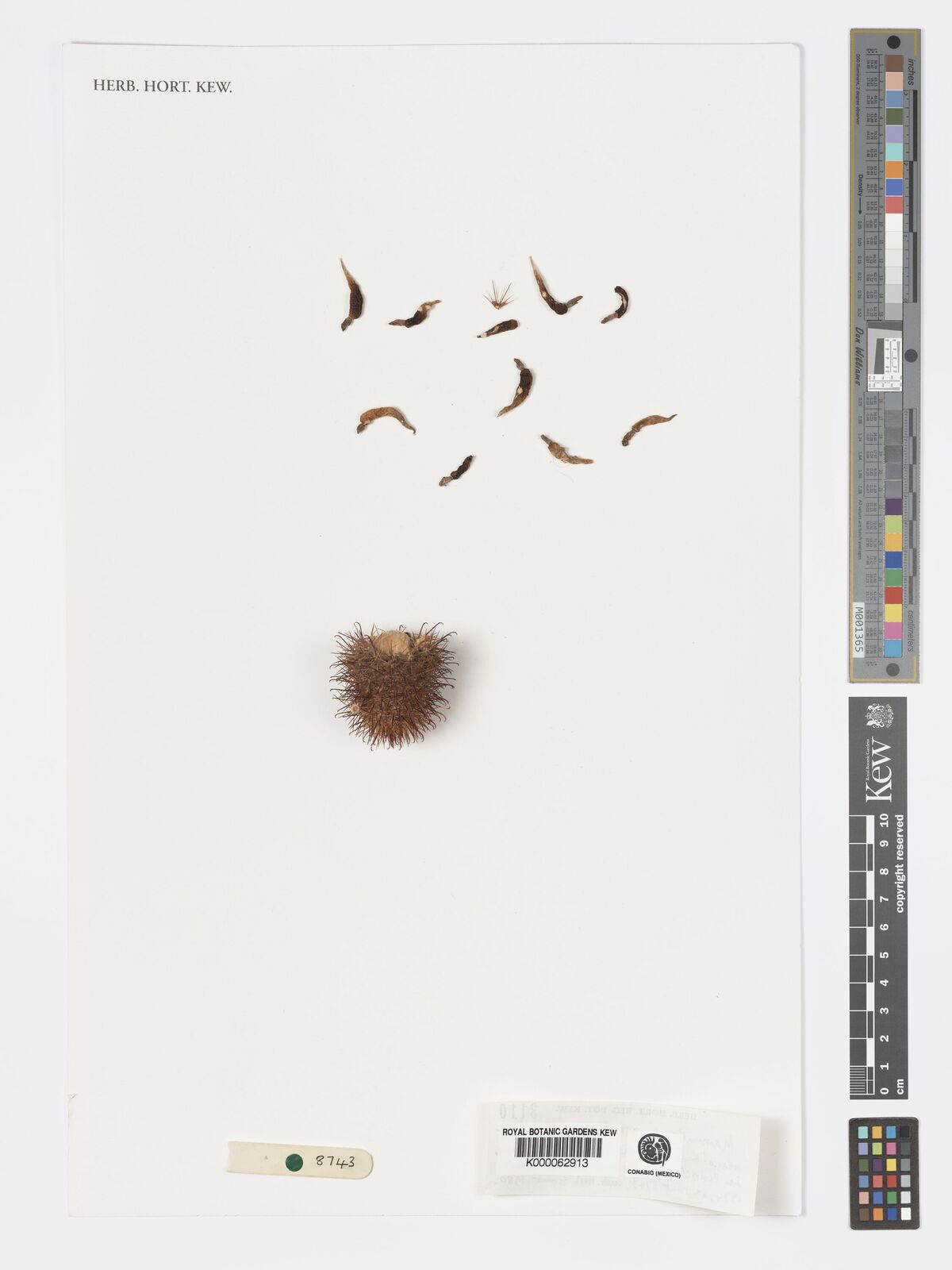 Reference image
Cochemiea armillata (formerly recognized as Mammillaria armillata) is a perennial succulent subshrub in the family Cactaceae. It is characterized by its cylindrical, clustering stems and strongly hooked central spines, forming attractive clumps in its native environment 1.
Originally described by K. Brandegee in 1904 as Mammillaria armillata, recent phylogenetic and molecular studies have reclassified it into the resurrected genus Cochemiea 2. The specific epithet 'armillata' means 'banded' or 'wearing bracelets', referring to the ring-like patterns formed by the spines on the stem.
This species is endemic to the southern portion of the Baja California Peninsula in Mexico. It thrives in arid desert environments, coastal hillsides, and rocky, gravelly slopes where it grows alongside other desert scrub vegetation 1.
The stems are cylindrical, erect to decumbent, up to 30 cm tall and 4-5 cm in diameter. The prominent tubercles bear woolly areoles with 1 to 4 strong, hooked central spines and multiple lighter radial spines. It produces bell-shaped, cream to pale pink flowers, which are followed by decorative, elongated, bright red fruits 2.
In cultivation, Cochemiea armillata requires full sun and a highly porous, mineral-rich soil mix. Watering should only be done when the substrate is completely dry. During winter, it should be kept cool and dry to mimic its natural dormant period 1.
Overwatering is the primary cause of failure, quickly leading to root and stem rot. Insufficient light results in etiolation, causing the cactus to stretch unnaturally and lose its robust spine coloration.
Requires at least 6 hours of direct sunlight daily; ideal for south-facing windows.
Water only when the substrate is fully dry. Keep dry in winter.
Requires mineral-heavy soil containing pumice, gravel, and minimal organic matter.
Features sharp, hooked spines that can cause mechanical injury to pets and humans.
Moderately easy for growers who can manage strict watering and high light conditions.
Native to the dry, rocky landscapes and desert shrublands of the Baja California Peninsula in Mexico, adapted to withstand long periods of intense heat and drought.
