
Light
Bright Indirect Light
Requires full sun or very bright indirect light. Benefits from at least 6 hours of daily sunlight.
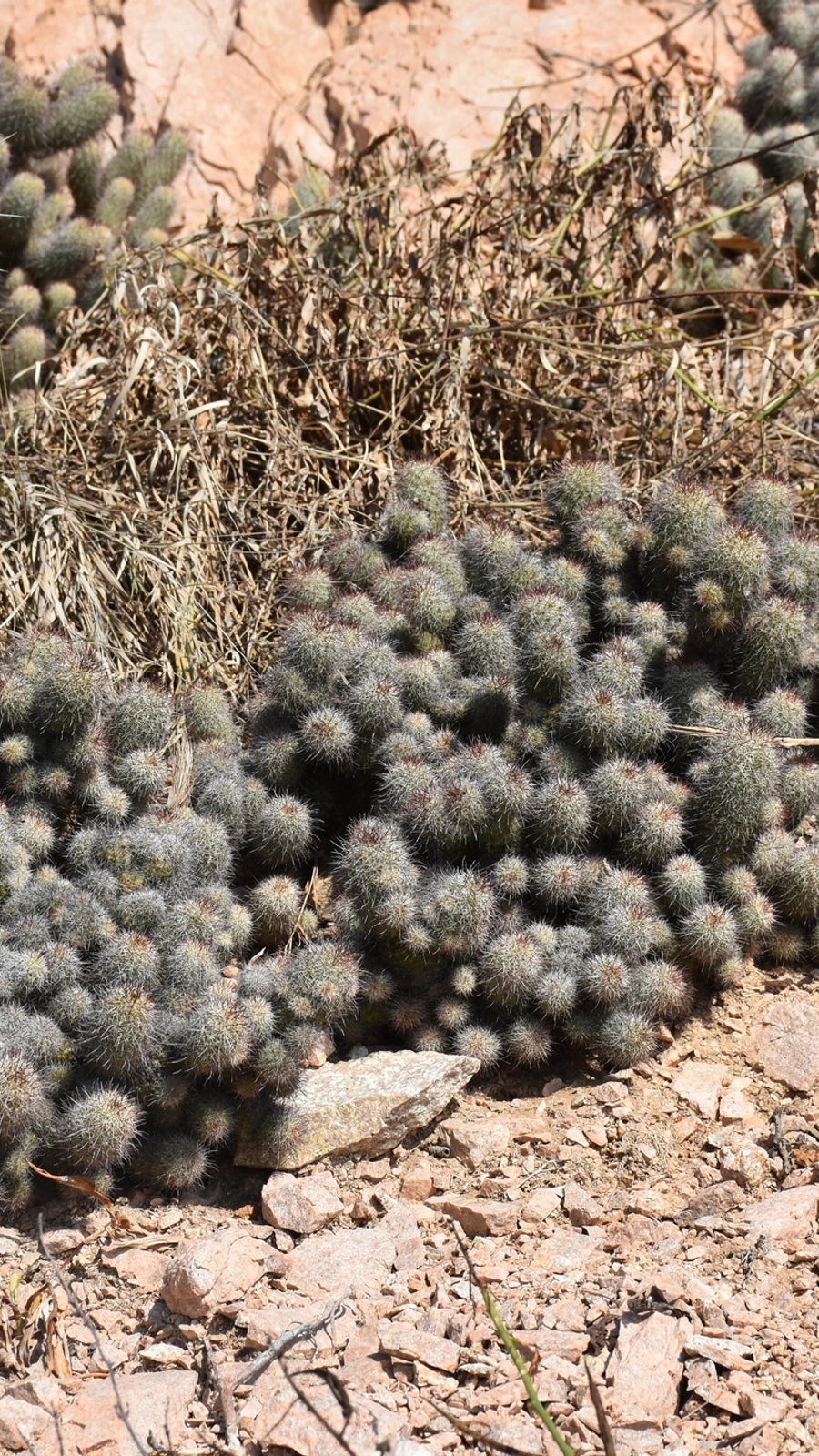 Reference image
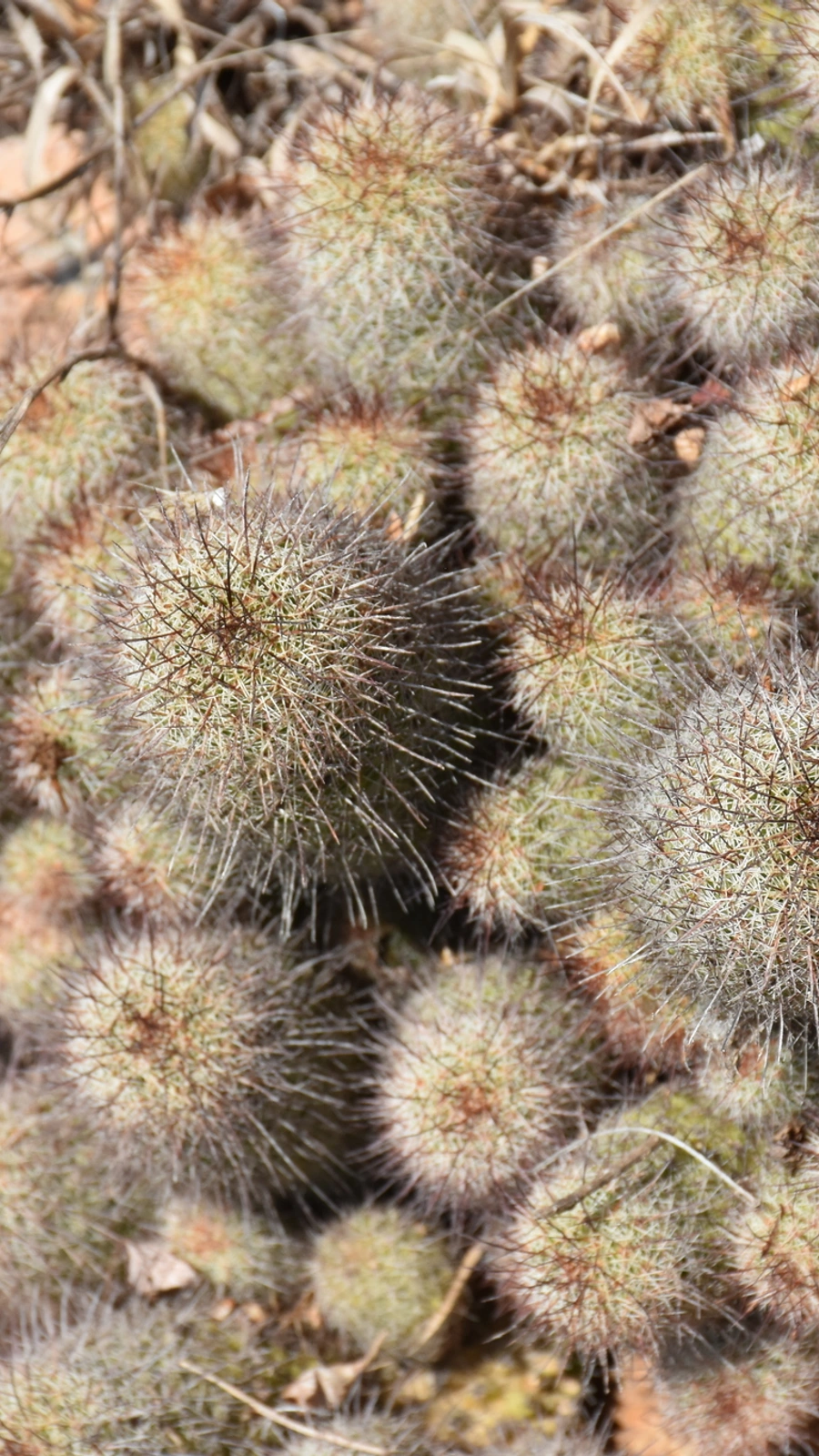 Reference image
Mazatlan Cactus
Cochemiea mazatlanensis is a clustering, perennial succulent cactus in the Cactaceae family. Known for its sprawling and decumbent habit, it forms large colonies by producing numerous basal offsets in its natural habitat 1. It is highly prized by collectors for its striking cylindrical stems and brilliant magenta flowers.
Originally described under the genus Mammillaria as Mammillaria mazatlanensis, recent phylogenetic analyses have placed this species within the resurrected genus Cochemiea 2. The specific epithet 'mazatlanensis' honors the coastal city of Mazatlán in Sinaloa, Mexico, near where the species was first discovered.
This species is endemic to western Mexico, spanning across Sonora, Sinaloa, Nayarit, Jalisco, Colima, Michoacán, and Guerrero 1. It typically thrives in coastal shrublands, dry deciduous forests, and rocky cliffs at elevations from sea level up to 1000 meters, growing in nutrient-poor, mineral-heavy soils.
The stems are cylindrical, pale green to grayish-green, measuring 10-25 cm long and 3-5 cm in diameter. The spines are prominent, with the central spines often being distinctly hooked. The funnelform flowers are bright pink, reddish-purple, or carmine, appearing in spring and summer. They are followed by small, fleshy, bright red fruits.
In cultivation, Cochemiea mazatlanensis requires an extremely porous, mineral-rich potting mix. During the active spring and summer growth phases, water thoroughly but allow the soil to dry out completely between waterings. Intense light is essential to maintain tight growth and promote regular flowering 2.
Overwatering during the winter rest period is the most common cause of root rot. Lack of adequate light results in etiolation, where stems become weak, thin, and lose their intense spine coloration, while also failing to produce flower buds.
Requires full sun or very bright indirect light. Benefits from at least 6 hours of daily sunlight.
Water thoroughly in spring and summer only after the soil dries out. Keep bone dry during winter.
Use a specialized mineral cactus mix with high amounts of pumice, perlite, and coarse sand.
Features hooked spines that can easily snag on skin or clothing. Keep away from curious pets. Non-toxic.
Moderately easy to care for, provided its dry winter dormant period is strictly respected.
Naturally occurs along the western coast of Mexico, inhabiting low-altitude rocky slopes, coastal cliffs, and dry tropical shrublands where it forms spreading colonies.
