
Light
Bright Indirect Light
Requires bright indirect light or filtered sun; avoid scorching midday summer rays.
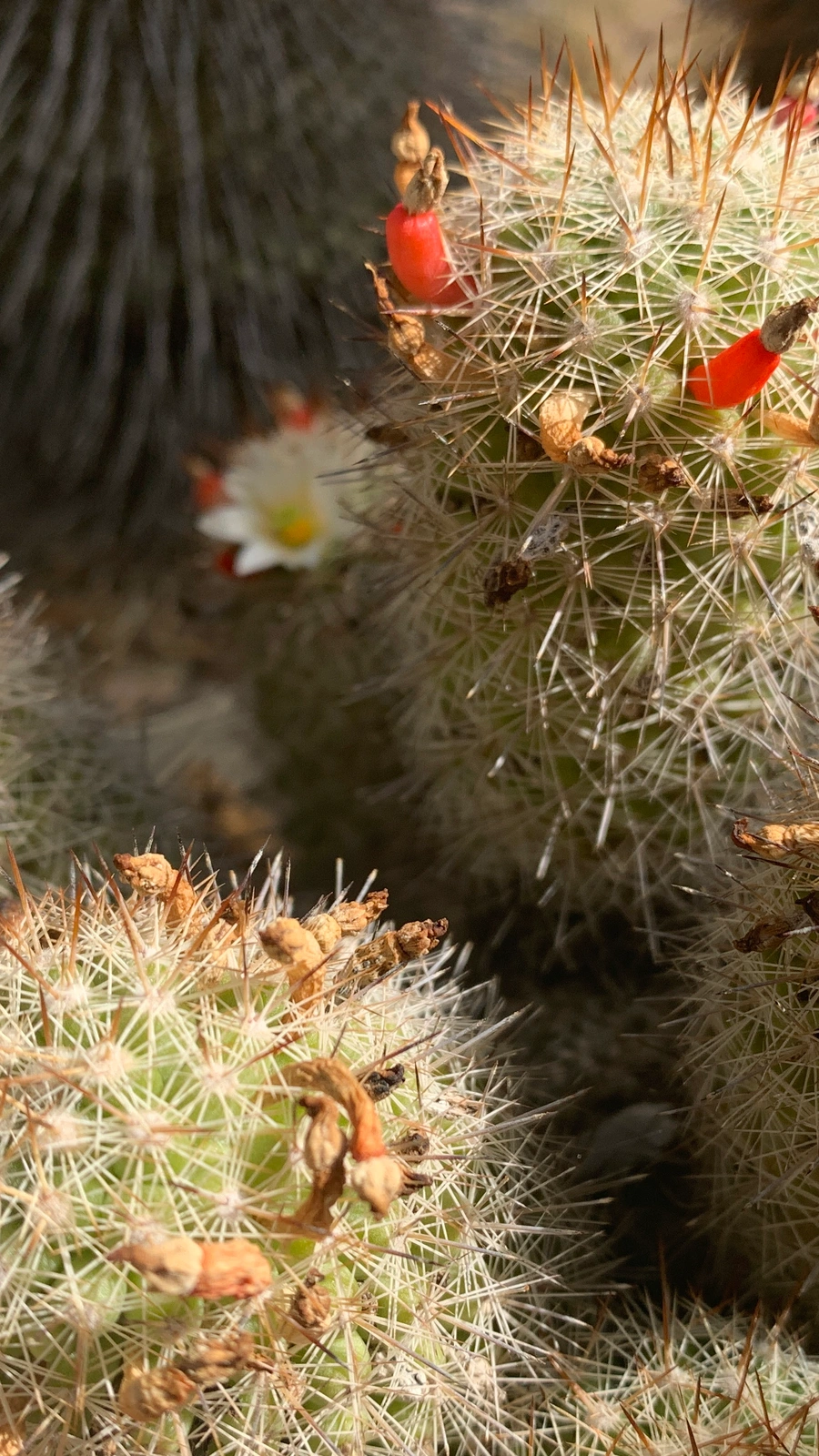 Reference image
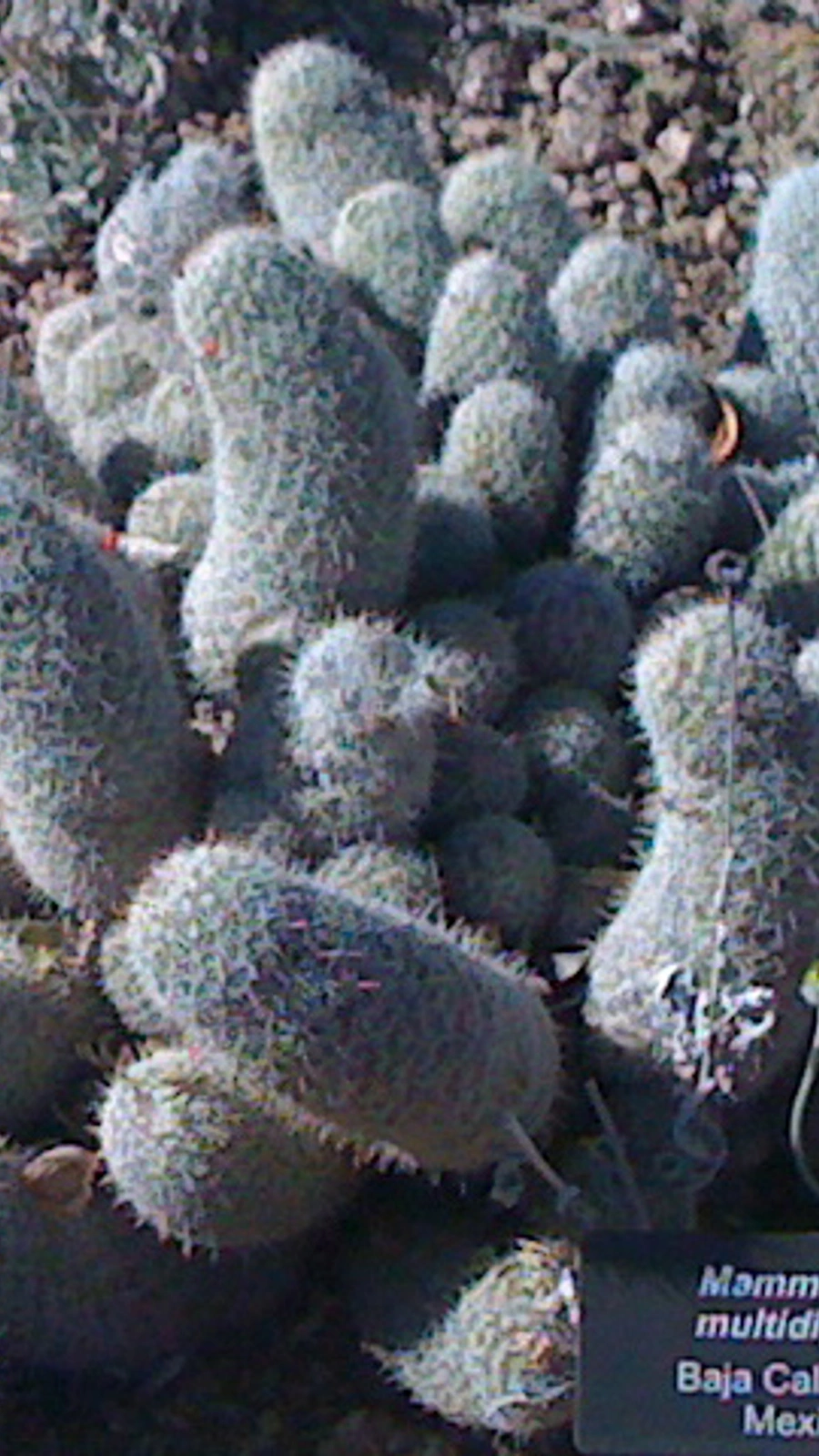 Reference image
Many-fingered Cochemiea
Cochemiea multidigitata (formerly known as Mammillaria multidigitata) is a highly specialized, clump-forming cactus species endemic to Mexico. Known for its distinct "finger-like" clustering growth habit, it is a highly sought-after specimen among succulent collectors and botanists alike due to its rare wild status and unique structural form.
Historically classified under the massive genus Mammillaria, recent phylogenetic assessments have integrated this species into the reinstated genus Cochemiea 1. The specific epithet "multidigitata" translates from Latin to "many-fingered," directly referencing its tendency to produce numerous cylindrical branches from the base, forming a dense, multi-headed clump 2.
This species is micro-endemic to San Pedro Nolasco Island, located in the Gulf of California, Sonora, Mexico 1. It thrives on steep, rocky volcanic slopes and gravelly terrain within a dry desert shrubland biome. The coastal winds and high solar radiation of its island habitat dictate its evolutionary adaptations, including dense spination and a deep root system.
Cochemiea multidigitata features cylindrical, pale green stems that reach 5 to 20 cm in length. The stems are heavily covered in white radials and central spines ranging from yellow to reddish-brown. During late spring and summer, it produces small, funnel-shaped flowers, typically cream-white to pale yellow, near the upper areoles, followed by small red fruits.
In cultivation, it requires an extremely porous mineral-based potting substrate to mimic its native volcanic slopes. Watering should follow a strict soak-and-dry method during the growing season, while keeping the plant completely dry during winter. Bright indirect light or filtered sun is crucial to maintain its compact growth form and bright spination.
Overwatering is the primary cause of failure, quickly leading to root and stem rot. Grown in low-light conditions, the stems will suffer from etiolation, losing their robust finger-like shape and dense spine cover.
Requires bright indirect light or filtered sun; avoid scorching midday summer rays.
Water only when the substrate is completely dry. Keep dry in winter.
Thrives in heavily gritty, inorganic soil with pumice, lava rock, and coarse sand.
Spines are sharp and dense; handle with care and keep away from pets.
Moderate difficulty due to moisture sensitivity; suited for experienced growers.
Endemic to the steep, arid, and rocky volcanic slopes of San Pedro Nolasco Island, a small landmass situated in the Gulf of California, Sonora, Mexico.
