
Light
Bright Indirect Light
Prefers bright, indirect light or morning sun. Protect from intense mid-day summer sun.
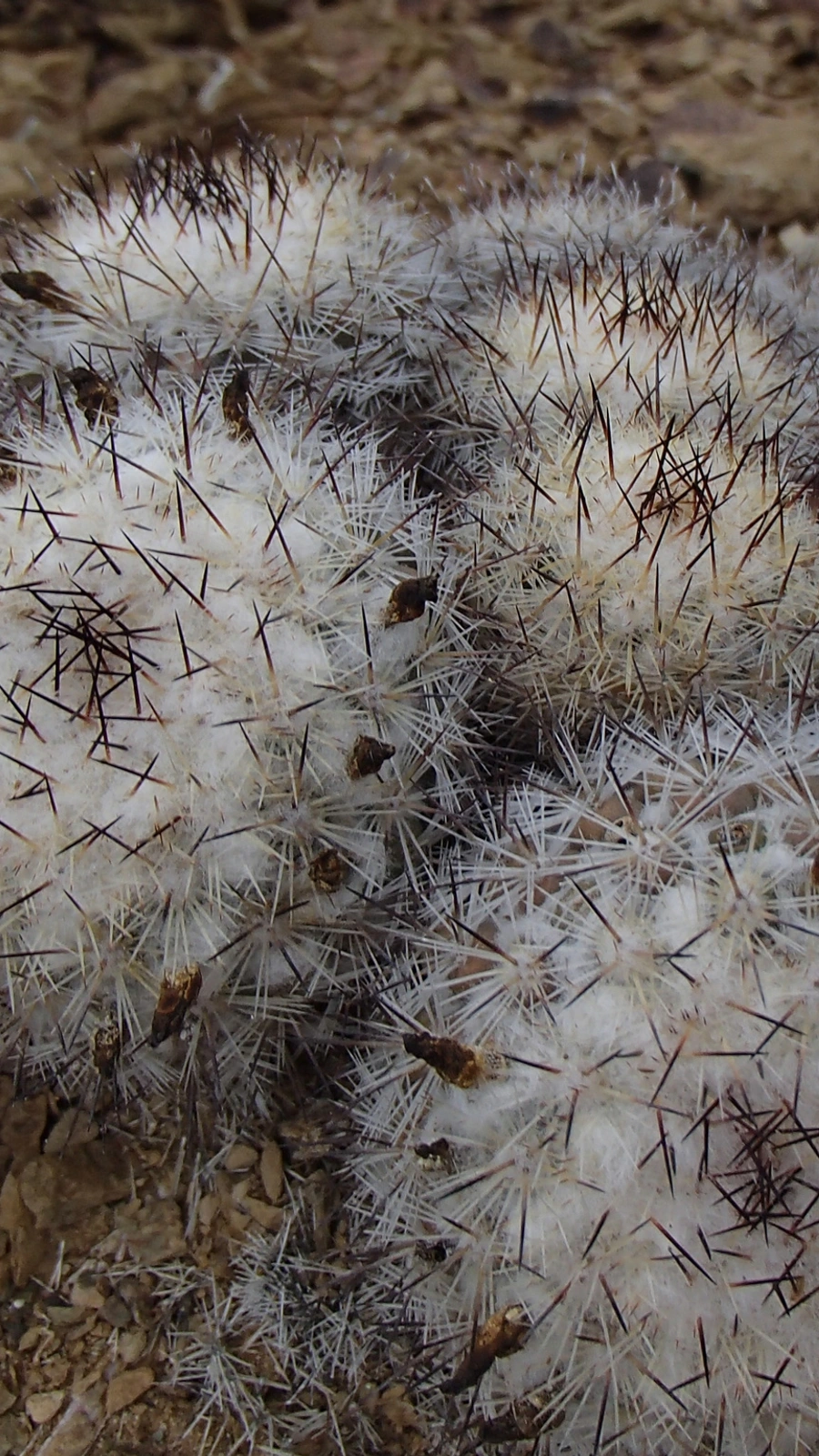 Reference image
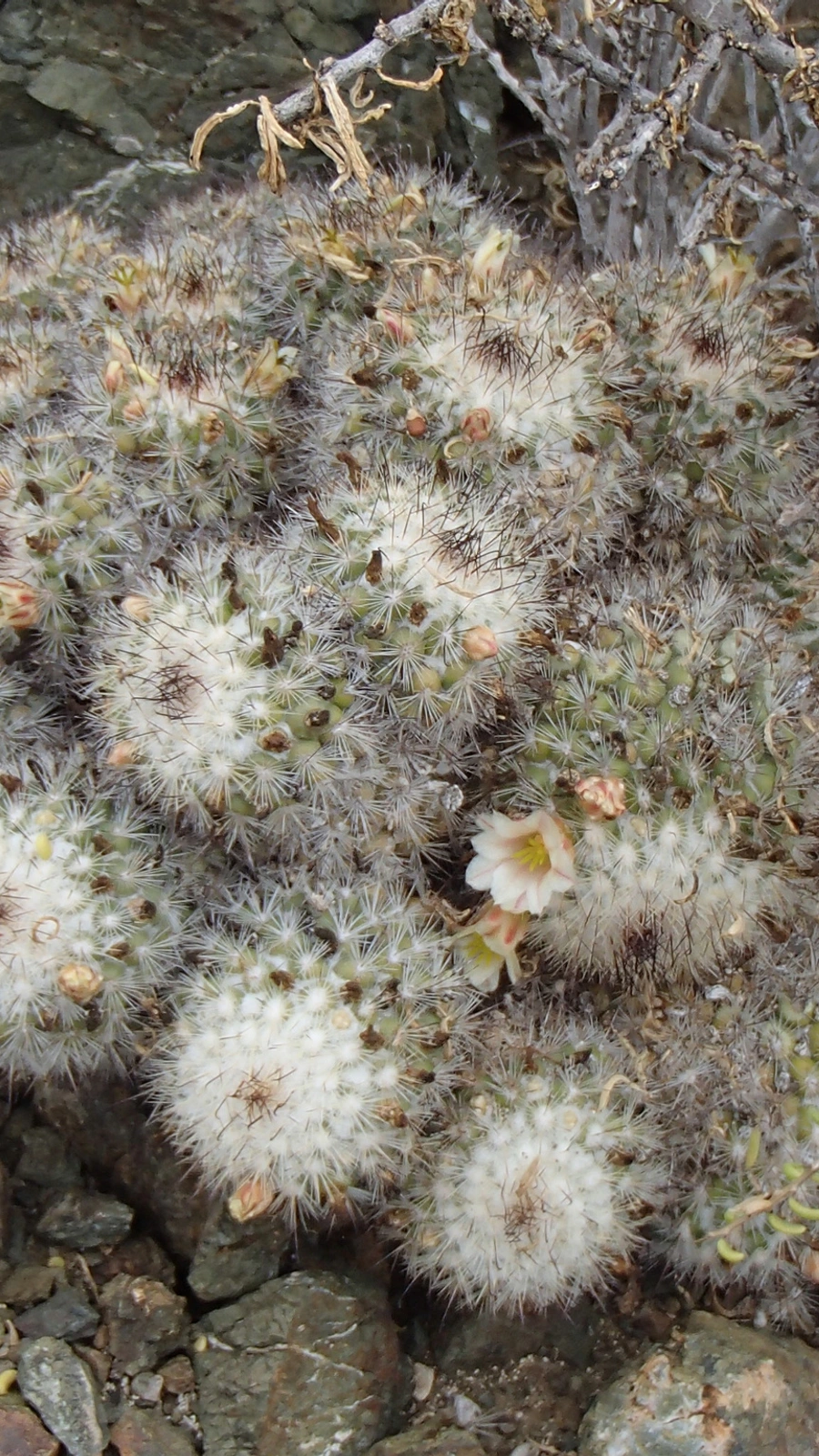 Reference image
Palmer's Cochemiea
Cochemiea palmeri is a small, clump-forming succulent cactus native to the arid desert regions of northwestern Mexico 1. Formerly classified under the genus Mammillaria, recent taxonomic revisions based on phylogenetic data have reinstated it into the genus Cochemiea. It is highly valued by succulent enthusiasts for its intricate hooked spines and delicate flowers.
Originally described as Mammillaria palmeri, the species was moved to Cochemiea following detailed molecular and morphological studies 2. The genus Cochemiea is characterized by unique floral structures and geographic distribution. The specific epithet honors Edward Palmer, a prominent 19th-century botanical collector.
This species is native to Mexico, specifically the Baja California peninsula, Sonora, and Sinaloa 1. It thrives in desert and dry shrubland biomes, growing on rocky hillsides, gravelly flats, and coastal cliffs. It has adapted to withstand intense sunlight and prolonged periods of drought.
Cochemiea palmeri forms small clusters of globose to cylindrical stems. The plant body is covered in distinct tubercles. Radial spines are usually fine and white, while the central spines are longer, stronger, and typically hooked. The small, funnel-shaped flowers are creamy-yellow to light pink and appear in late spring.
In cultivation, Cochemiea palmeri requires a very porous, gritty potting medium. It thrives in bright, indirect sunlight or light shade in extremely hot climates. Watering should be done thoroughly but only when the soil is completely dry. Keep dry and cool during winter dormancy to promote healthy spring blooming 2.
Overwatering is the primary cause of failure, quickly leading to root and stem rot. Using heavy, peat-rich soils that retain moisture for too long will damage the root system. Lack of direct light can cause the stems to etiolate.
Prefers bright, indirect light or morning sun. Protect from intense mid-day summer sun.
Allow soil to dry out 100% between waterings. Reduce watering to a minimum in winter.
Use a specialized cactus mix with high mineral content like pumice, lava rock, and coarse sand.
Non-toxic to pets and humans, but the sharp hooked central spines can cause physical injury.
Very easy to care for, making it excellent for beginners who tend to underwater their plants.
Naturally distributed across northwestern Mexico, including the Baja California Peninsula, Sonora, and Sinaloa, where it inhabits rocky desert terrains and dry coastal shrublands.
