
Light
Bright Indirect Light
Requires bright, indirect sunlight or filtered sun with some direct morning light.
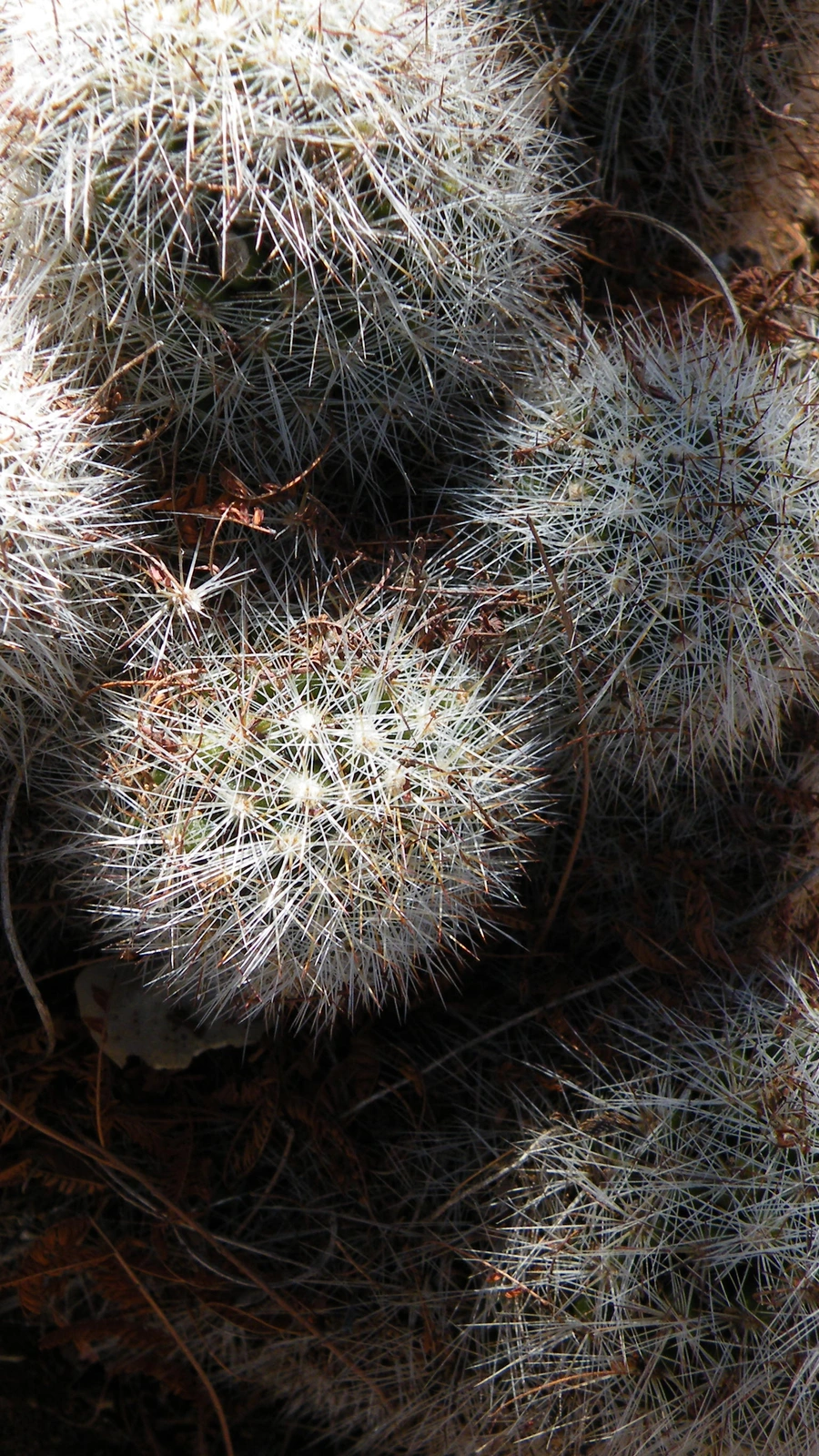 Reference image
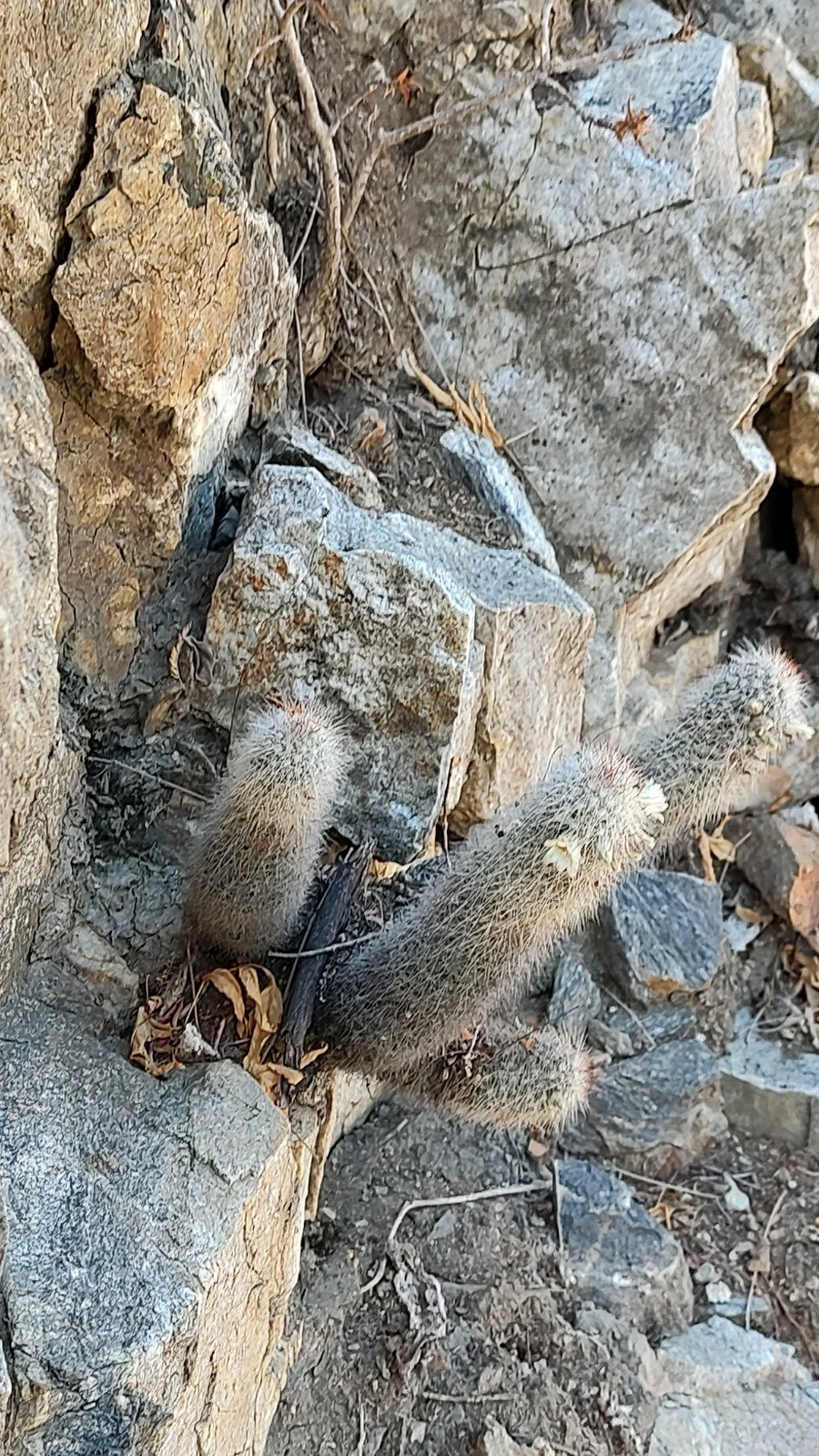 Reference image
Phi Tau Cochemiea
Cochemiea phitauiana is a perennial succulent subshrub belonging to the Cactaceae (Cactus) family. It typically forms clusters by branching from the base, producing cylindrical stems. Exceptionally adapted to arid desert conditions, this species is highly valued by collectors for its unique hook-spined appearance and delicate blossoms 1.
Originally described as Mammillaria phitauiana, modern molecular and morphological studies have reassigned the species to the resurrected genus Cochemiea 2. The specific epithet "phitauiana" honors the Phi Tau academic fraternity, associated with early botanical expeditions in the region.
Endemic to the southern part of Baja California, Mexico, this cactus thrives on gravelly slopes, granitic rock crevices, and within dry desert scrublands 1. It is well adapted to nutrient-poor, highly porous soils in arid zones.
The stems are cylindrical, reaching heights of 10 to 25 cm and a diameter of about 3 to 5 cm. Areoles are packed with grayish-white or pale yellowish radial spines, with one or more central spines bearing a distinct hook shape. The flowers are creamy white to very pale yellow, forming a ring near the stem tips in late spring.
It requires abundant bright, indirect sunlight with protection from the harshest afternoon sun in summer. Water only when the potting medium has dried out completely. During its winter dormancy, watering should be suspended almost entirely 2.
Overwatering is the most common pitfall. Planting in heavy, clay-rich soil or pots without drainage holes rapidly leads to root rot. Insufficient light exposure causes the stems to stretch thin and weaken (etiolation).
Requires bright, indirect sunlight or filtered sun with some direct morning light.
Water only when the substrate is completely dry. Keep dry in winter.
Use a highly mineral, fast-draining cactus mix rich in pumice and coarse sand.
Features hooked spines that can snag skin or clothes. Non-toxic but handle with care.
Moderate care level, requiring strict watering control and proper soil ventilation.
Native to the dry, rocky terrains and granitic slopes of the southern Baja California peninsula in Mexico, thriving in typical desert scrub ecosystems.
