
Light
Direct Sun
Requires full sun or very bright direct light to maintain spine density and promote blooming.
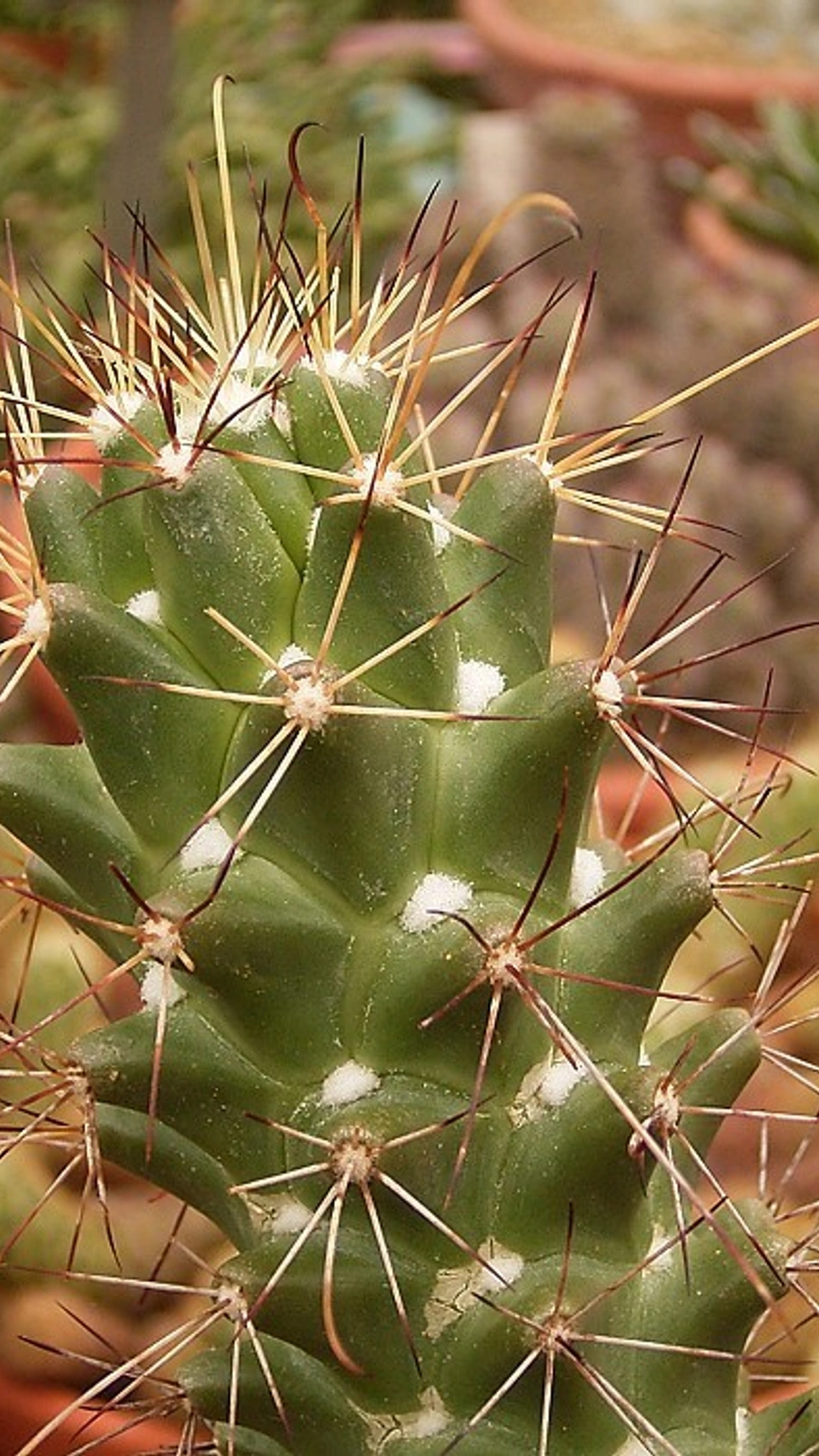 Reference image
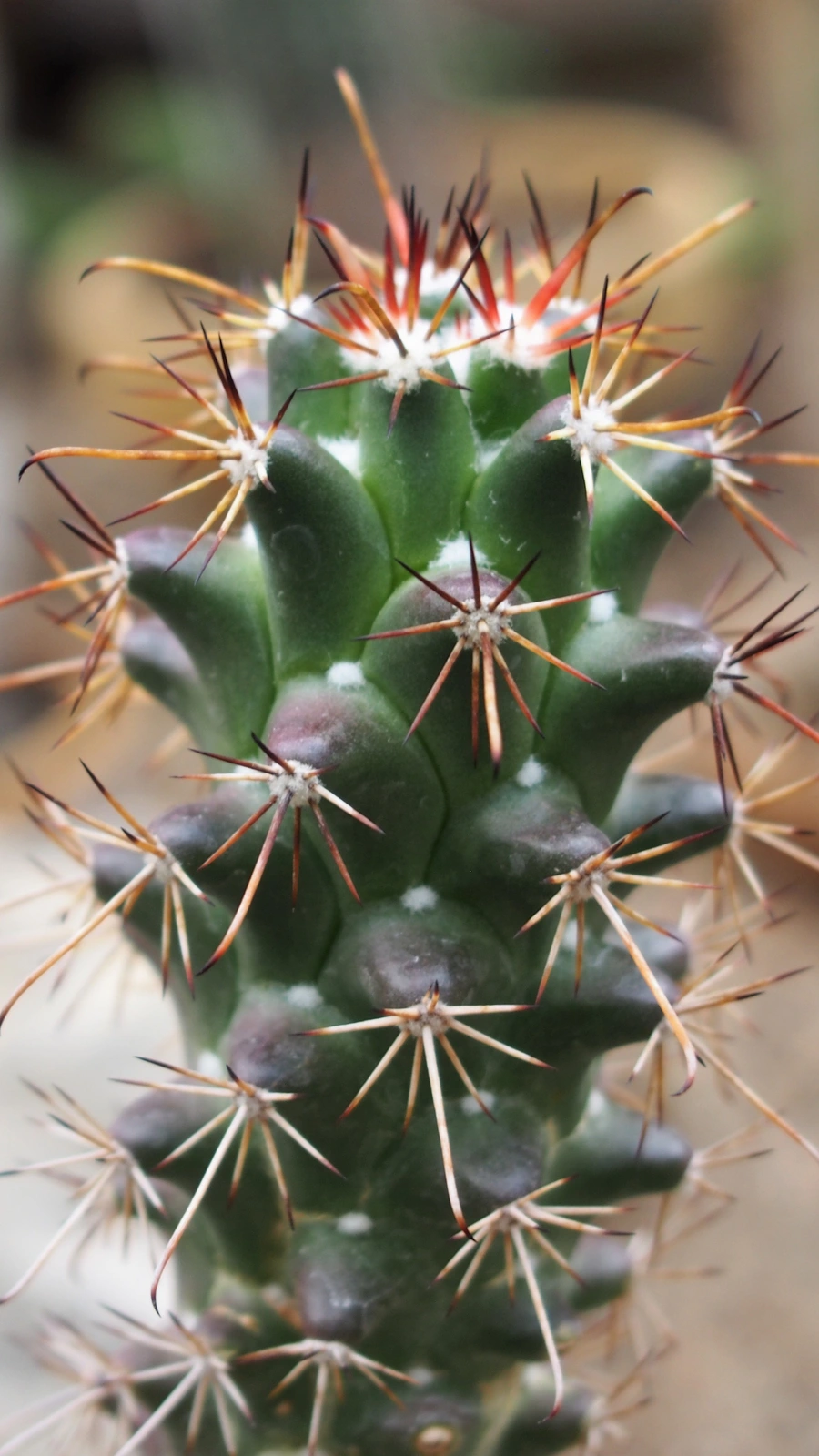 Reference image
Poselger's Cochemiea
Cochemiea poselgeri is a striking, decumbent to semi-erect succulent subshrub in the family Cactaceae. Endemic to the arid landscapes of the Baja California peninsula in Mexico, this species is highly valued for its long, cylindrical stems and showy, bird-pollinated red flowers 1.
Originally described by Karl Schumann in 1885 as Mammillaria poselgeri, modern molecular studies have reinstated it into the distinct genus Cochemiea 2. The genus name honors the indigenous Cochimi people of Baja California, while the species epithet poselgeri commemorates the German botanist and cactus collector Heinrich Poselger.
This species is native to Baja California Sur, Mexico. It typically thrives in gravelly soils, rocky slopes, and desert scrublands at lower elevations. It is well-adapted to extremely arid conditions, growing alongside other desert succulents 1.
The stems are light green, cylindrical, and can reach up to 2 meters in length, branching from the base to form large clumps. The areoles bear central spines that are characteristically hooked at the tip, serving as a defense mechanism. In late winter and early spring, it produces zygomorphic, tubular, bright red or scarlet flowers that attract pollinators.
In cultivation, Cochemiea poselgeri requires full sun to maintain its compact growth and produce flowers. It must be potted in a highly mineral, gritty substrate with superb drainage. Water deeply only when the soil is completely dry, and keep the plant dry during winter 2.
Overwatering, especially during the cold winter dormancy, is the primary cause of root rot. Lack of sufficient direct sunlight leads to weak, elongated growth (etiolation) and inhibits the development of its beautiful red blooms.
Requires full sun or very bright direct light to maintain spine density and promote blooming.
Soak and dry method. Water only when completely dry, and keep nearly bone dry in winter.
Needs a sandy, gritty cactus soil mix with high mineral content and zero peat if possible.
Features sharp, heavily hooked spines. Keep out of reach of pets and curious children.
Moderate. Easy if kept dry in winter, but highly prone to rot if overwatered.
Endemic to the southern part of the Baja California peninsula in Mexico, growing on coastal plains, rocky hillsides, and gravelly desert soils.
