
Light
Bright Indirect Light
Requires at least 6 hours of bright indirect sunlight or lightly filtered direct sun daily.
 Reference image
 Reference image
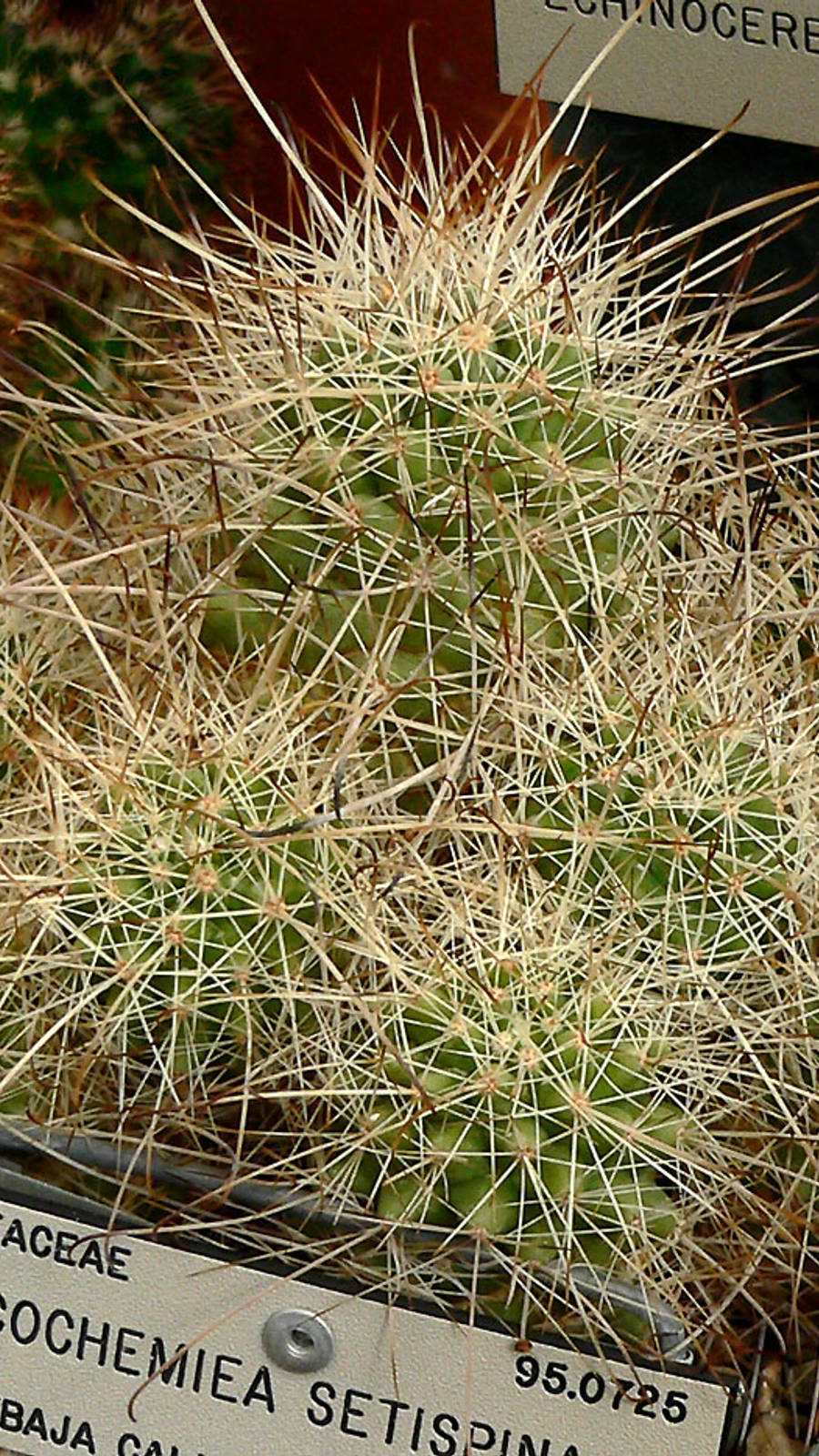
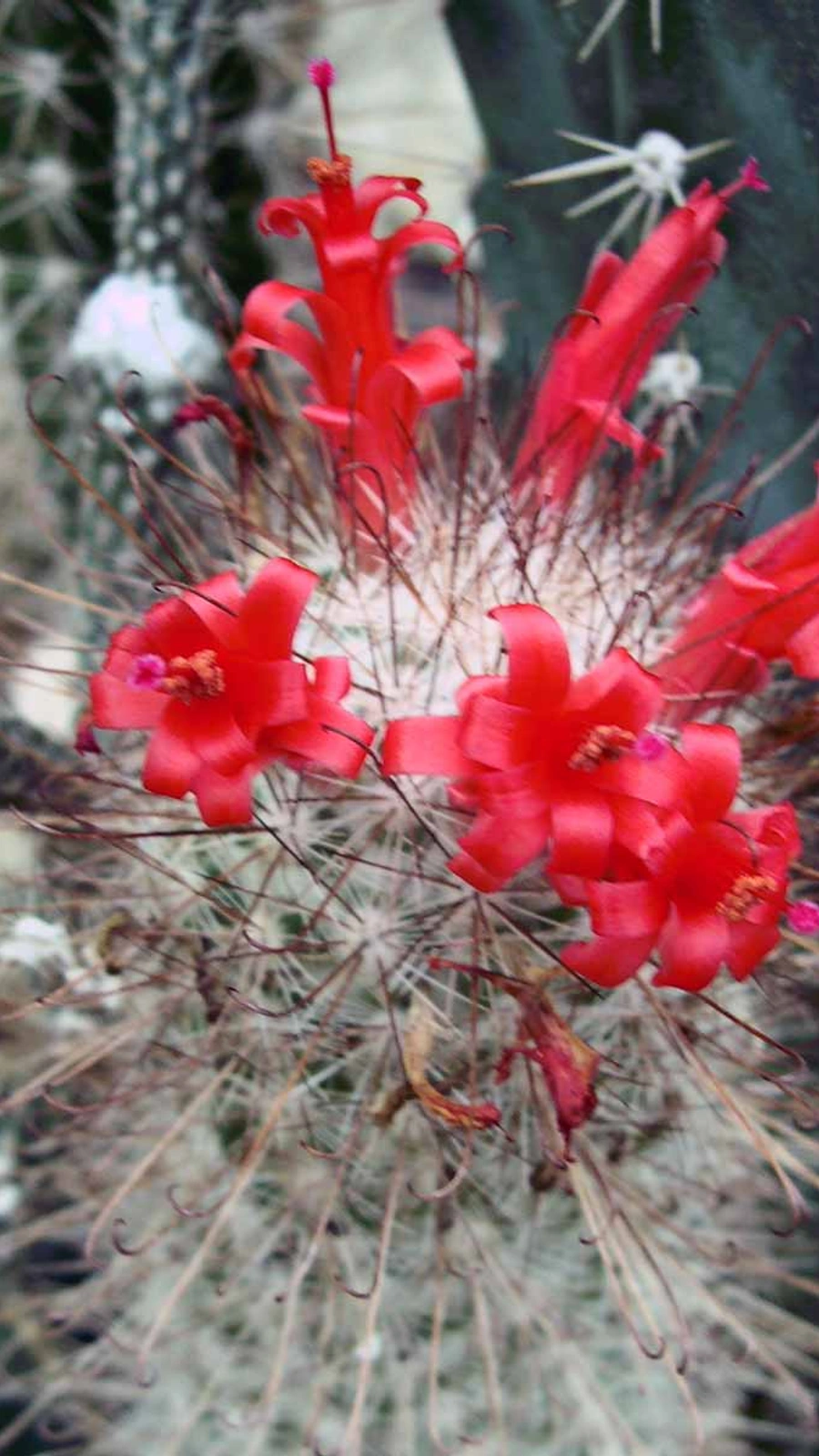
Bristle-Spined Cochemiea
Cochemiea setispina is a distinctive and visually striking member of the Cactaceae family. This succulent subshrub is known for forming multi-stemmed, sprawling colonies in the arid valleys of Baja California. Characterized by its strong hooked spines and tubular scarlet flowers, it is a prized species among cactus collectors and desert landscapers.
Originally classified under the genus Mammillaria as Mammillaria setispina, modern molecular studies have placed this species within the resurrected genus Cochemiea 1. The genus name honors the indigenous Cochimí people of the Baja California peninsula, while the specific epithet 'setispina' translates to 'bristle-spined' in Latin, referencing the characteristic arrangement of its needle-like defensive structures.
Cochemiea setispina is native to Northern Mexico, specifically across Baja California Sur, Baja California, and parts of Sonora 2. It thrives in desert or dry shrubland biomes, frequently anchoring itself in volcanic rock crevices, gravelly slopes, and highly porous, mineral-rich soils.
The plant produces cylindrical stems that branch from the base, reaching up to 30 cm in height and 3-6 cm in diameter. The stems are covered in prominent tubercles, with each areole bearing several white to greyish radial spines and a central, strongly hooked spine. In late spring, it produces elongated, tubular red flowers adapted for hummingbird pollination.
This species requires ample bright indirect light or filtered sun to maintain its compact form and dense spination. It must be potted in a strictly mineral-based soil mix with excellent drainage. Watering should be deep but infrequent, allowing the soil to dry out completely between sessions, and kept to a bare minimum during the winter dormancy.
The most prevalent issue is root rot resulting from overwatering or poorly draining soil. Inadequate light leads to etiolation, where the stems stretch and weaken. Lack of proper ventilation in humid environments can also make the plant susceptible to fungal pathogens.
Requires at least 6 hours of bright indirect sunlight or lightly filtered direct sun daily.
Allow the potting mix to dry completely before watering. Keep nearly dry during winter.
Highly porous, mineral-based cactus mix containing pumice, coarse sand, and perlite.
Spines are extremely sharp and hooked; handle with heavy gloves. Keep away from pets and children. Non-toxic.
Moderately easy if watering is strictly controlled and high-light requirements are met.
Occurs naturally along the rocky slopes and volcanic soils of the Baja California peninsula and the arid regions of Sonora, Mexico.
