
Light
Direct Sun
Requires full, direct sun for at least 6 hours daily to maintain strong spines and produce flowers.
 Reference image
 Reference image
Thomas' Cochemiea
Cochemiea thomasii is a distinctive and highly sought-after succulent subshrub in the Cactaceae family. Originating from arid desert regions, this plant has adapted to withstand extreme conditions, making it an excellent specimen for dedicated cactus collectors and arid greenhouse cultivation 1.
Classified under the genus Cochemiea, this species reflects modern taxonomic shifts where several previous Mammillaria species with tubular flowers were moved to Cochemiea based on phylogenetic studies 2. It is distinguished by its unique floral morphology and growth habit.
This species is native to northwestern Mexico, particularly within the states of Baja California, Sonora, and Sinaloa 3. It thrives in desert or dry shrubland biomes, growing on rocky hillsides, alluvial plains, and within mineral-rich, highly porous soil pockets.
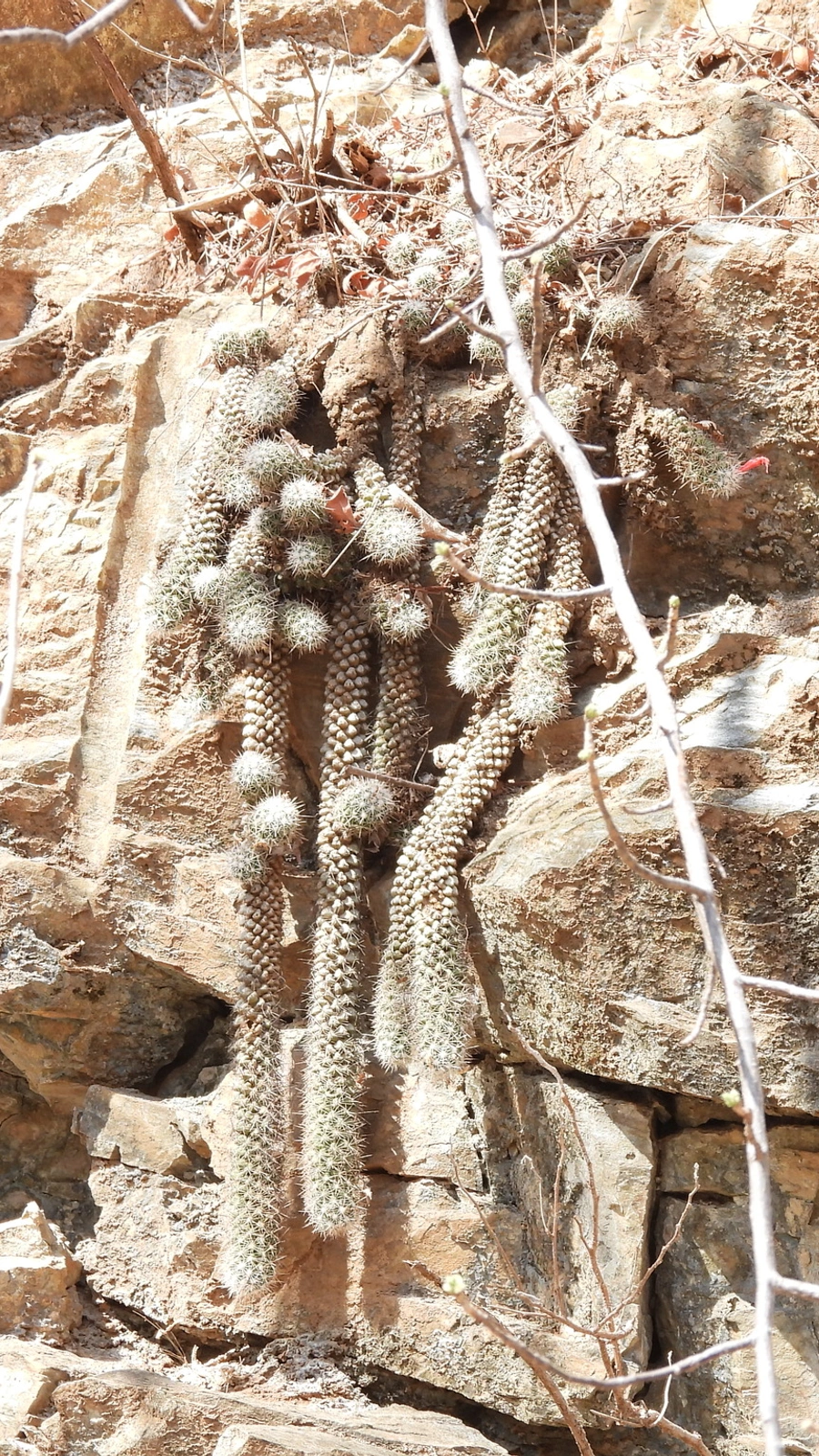
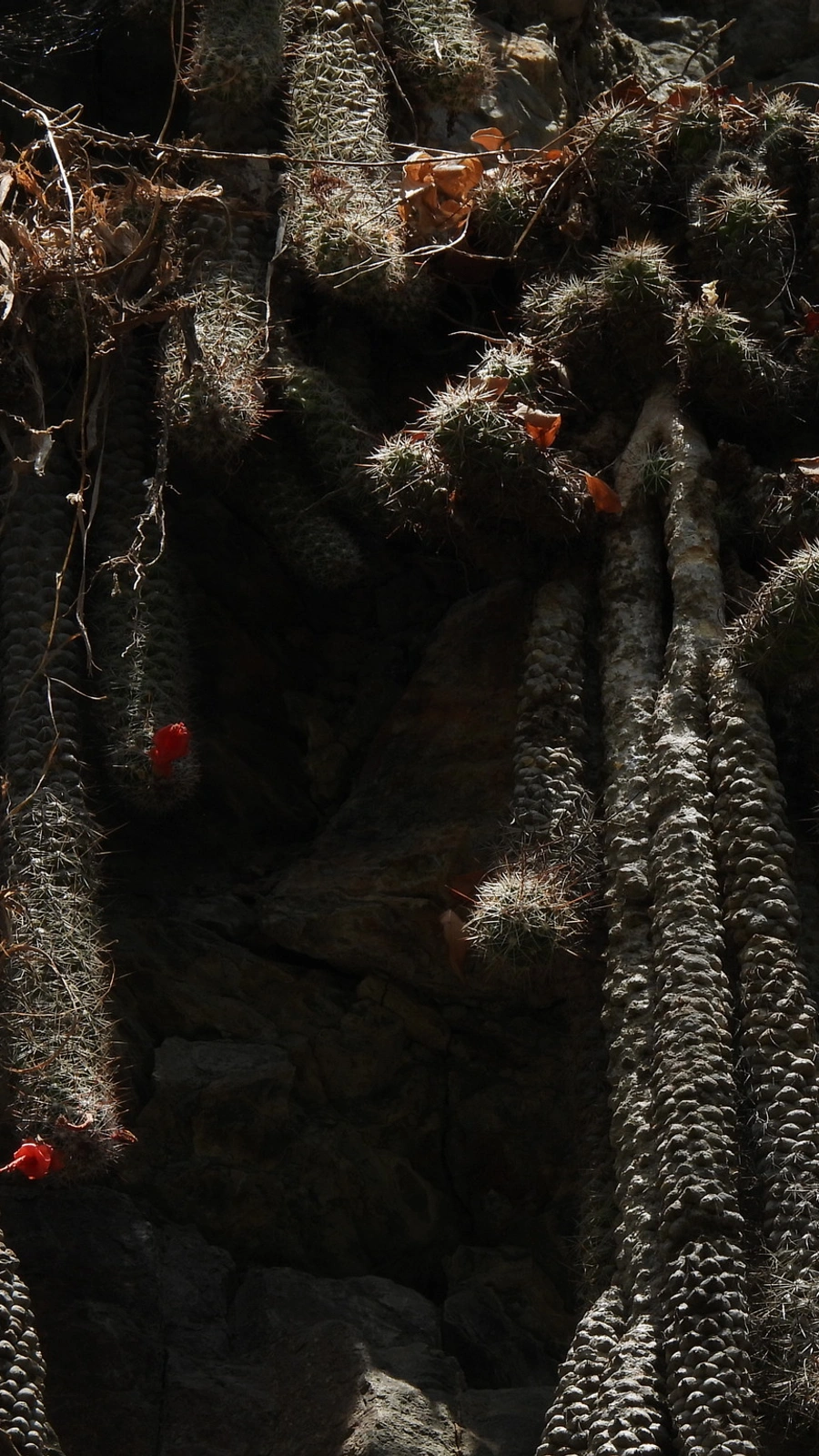
Cochemiea thomasii exhibits cylindrical, sometimes branching stems that form tight clusters over time. The stems are covered in prominent tubercles from which sharp, slightly hooked central spines emerge. During the blooming season, it produces striking, tubular flowers—typically in shades of red or dark pink—designed to attract specific pollinators such as hummingbirds.
In cultivation, mimicking its harsh native desert environment is crucial for success. It demands maximum sunlight and exceptional drainage. Watering should be deep but infrequent during the active growing season, and suspended during winter dormancy.
The most prevalent issue is root rot, caused by heavy clay soils or overwatering in low-temperature periods. Lack of sufficient direct sunlight leads to weak, elongated growth and a loss of its natural dense spine configuration.
Requires full, direct sun for at least 6 hours daily to maintain strong spines and produce flowers.
Allow the potting substrate to dry out entirely between waterings. Avoid watering in winter.
Must be planted in a highly porous, gritty mix consisting of pumice, perlite, and coarse sand.
Equipped with sharp, hooked spines that can catch easily. Handle with heavy-duty gardening gloves.
Moderately easy for growers who can provide intense light and practice strict watering discipline.
Found natively across the coastal deserts and rocky slopes of northwestern Mexico, thriving in highly mineralized soils.
