
Light
Full Sun
Requires full sun and direct light; insufficient light leads to thin, weak growth.
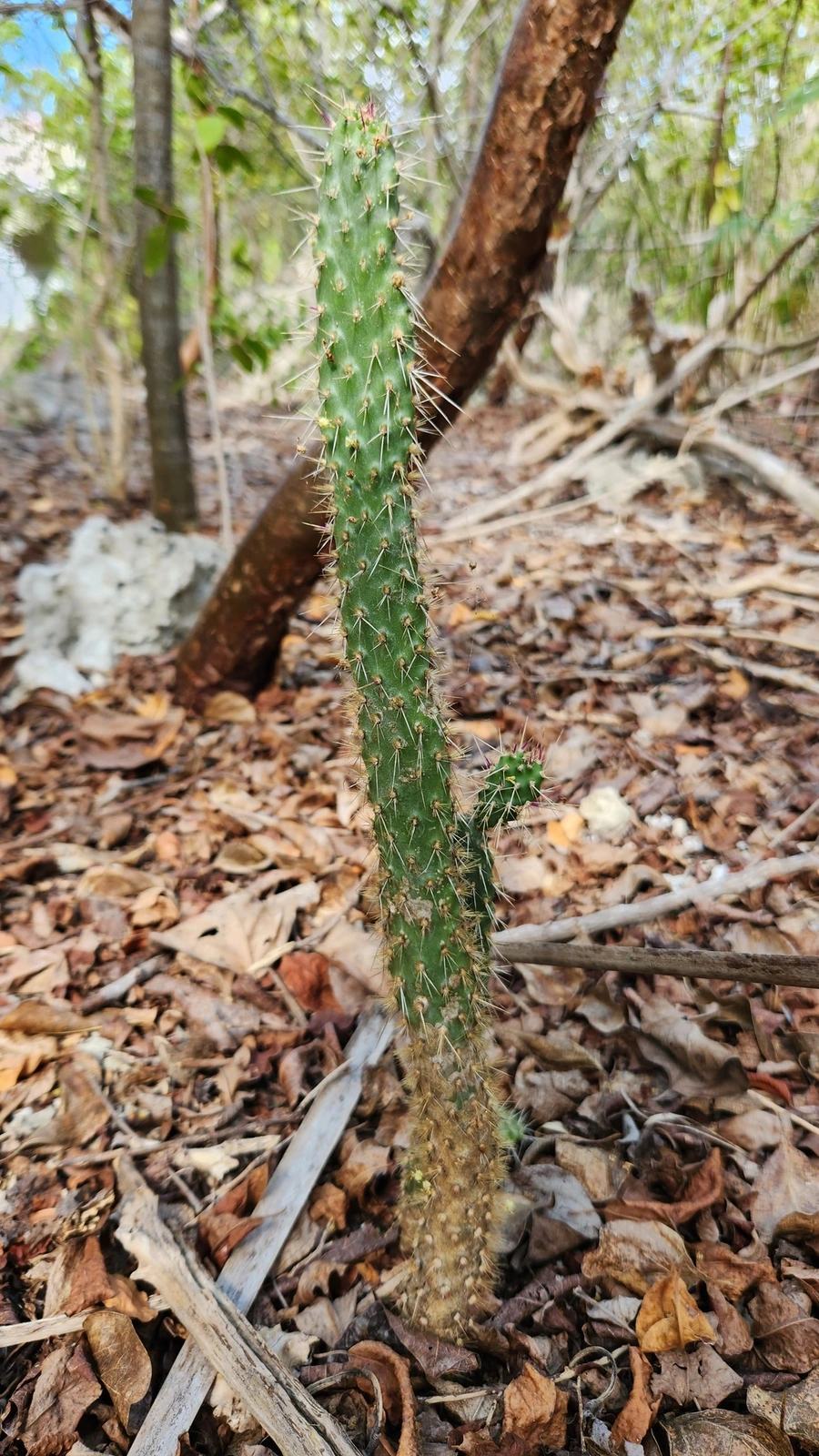 Reference image
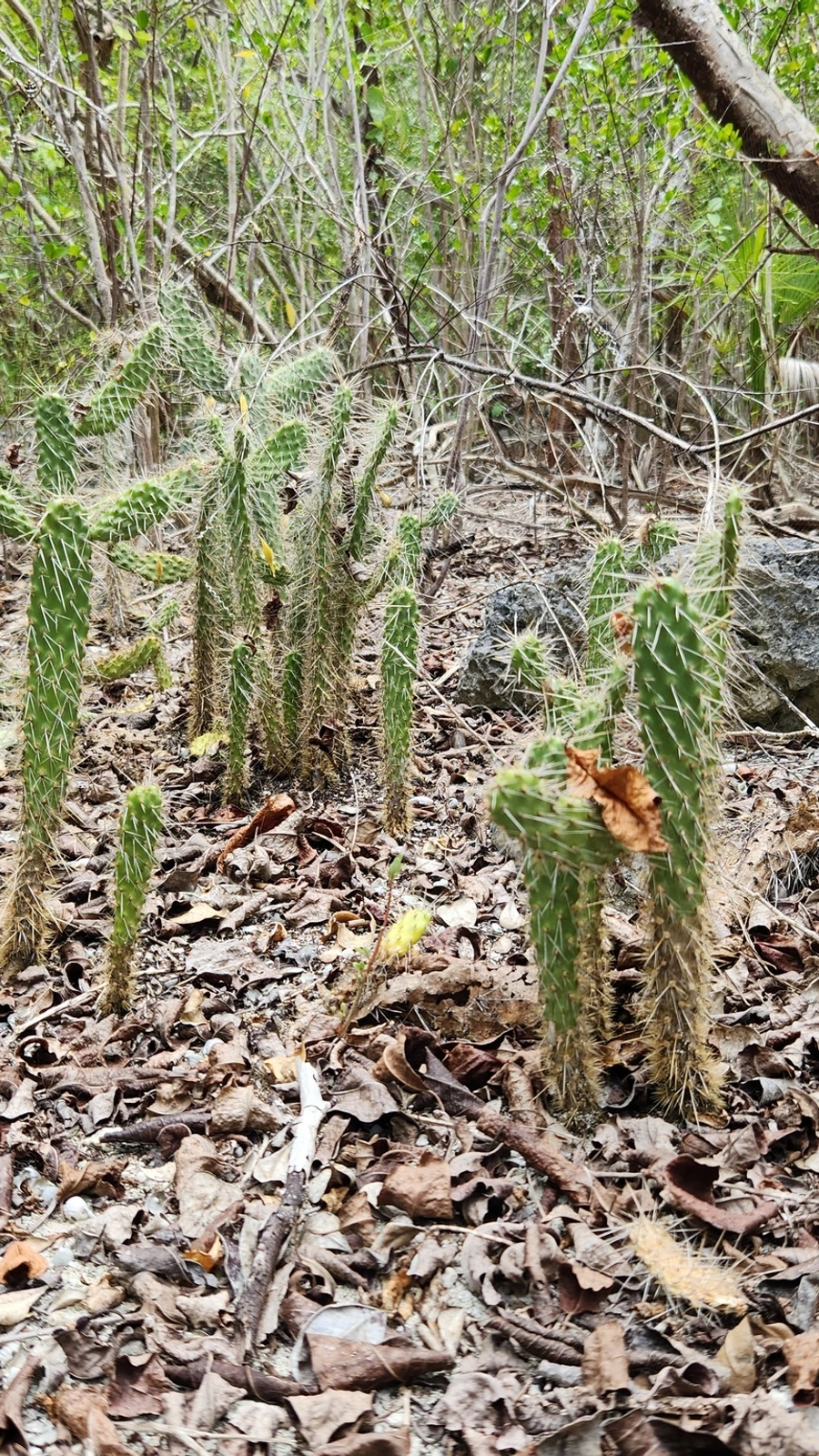 Reference image
Millspaugh's Tree Cactus
Consolea millspaughii is a rare, tree-like succulent species belonging to the Cactaceae (Cactus) family. Native to the arid coastal regions of the Caribbean, this species is highly distinguished by its tree-like growth habit and flattened green stem segments 1.
The species was named in honor of the American botanist Charles Frederick Millspaugh. While the genus Consolea is closely allied with Opuntia (prickly pears), it is taxonomically separated by its distinct, single-trunk tree architecture and floral characteristics 2.
Its native range encompasses the Bahamas, Cuba, Cayman Islands, and parts of the Caribbean basin. It thrives in seasonally dry tropical biomes, coastal scrublands, and limestone-heavy soils 1. Due to habitat loss and restricted distribution, it is currently assessed as Critically Endangered (CR).
This cactus grows as a small tree or shrub, reaching heights of 2 to 4 meters. The primary trunk is cylindrical, highly woody over time, and armed with clusters of sharp spines. The upper branches consist of bright green, flattened, paddle-like cladodes. It produces small, bright yellow to reddish flowers 2.
Consolea millspaughii requires full, unfiltered sunlight to maintain its structural integrity and prevent etiolation. It demands a highly porous substrate and should only be watered when the soil has completely dried out. Winter watering should be drastically reduced.
Overwatering is the most critical mistake, rapidly causing root and stem rot. Placing the plant in low-light conditions results in weak, elongated, and pale growth. It also lacks frost tolerance and must be protected from freezing temperatures.
Requires full sun and direct light; insufficient light leads to thin, weak growth.
Allow soil to dry out completely between waterings. Reduce watering to a minimum in winter.
Needs mineral-heavy, porous soil mixed with pumice, perlite, and coarse sand.
Equipped with sharp spines and irritating glochids; keep out of reach of children and pets.
Moderately easy if you strictly avoid overwatering and provide abundant sunlight.
Native to the Bahamas, Cuba, Cayman Islands, and adjacent dry Caribbean regions, where it grows in dry coastal forests and rocky limestone terraces.
