
Light
Full Sun
Requires full, direct sun all year round to prevent leggy growth.
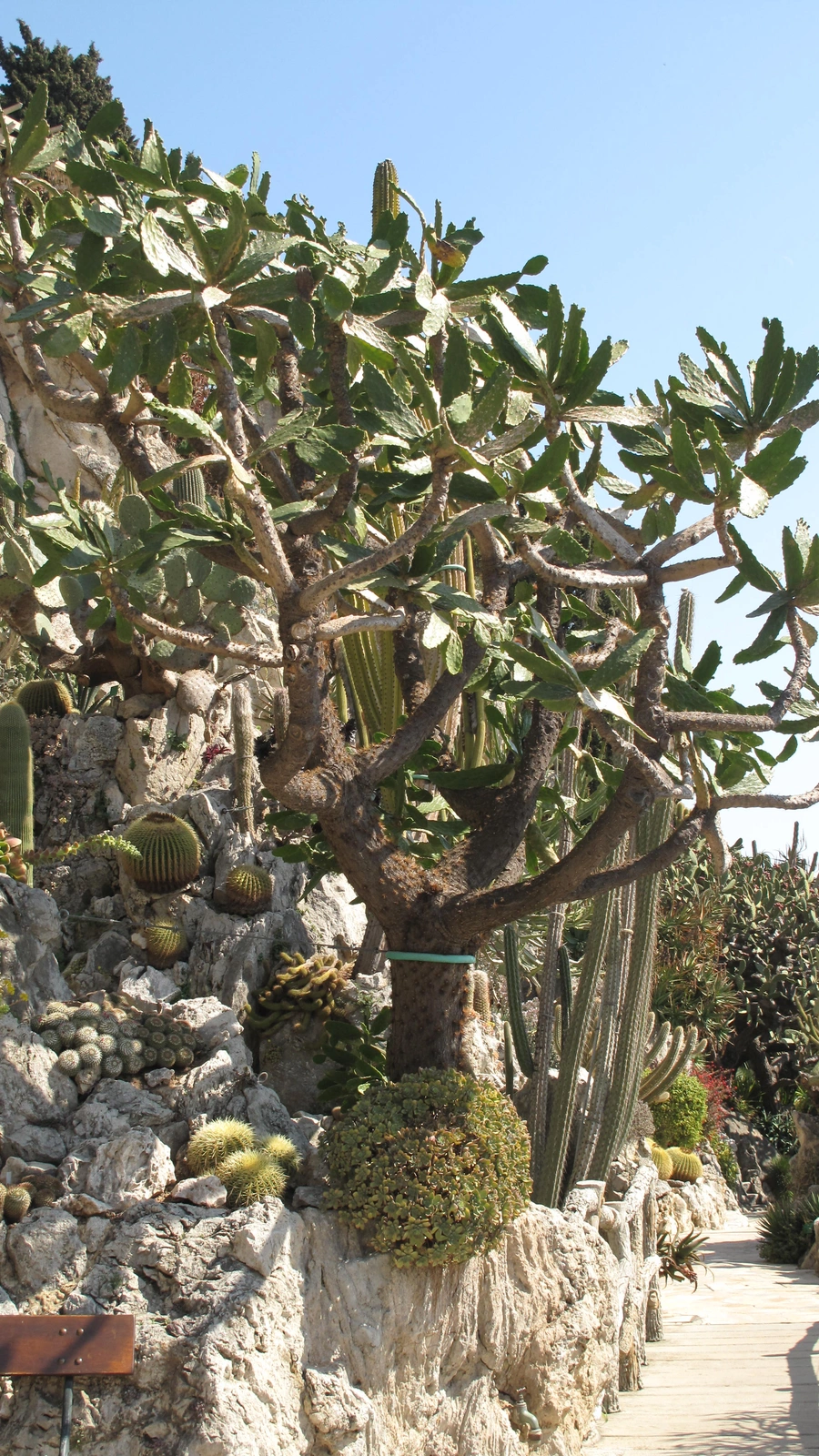 Reference image
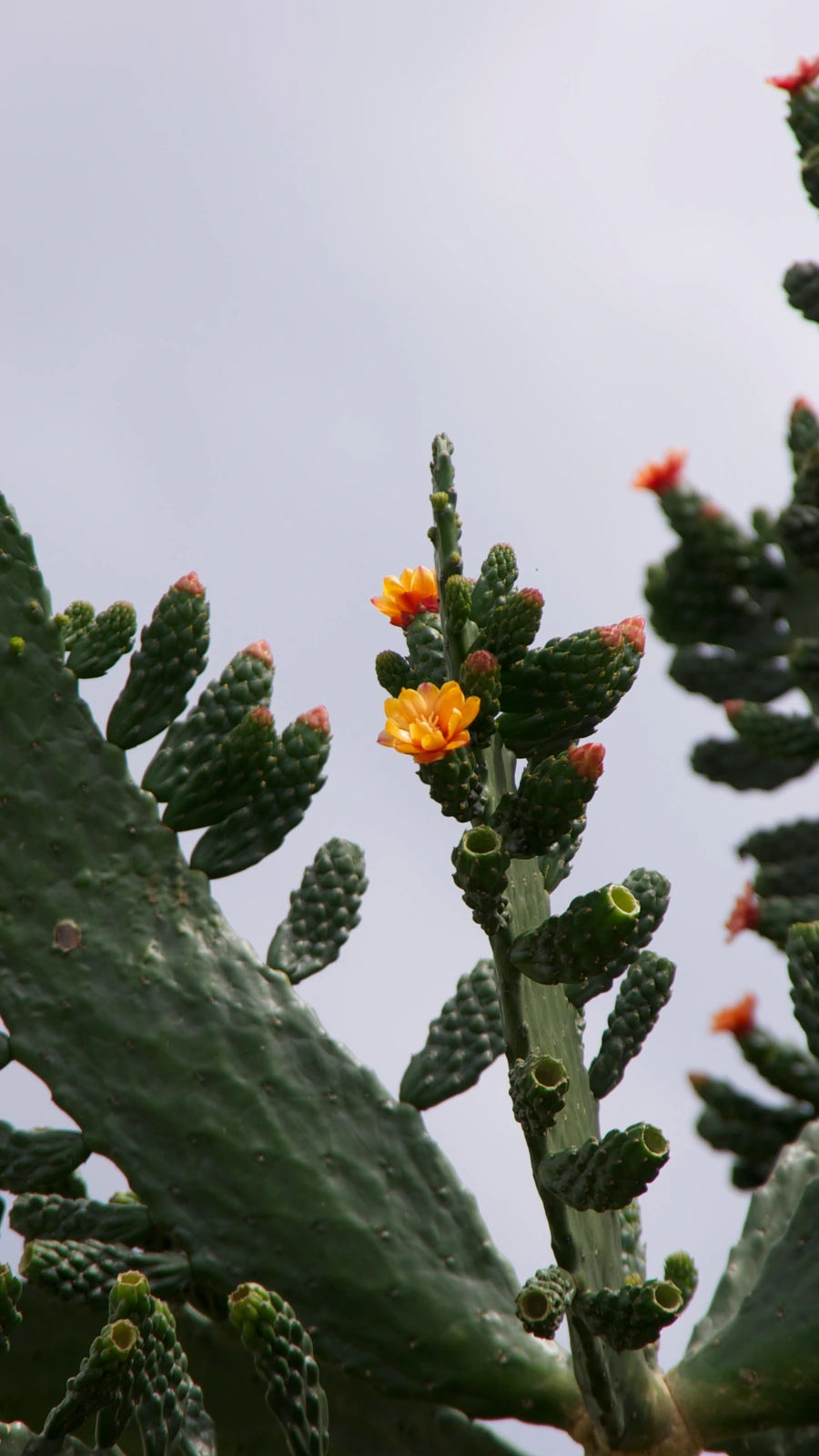 Reference image
Hispaniola Tree Cactus
Consolea picardae is an extremely rare and magnificent tree-like succulent species belonging to the family Cactaceae. Native to the arid scrublands of the Caribbean, this species is characterized by its upright, cylindrical main trunk and flattened branch segments (cladodes) branching out in a fan-like habit.
The genus Consolea is closely allied to Opuntia but distinguished by its distinct arborescent growth form with a single dominant trunk 1. The specific epithet honors Louis Richard Picarda, an important botanical collector in Hispaniola.
This species is strictly endemic to the island of Hispaniola, shared by Haiti and the Dominican Republic 2. It thrives in seasonally dry tropical forests, rocky limestone slopes, and coastal scrub ecosystems. Due to intense habitat destruction and pressure from grazing animals, it is currently listed as Critically Endangered (CR) on the IUCN Red List.
In the wild, Consolea picardae grows as a succulent tree reaching heights of 3 to 5 meters. The main trunk becomes woody and brown with age, while the younger cladodes are jointed, fleshy, and bright green. The areoles are sparsely distributed, containing short spines and glochids. It produces bright yellow, orange, or reddish flowers near the margins of terminal segments.
Cultivating Consolea picardae requires mimicking its hot, dry tropical habitat. It demands maximum sunlight, low humidity, and a highly porous growing medium. Watering should be deep but infrequent.
The most prevalent failure is root rot caused by overwatering or soil that retains moisture. Placing the plant in low-light conditions will lead to weak, stretched, and etiolated growth.
Requires full, direct sun all year round to prevent leggy growth.
Water only when the substrate is fully dry. Reduce watering to a minimum during winter.
Requires a highly porous, mineral-heavy soil mix with plenty of pumice and sand.
Features small, irritating glochids. Place out of reach of children and pets.
Moderate. It is highly drought-tolerant but extremely sensitive to overwatering and lack of sun.
Endemic to the island of Hispaniola, this rare cactus grows on rocky, limestone-rich soils in coastal areas and seasonally dry tropical scrub forests under high temperatures.
