
Copiapoa desertorum

Desert Copiapoa

Overview

Copiapoa desertorum is a slow-growing, perennial succulent subshrub in the family Cactaceae, highly adapted to the extreme arid conditions of the Atacama Desert.

Classification and Naming

Scientifically described within the genus Copiapoa, its specific epithet "desertorum" derives from Latin, meaning "of the deserts," highlighting its survival in one of the driest places on Earth 1.

Distribution and Habitat

This species is endemic to northern Chile, specifically the Atacama and Antofagasta regions, spanning coastal hills near Taltal 2. It thrives in gravelly, rocky desert soils where rain is virtually non-existent, depending heavily on coastal fog (Camanchaca) for moisture.

Appearance

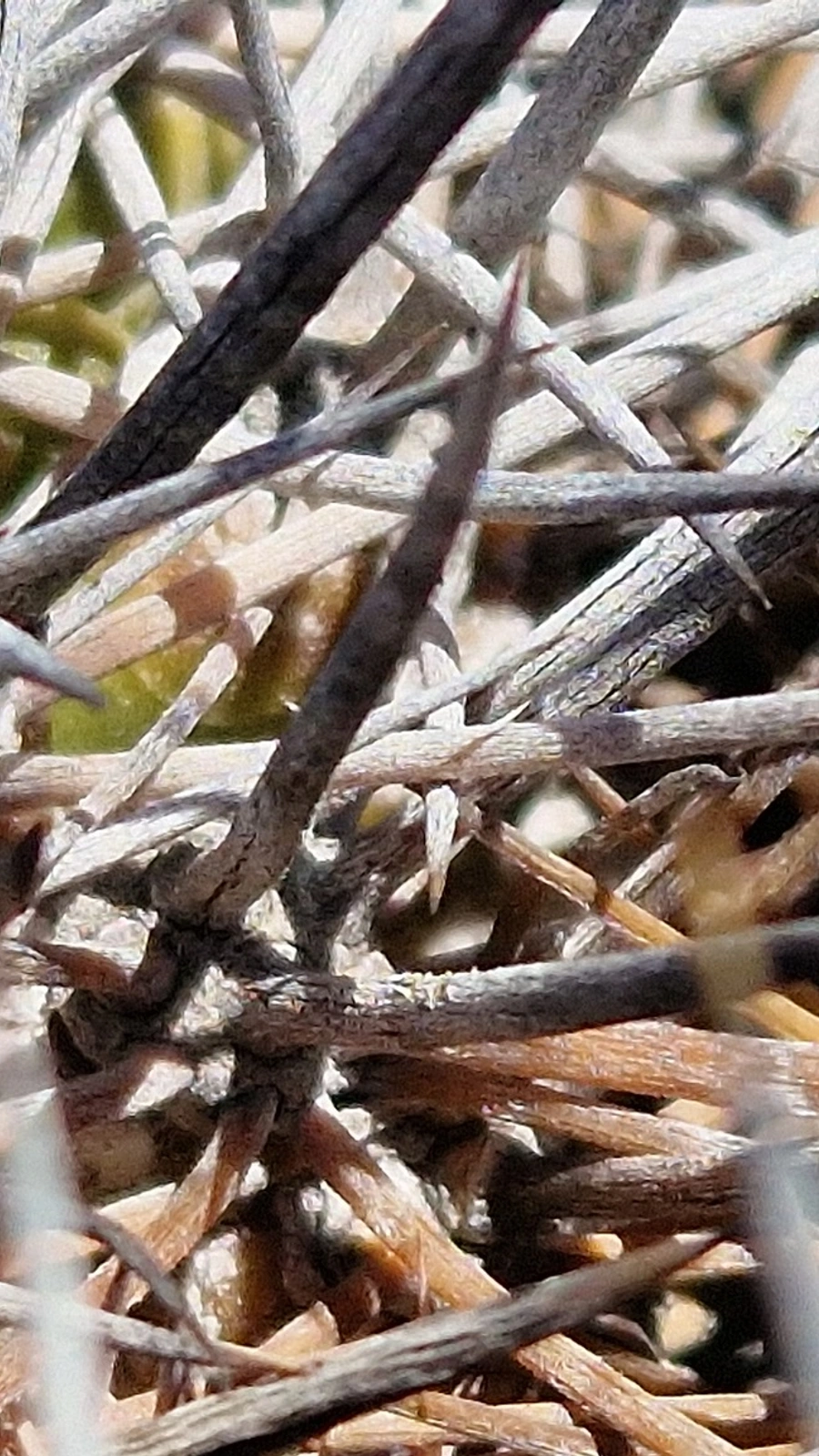
It forms subglobose to cylindrical stems that offset from the base to create dense clumps. The epidermis is grayish-green to dark bronze, covered with sharp, dark-colored spines. Bright yellow flowers emerge from the woolly crown in summer.

Cultivation

In cultivation, it requires maximum sunlight and an exclusively mineral-based substrate. It is highly susceptible to root rot if kept wet, requiring dry conditions during its winter dormancy.

Common Mistakes

Overwatering and low-light conditions are the primary causes of failure, leading to root rot and unnatural, stretched growth (etiolation).

Bibliography

References

  1. Anderson, E. F. (2001). The Cactus Family. Timber Press.
  2. IUCN Red List. Copiapoa desertorum species assessment.
Light

Full Sun

Requires full sun; lack of light leads to etiolation.
Watering

14-45 Days

Water only when the substrate is fully dry. Keep completely dry in winter.

Soil

Highly drained, pumice and sand-heavy mineral mix

Highly mineral substrate rich in pumice, grit, and coarse sand.

Safety

Pet Friendly

Non-toxic, but sharp spines require careful handling.

Difficulty

Moderate

Moderate difficulty; requires strict watering control.

Native Habitat

Chile (Atacama and Antofagasta)

Native to the rocky, coastal slopes of the Atacama Desert in Chile, surviving primarily on the moisture brought by dense morning fogs.

Frequently Asked Questions

Can Copiapoa desertorum be grown indoors?
Yes, but it must be placed in a south-facing window with direct sunlight all day and excellent air circulation.
How often should I water it?
Water only when the soil is completely dry in summer (about every 14 days). Keep completely dry in winter.
What soil mix should be used?
Instead of peaty soils, use an 80% mineral-based mix containing pumice, lava rock, and coarse sand.
Is Copiapoa desertorum toxic to pets?
It is non-toxic, but its sharp, rigid spines pose a physical injury hazard to curious pets.
How do I encourage it to bloom?
To promote blooming, provide full summer sun and a cool, completely dry winter dormancy period.
What is its growth rate?
It is an extremely slow-growing cactus. Forming a significant clump takes many years of patient care.
What temperature can it tolerate in winter?
It can tolerate temperatures down to 5°C for short periods, provided the soil is absolutely dry. Protect from frost.
When should it be repotted?
Due to its slow growth, repot only every 3-4 years in early spring when the roots have fully filled the pot.
Is wrinkling of the stem normal?
Slight wrinkling in winter due to dormancy is normal. If it softens and wrinkles during the growing season, inspect for root rot.
Why are yellow spots appearing?
Yellowing is typically a sign of rot from overwatering, or sunburn if moved too quickly into intense direct sunlight.