
Light
Full Sun
Requires full sun or bright direct sunlight for at least 6 hours daily to maintain its compact form and heavy spination.
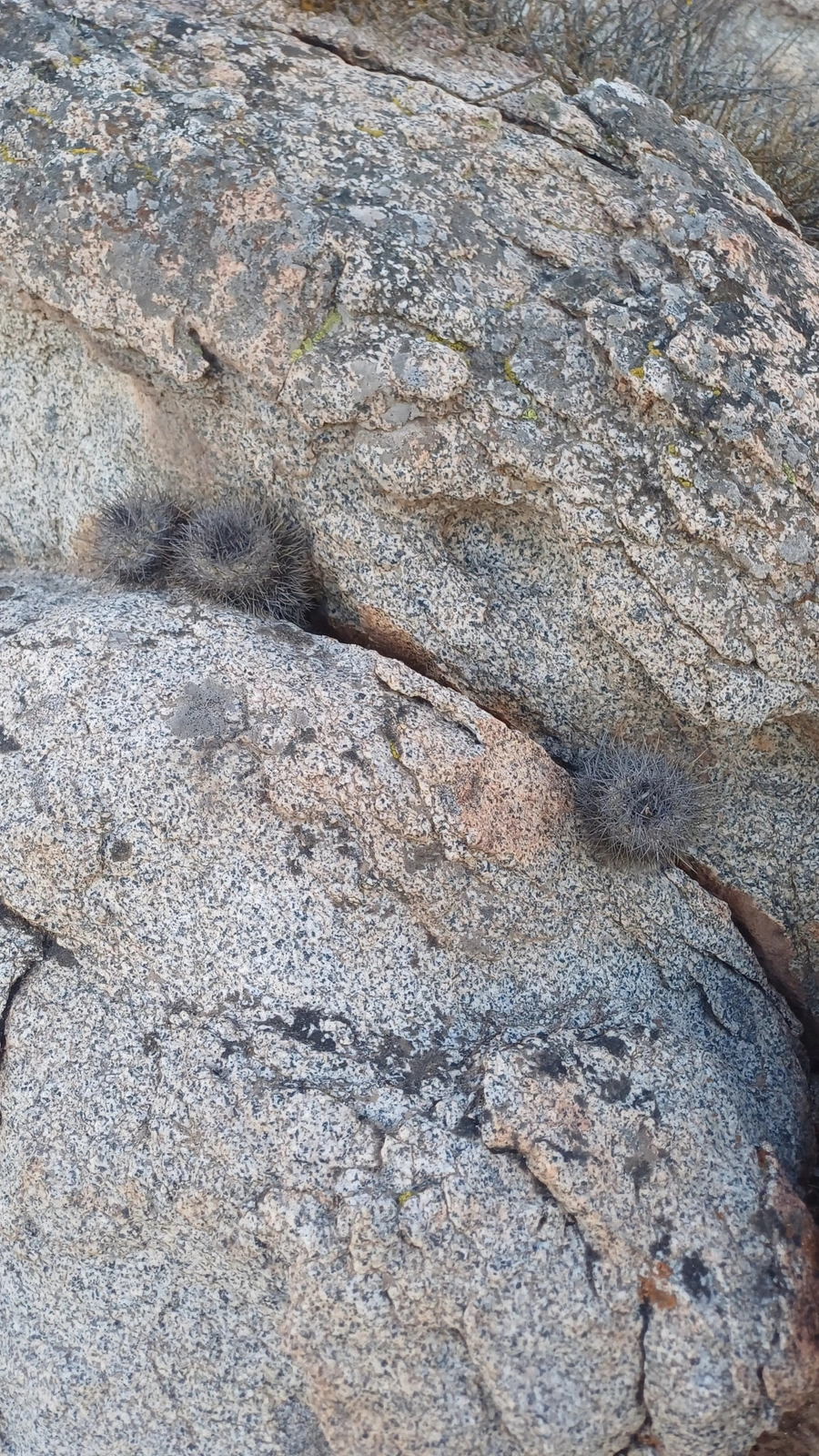 Reference image
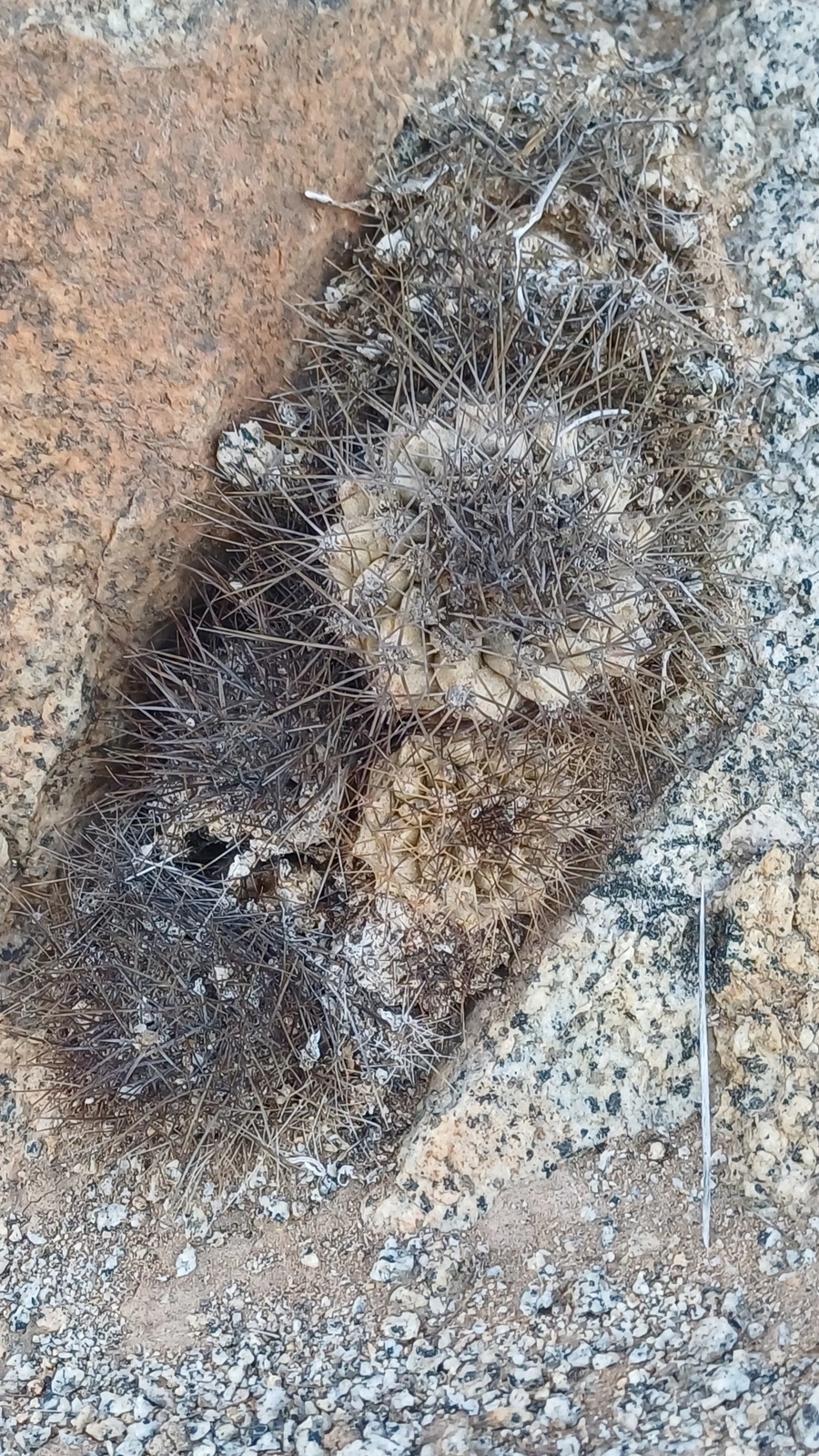 Reference image
Long-spined Copiapoa
Copiapoa longispina is a highly sought-after, slow-growing globose cactus native to the coastal deserts of northern Chile. It is renowned among succulent enthusiasts for its globose, grey-green stems and remarkably long, dramatic spines 1.
Belonging to the family Cactaceae and the specialized genus Copiapoa, its specific epithet longispina translates directly from Latin as 'long-spined.' Taxonomists occasionally treat it as a subspecies or variety of the highly variable Copiapoa humilis complex 2.
This species is restricted to the hyper-arid coastal hills of the Atacama (CLNAT) and Antofagasta (CLNAN) regions of Chile. In its natural habitat, it relies heavily on coastal fogs known locally as 'Camanchaca' to survive the near-absence of rainfall 1.
It features solitary or slowly offsetting globose stems of a glaucous greyish-green hue. The ribs are prominent and tubercled, bearing large areoles with stout, long, dark spines that fade to grey with age. Diurnal yellow flowers emerge from the woolly crown in spring and summer.
In cultivation, it requires maximum light exposure and a strictly mineral, fast-draining substrate. Watering must be infrequent, utilizing a soak-and-dry method, with a dry winter dormancy to prevent root rot.
Overwatering in organic-rich soils is the primary cause of decline. Insufficient sunlight leads to etiolation, causing the stems to stretch, lose their natural waxy coloration, and weaken.
Requires full sun or bright direct sunlight for at least 6 hours daily to maintain its compact form and heavy spination.
Allow soil to dry out completely between waterings. Restrict watering completely during winter.
Must be potted in a gravelly, inorganic mix containing pumice, volcanic rock, and coarse sand.
Non-toxic to pets and humans, but carries sharp, rigid spines that can cause puncture injuries.
Moderately difficult; success depends heavily on avoiding excess humidity and overwatering.
Occurs along the coastal hills of the Atacama Desert in Chile, thriving in a highly arid landscape where moisture is primarily delivered by dense, cool oceanic sea fogs rolling in from the Pacific.
