
Light
Full Sun
Requires full sun to maintain its compact shape and dark epidermis coloration.
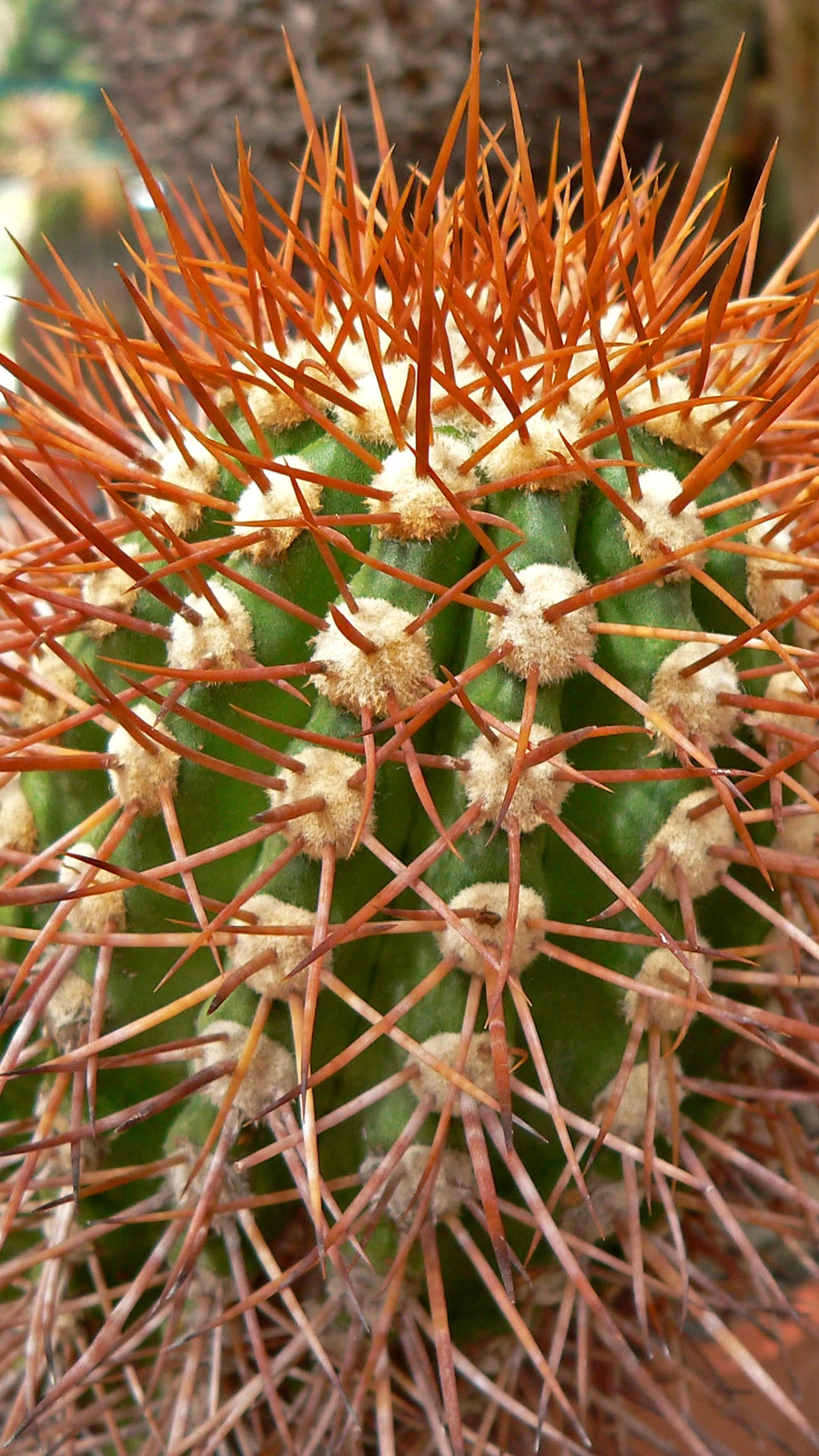 Reference image
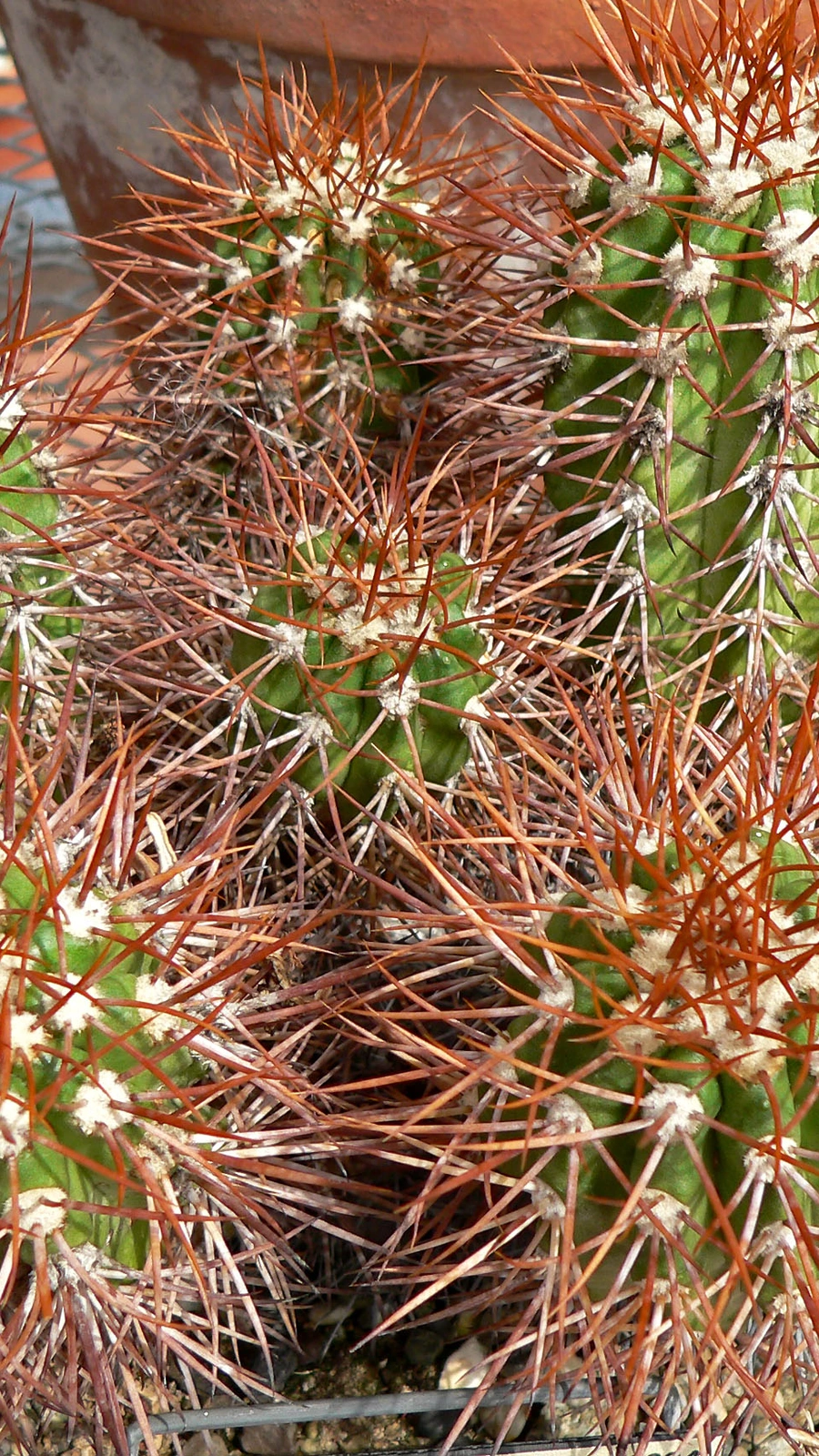 Reference image
Taltal Copiapoa
Copiapoa taltalensis is a highly prized, slow-growing succulent subshrub belonging to the Cactaceae family, native to the hyper-arid coastal regions of Chile 1. Renowned for its dramatic dark spination and contrasting yellow blooms, this cactus is a masterpiece of evolutionary adaptation, thriving where few other plants can survive.
Classified under the genus Copiapoa, this species was named after the coastal town of Taltal in northern Chile, where it was first documented 2. It belongs to a highly specialized genus of cacti known for their ability to survive almost exclusively on coastal fog moisture. Several subspecies and varieties exist within the wider C. taltalensis complex.
This species is restricted to the Antofagasta and Atacama regions of northern Chile 1. It inhabits rocky hillsides, coastal cliffs, and desert plains. The climate is characterized by near-zero rainfall, with the plants relying heavily on the daily coastal fog known as "Camanchaca" to meet their water requirements 2.
Copiapoa taltalensis features globose to short cylindrical stems that may remain solitary or offset from the base over time. The epidermis ranges from grayish-green to deep bronze or brownish-purple. Prominent ribs host woolly areoles from which fierce, dark brown to black spines emerge, fading to gray with age. The apex produces striking, bell-shaped yellow flowers during the summer months.
In cultivation, it requires maximum sunlight and a highly mineral, free-draining substrate. Watering should follow a strict soak-and-dry cycle, with complete drought during the winter months. Adequate ventilation is crucial to mimic its coastal breeze habitat 2.
The most prevalent issue is root rot caused by organic-rich soils and overwatering. Additionally, keeping the plant in low-light conditions leads to etiolation, causing the natural globose shape to stretch and weaken.
Requires full sun to maintain its compact shape and dark epidermis coloration.
Water only when the substrate is completely bone-dry. Keep completely dry in winter.
Extremely porous mineral substrate rich in pumice, gravel, and perlite with minimal loam.
Possesses sharp, rigid spines. Handle with care using thick gloves. Non-toxic.
Moderate difficulty due to rot sensitivity. Requires strict watering discipline.
Endemic to the coastal desert slopes of northern Chile, where it relies heavily on atmospheric moisture from coastal sea fogs.
