
Light
Full Sun
Requires full sun. At least 6 hours of direct sunlight daily is essential for maintaining its compact shape and promoting blooms.
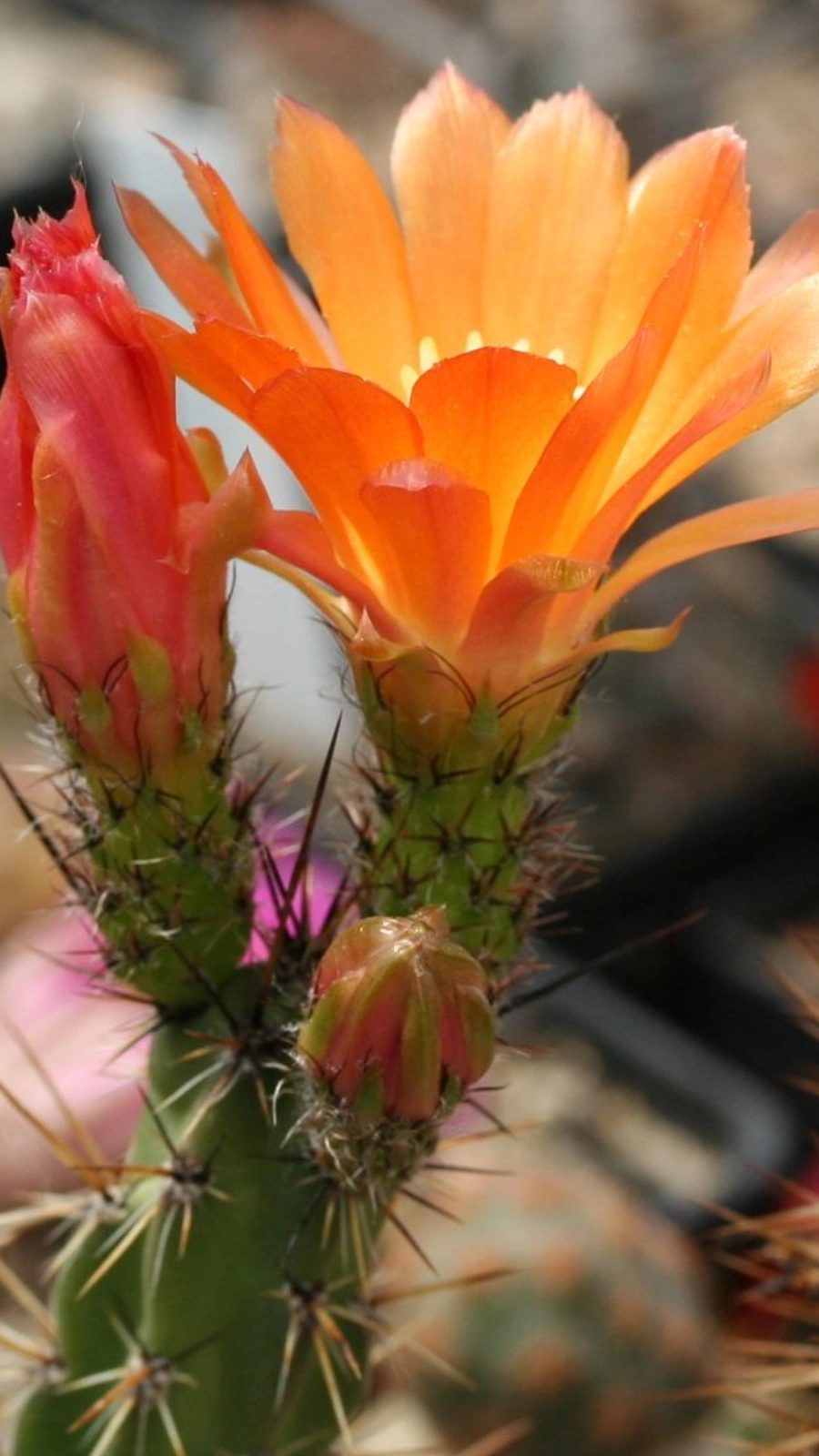 Reference image
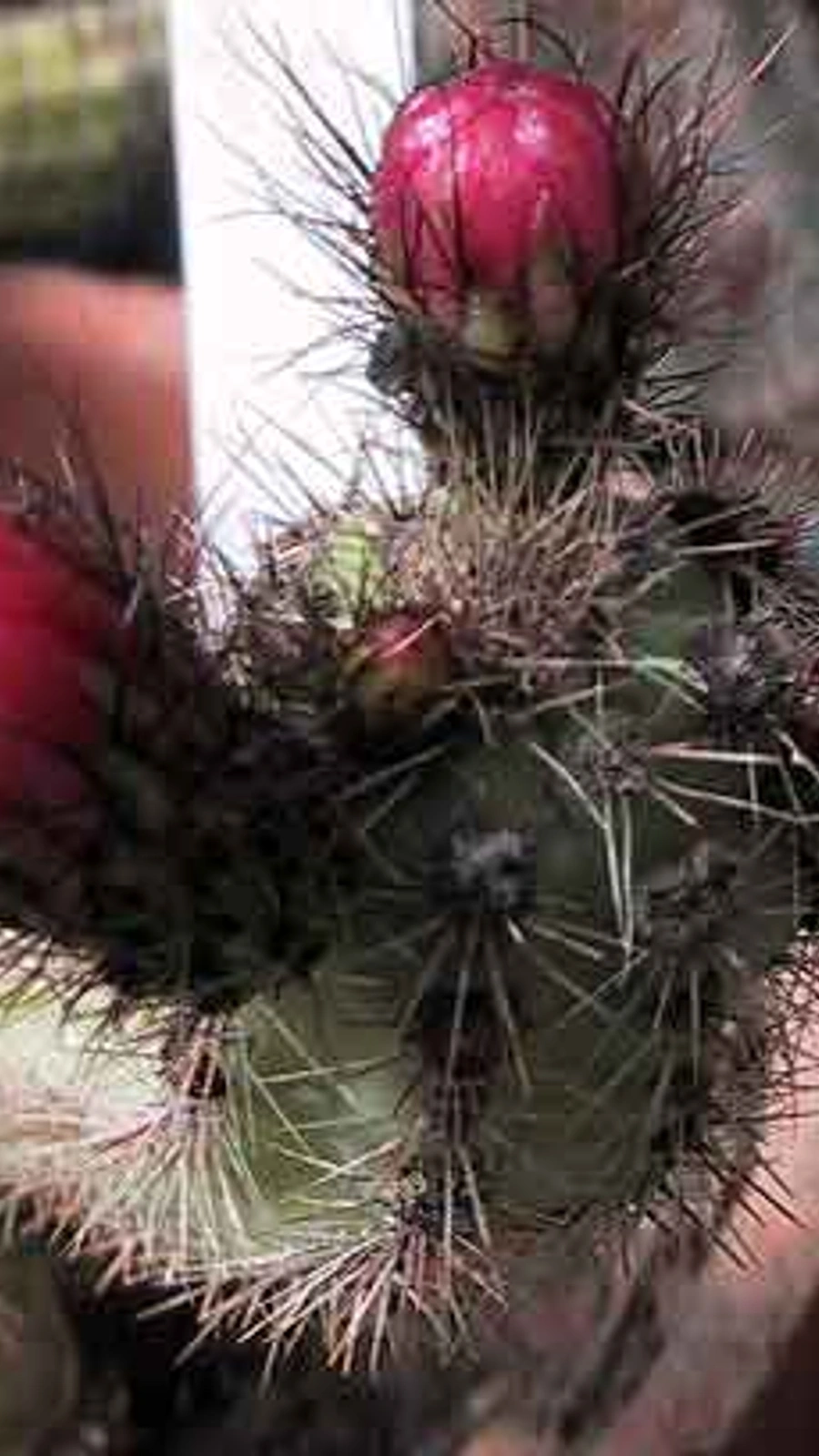 Reference image
Apical-flowering Corryocactus
Corryocactus apiciflorus is a rare, shrubby, semi-erect to sprawling cactus species belonging to the Cactaceae family. Known for its striking golden-yellow to orange flowers that cluster at the branch tips, this resilient plant is highly valued by collectors for its rugged natural appearance and magnificent floral displays 1.
The species name apiciflorus refers to its characteristic habit of producing flowers near the apex (tips) of its stems. The genus Corryocactus was named in honor of Thomas A. Corry, a chief engineer for the Peruvian Southern Railway 2. Synonyms include Cereus apiciflorus and Erdisia apiciflorus.
This species is native to the high-elevation dry valleys of the Andes in Peru, typically thriving at altitudes between 2,000 and 3,000 meters above sea level. It grows on rocky slopes, cliffs, and in dry shrublands, fully exposed to intense sunlight and planted in highly mineralized, low-nutrient soils 1.
Corryocactus apiciflorus develops multiple cylindrical, ribbed stems, forming a sprawling subshrub up to 1 to 2 meters tall. The stems feature prominent ribs armed with sturdy, yellowish-brown radial and central spines. During the summer, it produces spectacular funnel-shaped, vibrant yellow or orange-red flowers at the stem tips, which later yield small, spherical, spiny fruits 2.
In cultivation, this cactus requires maximum light, mimicking its high-altitude habitat. It demands an open, extremely gritty potting medium. Water should be applied generously during the active growing season but only after the substrate has dried out completely. Winter care requires cold, dry conditions.
The most critical mistake is overwatering, especially in heavy soils, which quickly causes root rot. Lack of adequate direct sunlight leads to weak, pale, and stretched growth (etiolation).
Requires full sun. At least 6 hours of direct sunlight daily is essential for maintaining its compact shape and promoting blooms.
Drench thoroughly when soil is completely dry in spring and summer. Keep virtually dry throughout the winter months.
Use a specialized cactus mix heavily amended with pumice, perlite, and coarse sand to ensure rapid drainage.
Armed with sharp, rigid spines. Place away from high-traffic areas, children, and pets. Wear thick protective gloves during handling.
Moderately easy for growers who can respect its strict watering requirements and provide high light levels.
Inhabits the high-altitude rocky valleys of the Peruvian Andes, where it is subjected to intense day-time sun, cold nights, and very little rainfall.
