
Light
Full Sun
Requires full, direct sun. Insufficient light leads to weak, stretched growth.
 Reference image
 Reference image
Erect Column Cactus
Corryocactus erectus is a lesser-known but botanically significant columnar cactus belonging to the Cactaceae family. Renowned for its upright growth habit and extreme drought tolerance, this species is a prized find for succulent and cactus collectors 1.
The genus name "Corryocactus" honors T. A. Corry, a railway engineer in Peru. The specific epithet "erectus" is derived from Latin, referring directly to its straight, upright growth pattern 2. It plays a key role in studying the evolutionary history of South American columnar cacti.
Native to the arid valleys of Peru and western South America, this species thrives in dry shrublands and desert biomes 1. It is typically found on rocky, mineral-rich slopes under intense solar radiation and minimal precipitation.
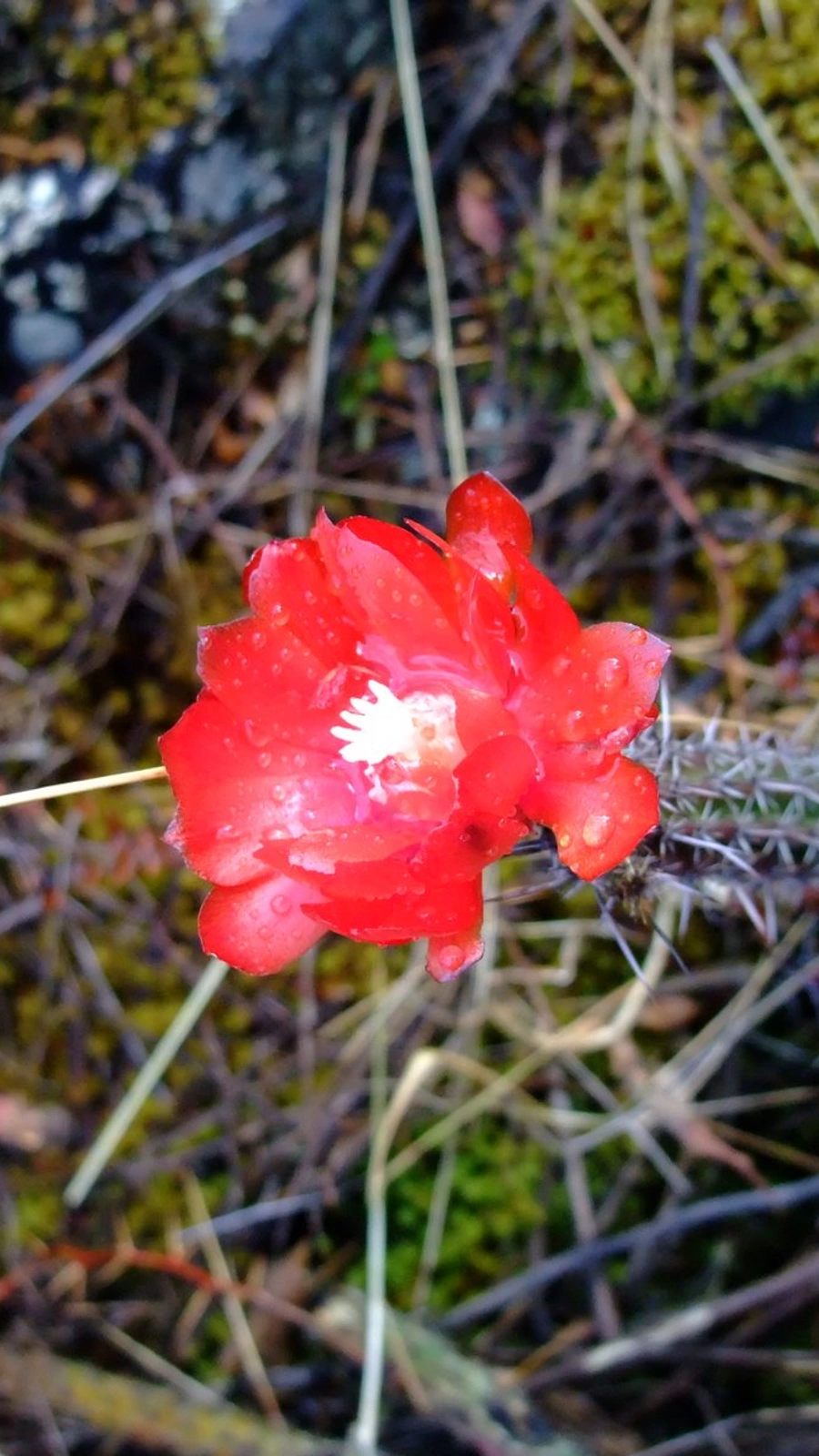
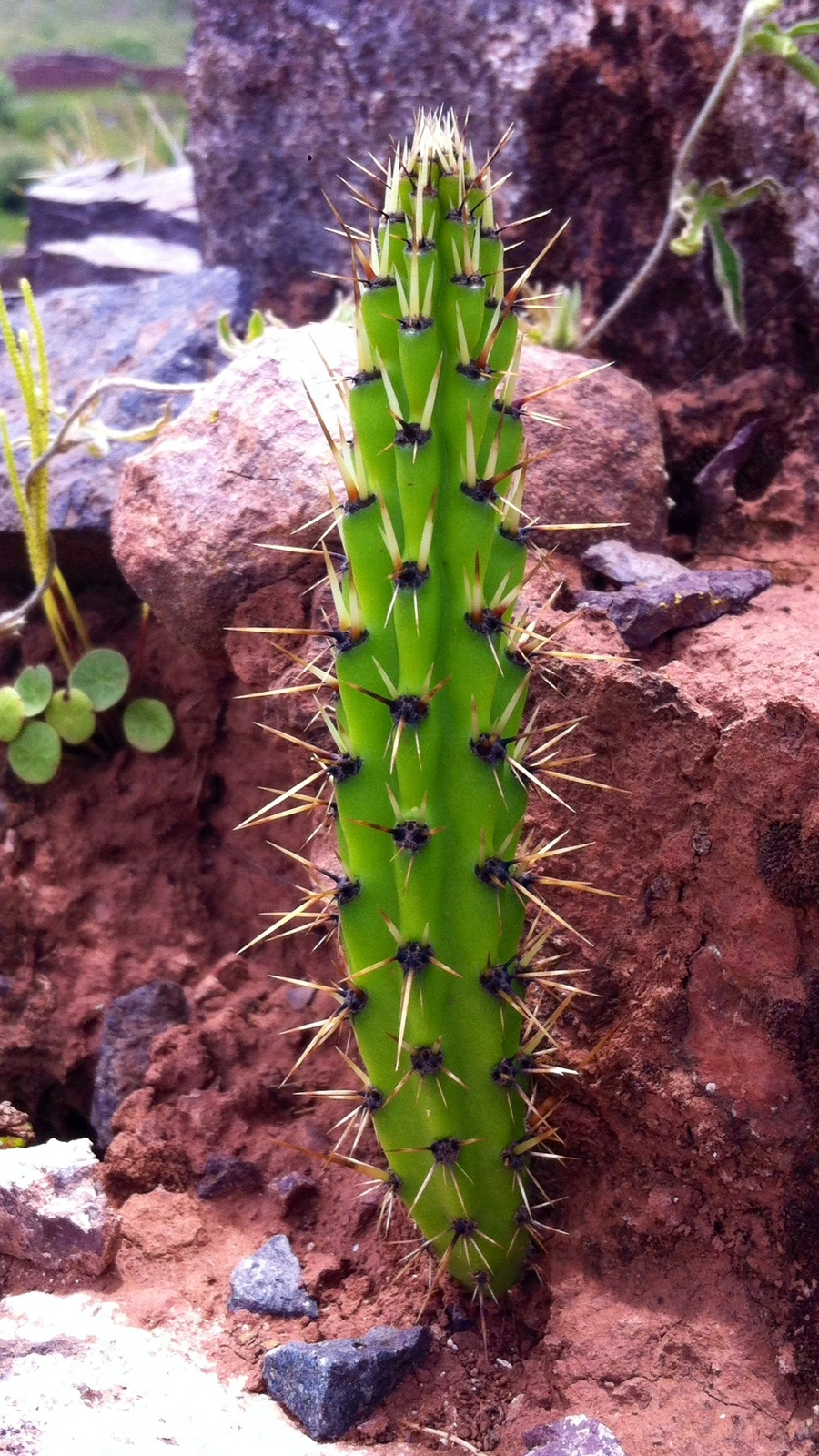
This cactus features erect, green to grayish-green cylindrical stems with prominent vertical ribs. Sharp, pale spines emerge from distinct areoles along the ribs. During the summer, it can produce beautiful, funnel-shaped flowers in shades of yellow and light orange.
In cultivation, Corryocactus erectus requires full sun and exceptionally well-draining soil. Water thoroughly during the active summer growth period, allowing the substrate to dry out completely between waterings 2. In winter, the plant should be kept dry and cool.
The most frequent pitfall is using dense, water-retaining soils which inevitably lead to root rot 1. Insufficient light exposure will cause the stems to stretch and weaken, losing their robust, erect shape.
Requires full, direct sun. Insufficient light leads to weak, stretched growth.
Water deeply only when the soil is 100% dry; keep dry in winter.
Gritty, mineral-rich substrate containing pumice, sand, and perlite.
Sharp spines; handle with thick leather gloves and keep away from pets.
Moderate, demanding strict watering discipline and intense light.
Occurs naturally in the highly arid montane deserts and stony valleys of Peru, surviving under intense sun exposure and in low-nutrient soil conditions.
