
Light
Bright Indirect Light
Thrives in bright indirect light or filtered direct sun.
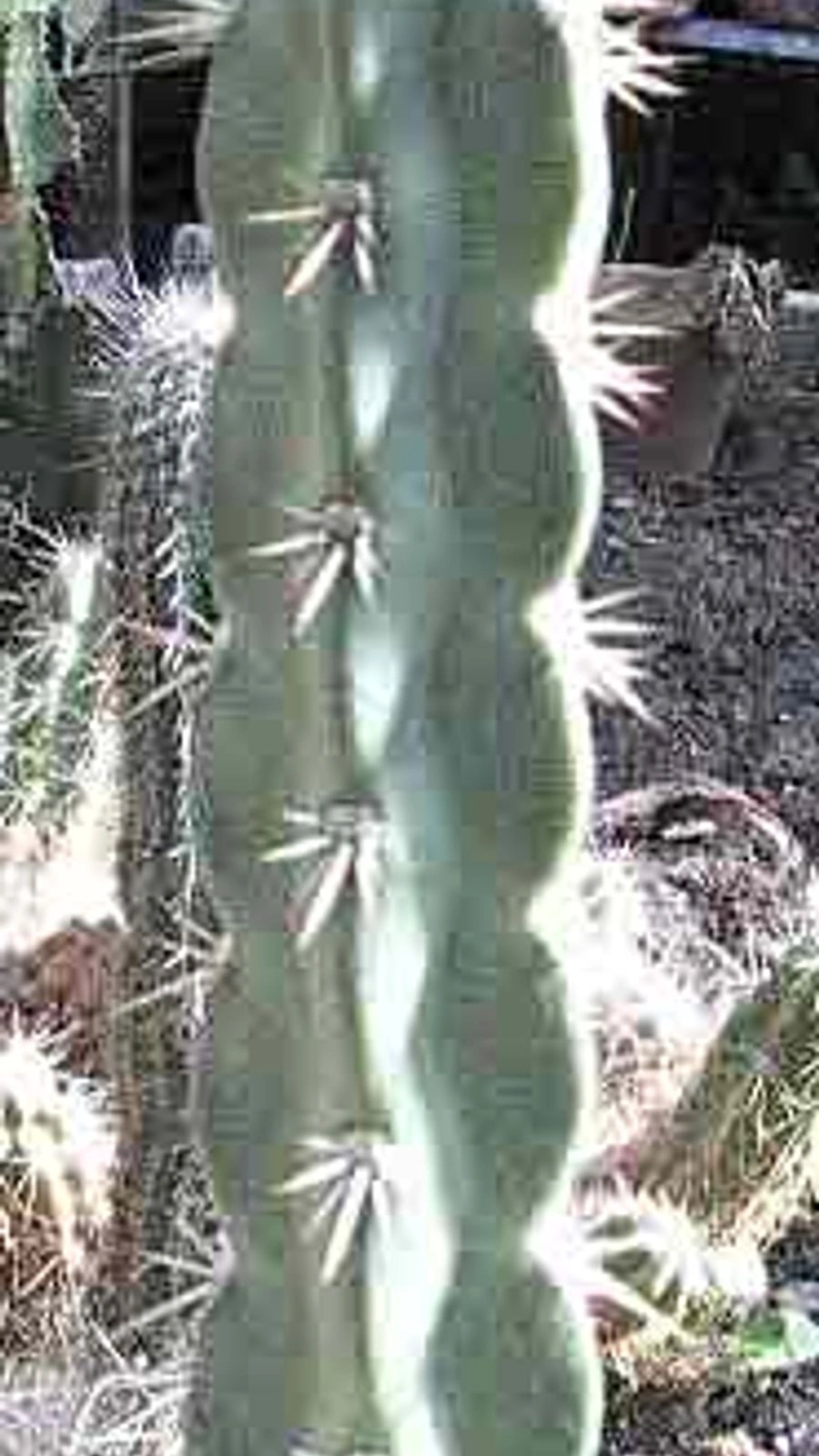 Reference image
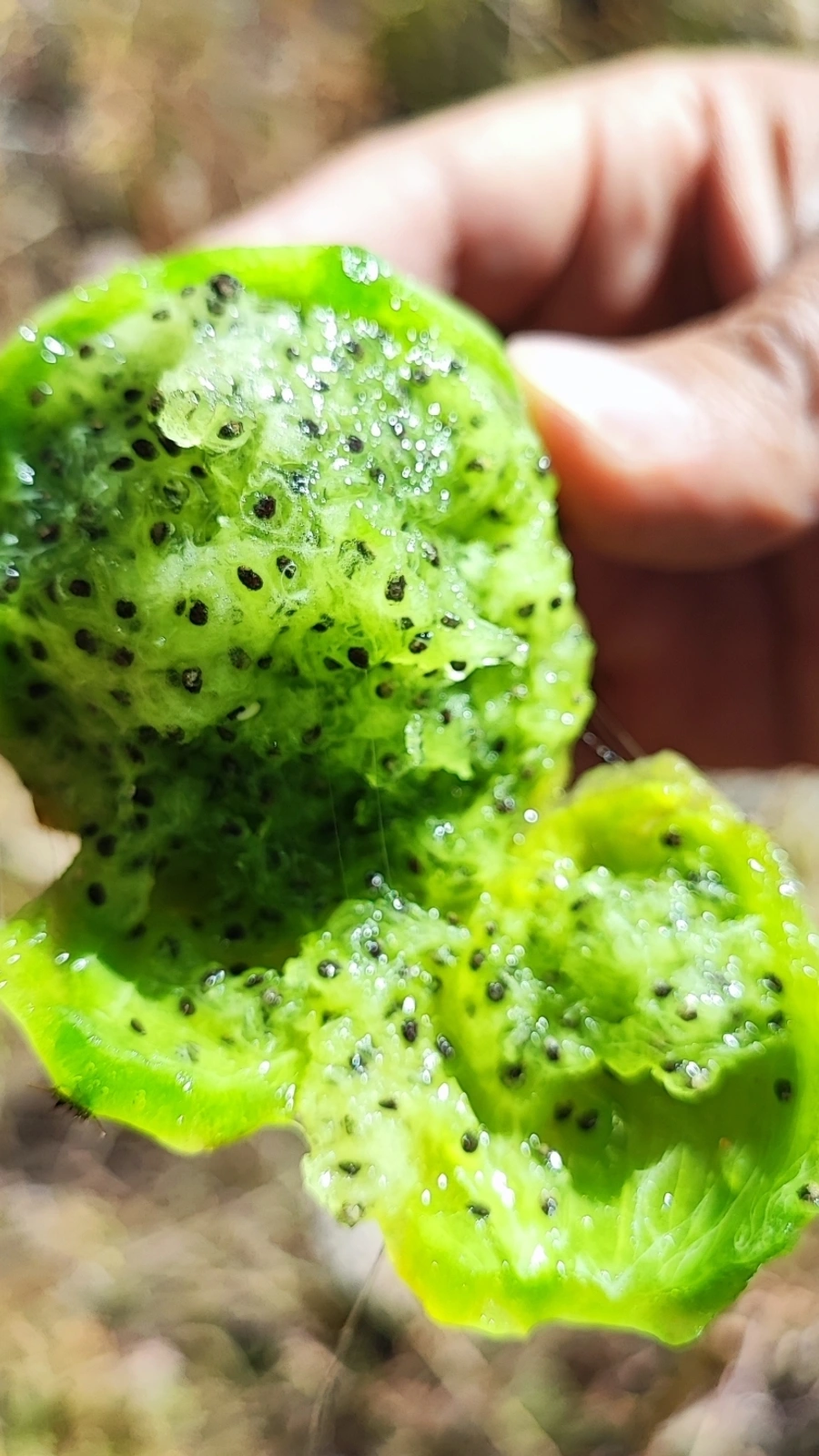 Reference image
Quadrangular Corryocactus
Corryocactus quadrangularis is a distinctive columnar cactus species belonging to the family Cactaceae. Native to the arid environments of Peru, this plant is well-adapted to surviving under intense sun and minimal moisture.
Classified within the tribe Trichocereeae under the genus Corryocactus, the specific epithet quadrangularis refers to the plant's characteristic four-ribbed (quadrangular) stem structure 1. It represents the unique xerophytic flora of the western South American Andes foothills 2.
This species is endemic to western South America, specifically within Peru's dry shrublands and desert biomes. It thrives in gravelly, poor soils on sun-baked rocky slopes where drainage is instantaneous and moisture is scarce 1.
It exhibits a shrubby to columnar growth habit, branching primarily from the base. The stems are defined by 4 deep ribs. Golden-brown to grayish spines emerge from prominent areoles along the rib margins. The flowers are typically diurnal, showing bright hues during the peak growing season.
In cultivation, it requires bright, indirect sunlight or partially filtered direct sun. Soil must be extremely porous to mimic its rocky natural habitat. Water should be applied thoroughly only when the growing medium has dried completely. Winter care requires keeping the plant dry and cool.
Overwatering in poorly draining pots is the leading cause of root rot 2. Insufficient light in indoor environments causes etiolation, stretching the stems thin and weakening the plant's structural integrity.
Thrives in bright indirect light or filtered direct sun.
Allow soil to dry out completely between waterings. Dry in winter.
Highly porous cactus soil enriched with pumice and coarse sand.
Features sharp spines; handle with thick gloves and keep away from pets.
Moderate. Requires strict watering discipline to prevent root rot.
Indigenous to the hyper-arid regions and rocky mountain slopes of Peru, growing in dry shrublands with gravel-rich soils.
