
Light
Full Sun
Needs at least 6 hours of direct sunlight daily; ideal for south-facing windows or outdoor patios.
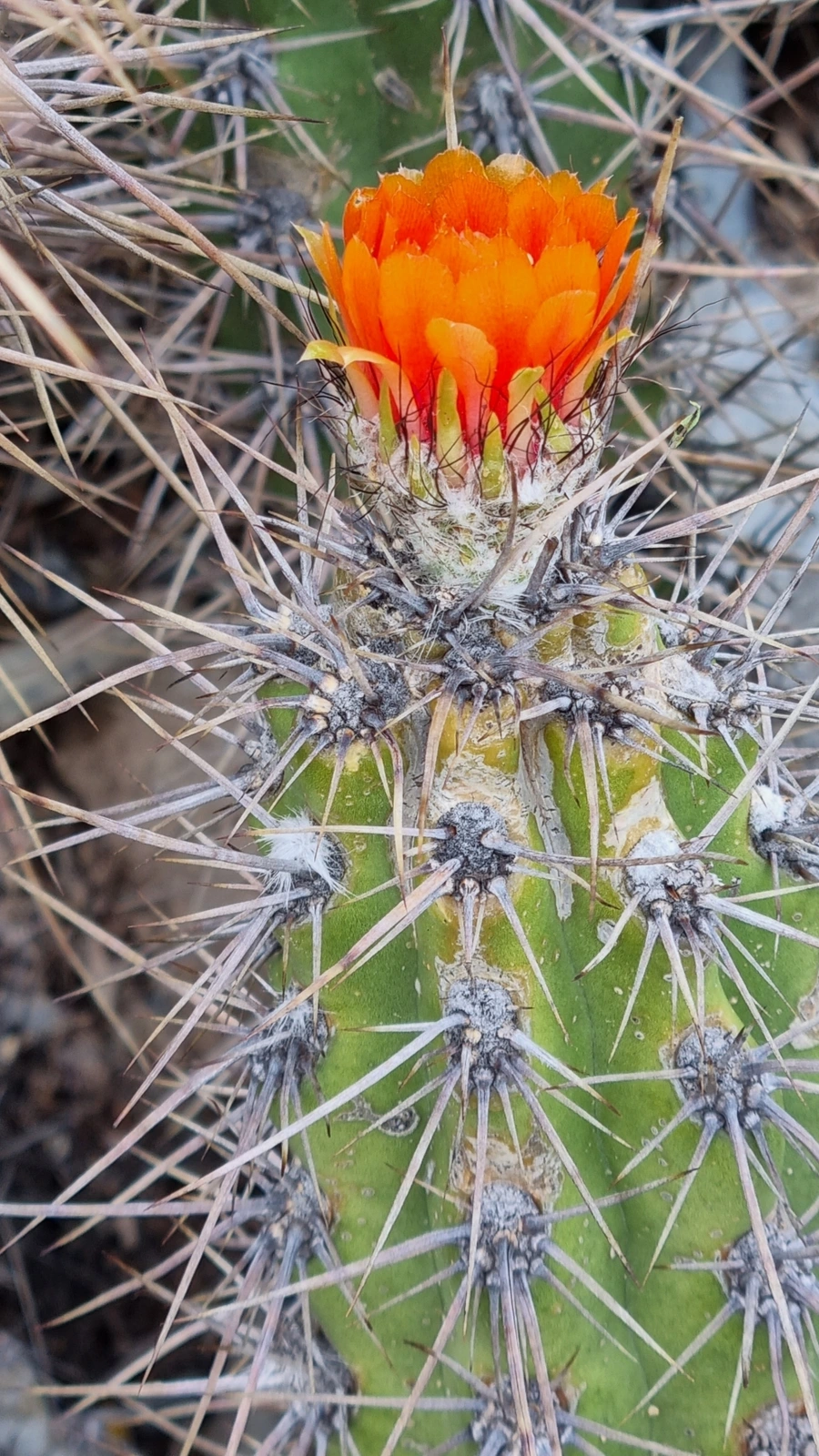 Reference image
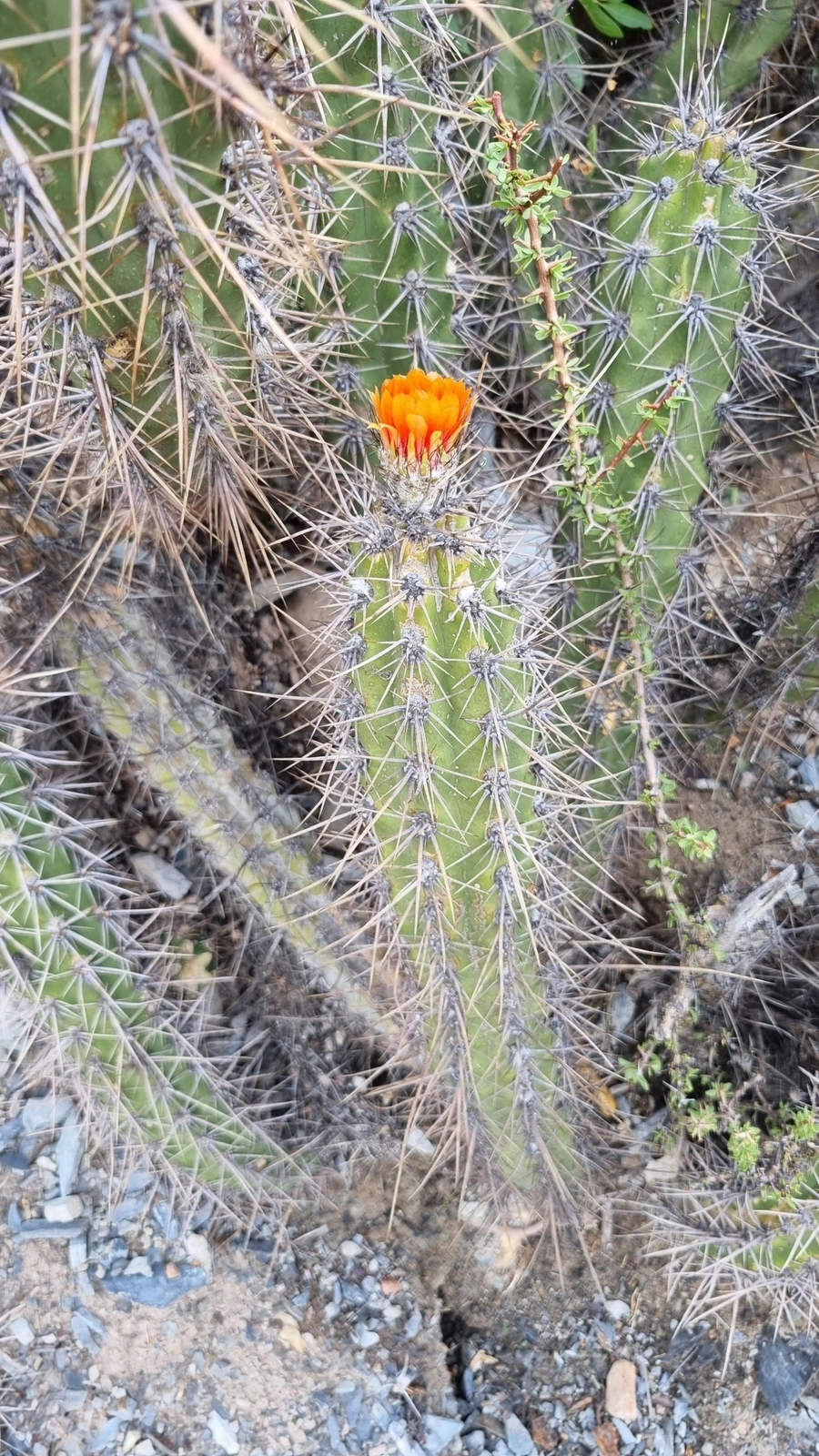 Reference image
Tarija Column Cactus
Corryocactus tarijensis is a columnar, heavily spined cactus species native to the high-altitude arid regions of South America. It is characterized by its resilient growth habit and unique skeletal branching.
Belonging to the family Cactaceae and the genus Corryocactus, this species was described based on specimens collected from the Tarija department of Bolivia 1. The genus name honors T. A. Corry, who assisted botanist Thomas Harper Goodspeed during his Andean expeditions.
This species is naturally distributed across southern Bolivia and western parts of South America 2. It thrives at elevations between 1500 and 2500 meters above sea level, clinging to rocky slopes, dry shrublands, and screes where sunlight is intense and soil organic matter is minimal.
It forms upright or semi-decumbent columnar stems that branch primarily from the base. The ribs are prominent, lined with large areoles that bear stout, needle-like spines. The flowers are typically diurnal, showing vibrant yellow or orange-red hues, blooming near the stem tips.
In cultivation, Corryocactus tarijensis requires full sun to maintain its compact growth and spine density. It must be potted in a mineral-heavy, sharply draining substrate. Watering should follow a 'soak and dry' cycle during the warm growing season and be withheld entirely during cold winter months.
Overwatering and poor ventilation are the most frequent causes of failure, quickly leading to root and stem rot. Insufficient sunlight will cause etiolation, leading to weak, pale, and stretched stems.
Needs at least 6 hours of direct sunlight daily; ideal for south-facing windows or outdoor patios.
Water deeply only when soil is 100% dry; keep dry in winter to prevent root rot.
Requires a highly porous mix containing pumice, coarse sand, and minimal organic matter.
Possesses sharp, rigid spines. Handle with thick protective gloves and keep away from pets.
Moderately easy if watering is strictly controlled and strong light is consistently provided.
Endemic to the high-altitude rocky slopes and dry shrublands of the Tarija department in southern Bolivia.
