
Light
Bright Indirect Light
Requires at least 4-6 hours of bright filtered sunlight daily to prevent etiolation.
 Reference image
 Reference image
Clubed Coryphantha
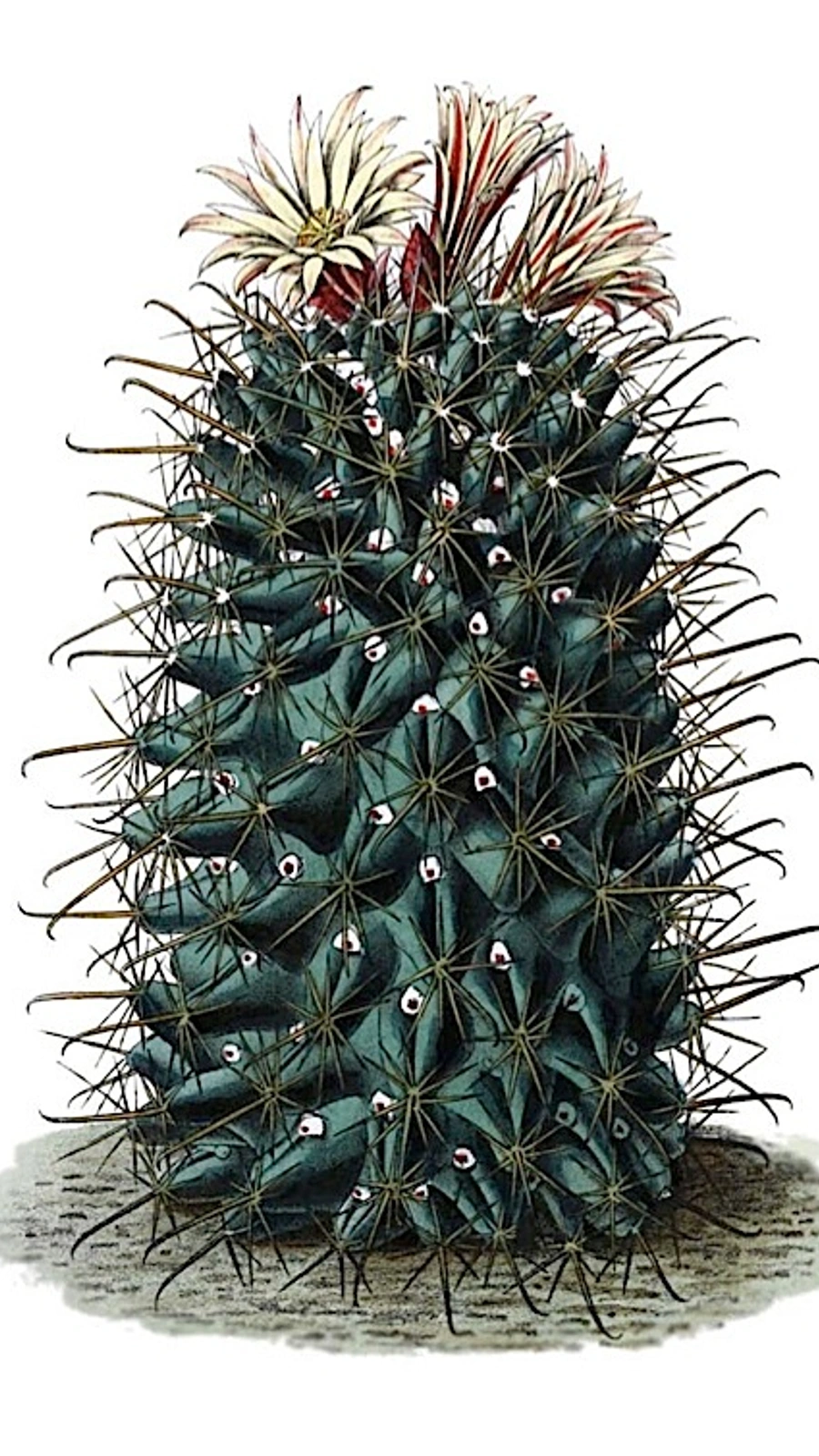
Coryphantha clavata is an erect, cylindrical-stemmed cactus species belonging to the family Cactaceae, native to the arid highlands of Mexico. Known for its distinct tubercle structure and stunning yellow crown flowers, it is highly prized by succulent collectors for its geometric appeal and cold tolerance when kept dry 1.
The genus name Coryphantha derives from the Greek words koryphe, meaning 'summit' or 'crown', and anthos, meaning 'flower', referencing the apical flowering habit of the genus. The specific epithet clavata is Latin for 'club-shaped', describing the upright, elongated habit of mature specimens 2.
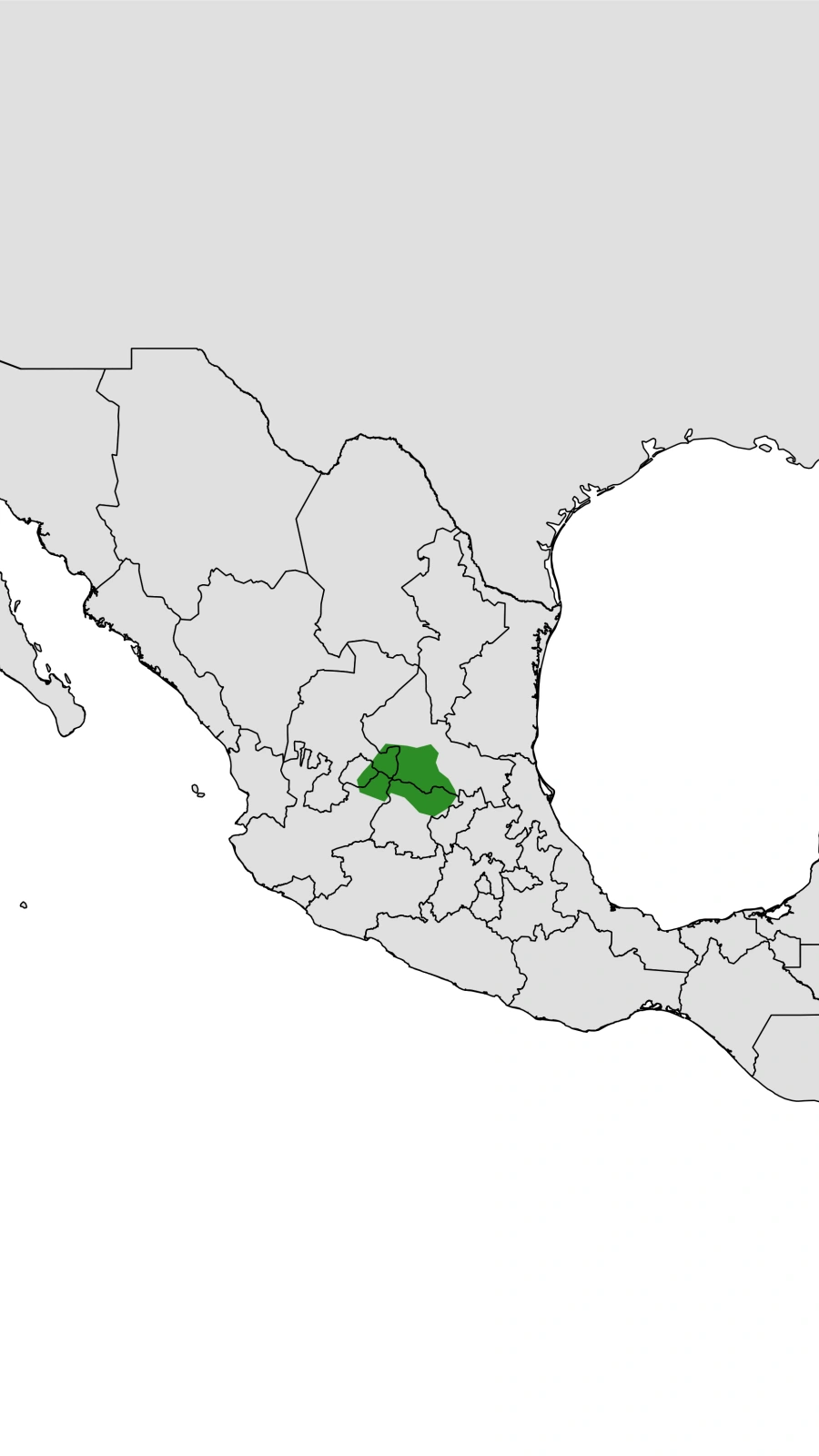
This species is widely distributed across central and northern Mexico, including the states of San Luis Potosí, Zacatecas, Guanajuato, Aguascalientes, and Querétaro. It thrives in desert shrublands, limestone slopes, and dry grasslands at elevations between 1800 and 2400 meters, typically growing in mineral-rich, calcareous soils 1.
The stems are dark olive green to grayish-green, growing into slender cylinders up to 30 cm tall. The prominent tubercles possess glandular clefts. Areoles are armed with robust, yellowish-brown central and radial spines that fade to gray. In summer, it produces funnel-shaped pale yellow flowers up to 5 cm wide at the stem apex 2.
Cultivation requires a highly porous, mineral-based potting substrate with exceptional drainage. Water thoroughly during the active spring and summer growth phases, allowing the medium to dry out completely between waterings. Provide bright, filtered sunlight and keep absolutely dry in winter.
The most prevalent error is using peat-heavy organic soils combined with overwatering, which rapidly induces root rot. Insufficient light exposure leads to etiolation (pale, stretched growth) and prevents the development of its signature yellow blooms.
Requires at least 4-6 hours of bright filtered sunlight daily to prevent etiolation.
Allow the soil to dry completely before watering. Suspend watering entirely during winter.
Highly mineral substrate with low organic content, rich in pumice and limestone grit.
Armed with sharp spines; keep out of reach of children and domestic pets.
Moderately easy if watering is strictly controlled and mineral soil is used.
Naturally occurs in the high-altitude arid shrublands and limestone slopes of central and northern Mexico.
