
Light
Bright Indirect Light
Prefers bright, indirect sunlight or partial morning sun; protect from scorching midday sun.
 Reference image
 Reference image
Elephant Tooth Cactus
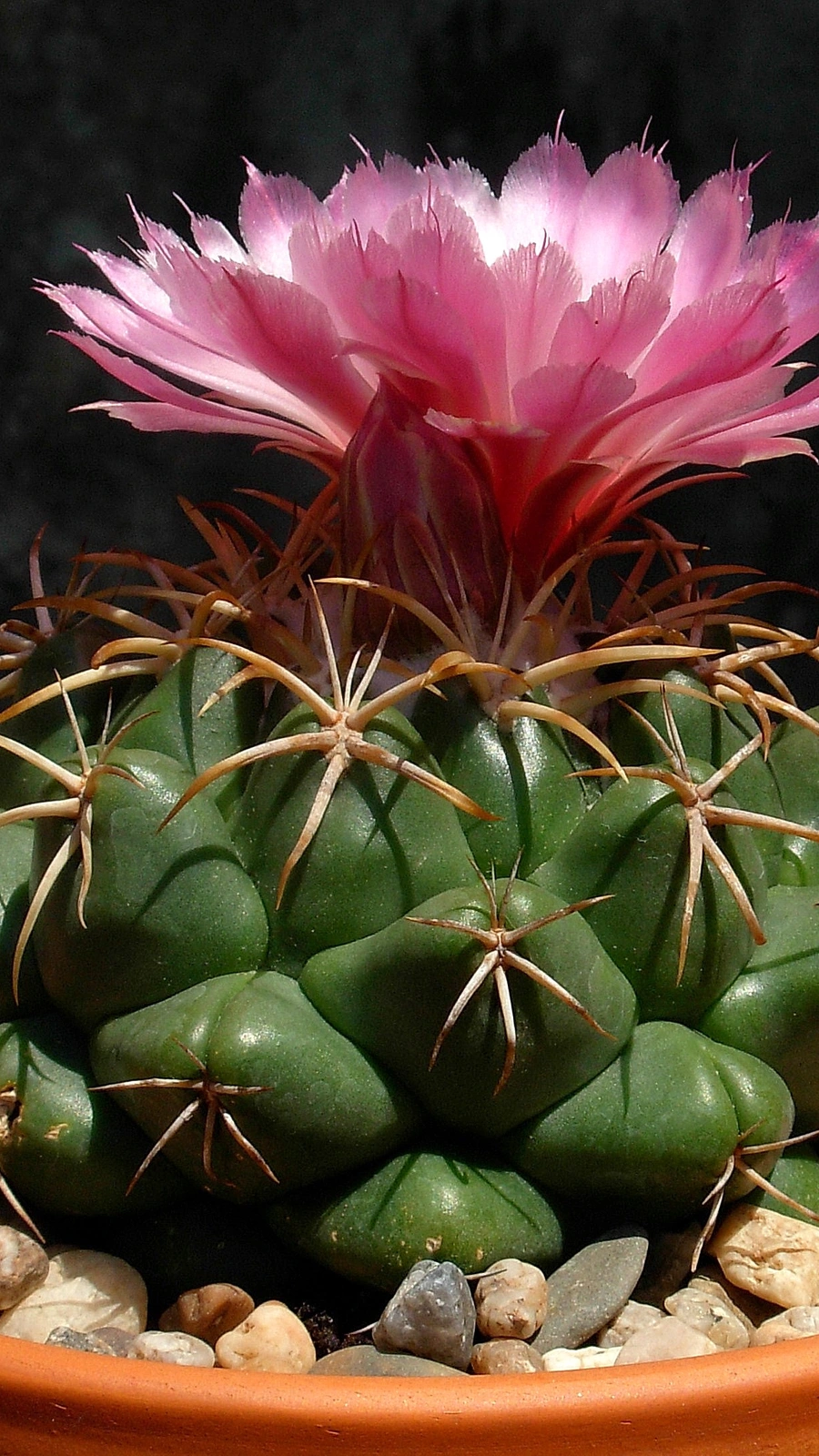
Coryphantha elephantidens is a highly sought-after, globose-depressed cactus species belonging to the family Cactaceae. Known for its remarkably large, smooth tubercles and striking summer blooms, it is a favorite among succulent collectors and rock garden enthusiasts 1.
The genus name Coryphantha is derived from the Greek words 'koryphe' (summit/helmet) and 'anthos' (flower), referring to the apical flowering habit of these plants. The specific epithet elephantidens means 'elephant's tooth', describing the thick, curved, yellowish spines that resemble ivory tusks 2.
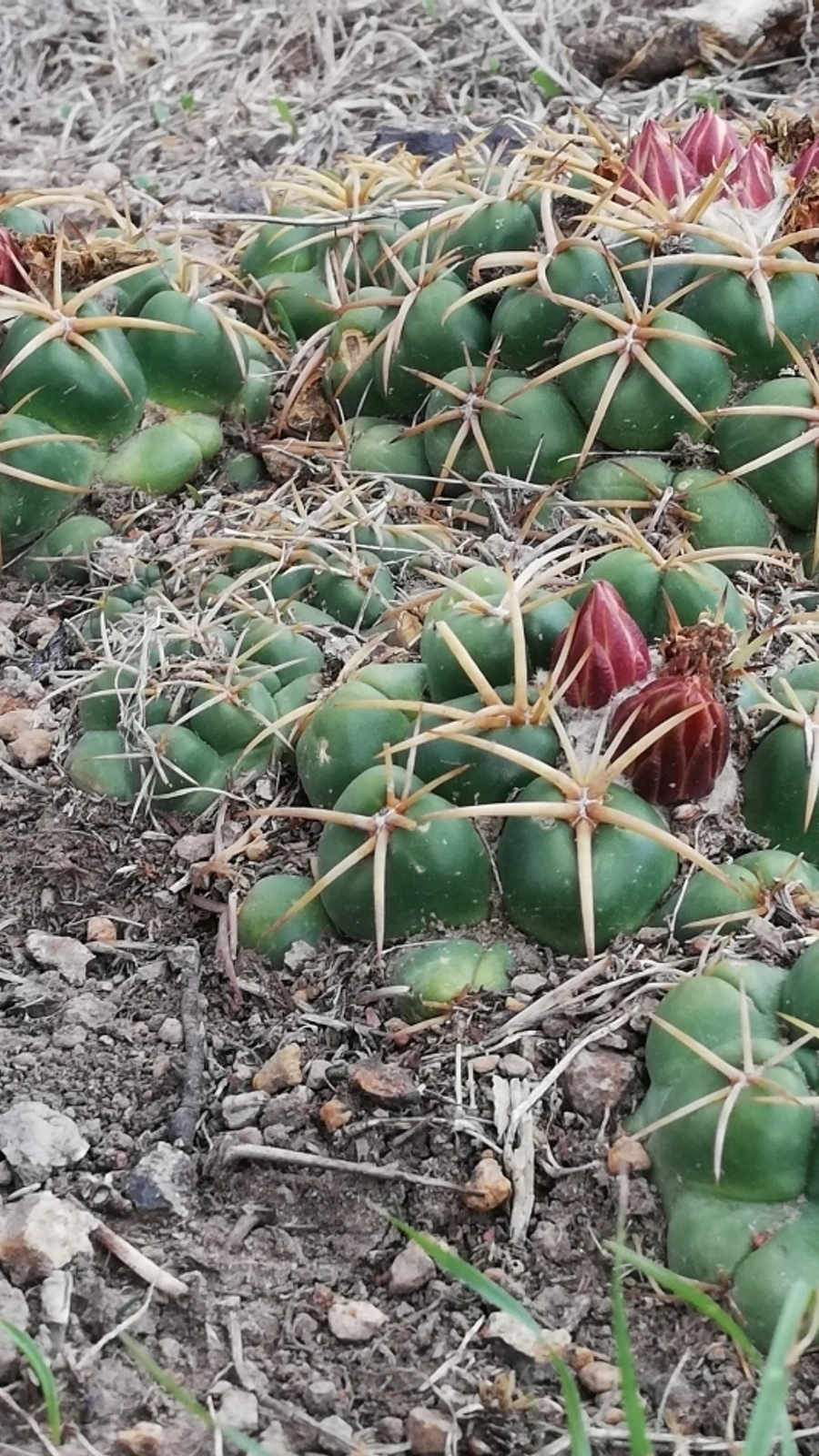
Native to a wide area of central and western Mexico, including states like Michoacán, Jalisco, Morelos, and Durango. It thrives in semi-arid environments, dry shrublands, grasslands, and on rocky volcanic slopes at elevations between 1000 and 2000 meters above sea level 1.
The stem is solitary or slowly offsetting, dark green, and grows up to 15 cm in diameter. It features massive, flattened, rounded tubercles. The spines are stout, recurved back toward the body, and range from pale yellow to horn-colored. In late summer, spectacular, large pink to deep magenta flowers emerge from the crown 2.
This species requires very bright, indirect light with some direct morning sun. It needs a highly porous mineral potting medium to prevent water retention. Water thoroughly only when the soil has dried out completely during the active growing season, and keep dry in winter 1.
Overwatering and using organic-heavy, poorly draining soil mixes are the leading causes of root rot. Keeping the cactus in damp, cold drafts during winter can quickly lead to fungal infections and stem collapse.
Prefers bright, indirect sunlight or partial morning sun; protect from scorching midday sun.
Allow the soil to dry out completely before watering. Keep completely dry in winter.
Extremely well-drained, gritty mineral mix containing pumice, lava rock, and coarse sand.
The curved, strong spines can cause minor injuries. Keep away from high-traffic areas. Non-toxic.
Very easy to maintain, provided you avoid overwatering and wet winter conditions.
Native to central and western Mexico, where it grows in semi-arid grasslands, volcanic rocky outcrops, and dry shrublands of states like Michoacán, Jalisco, and Guanajuato.
