
Light
Bright Indirect Light
Thrives in bright, indirect sunlight or filtered sun. Protect from scorching afternoon sun.
 Reference image
 Reference image
George's Beehive Cactus
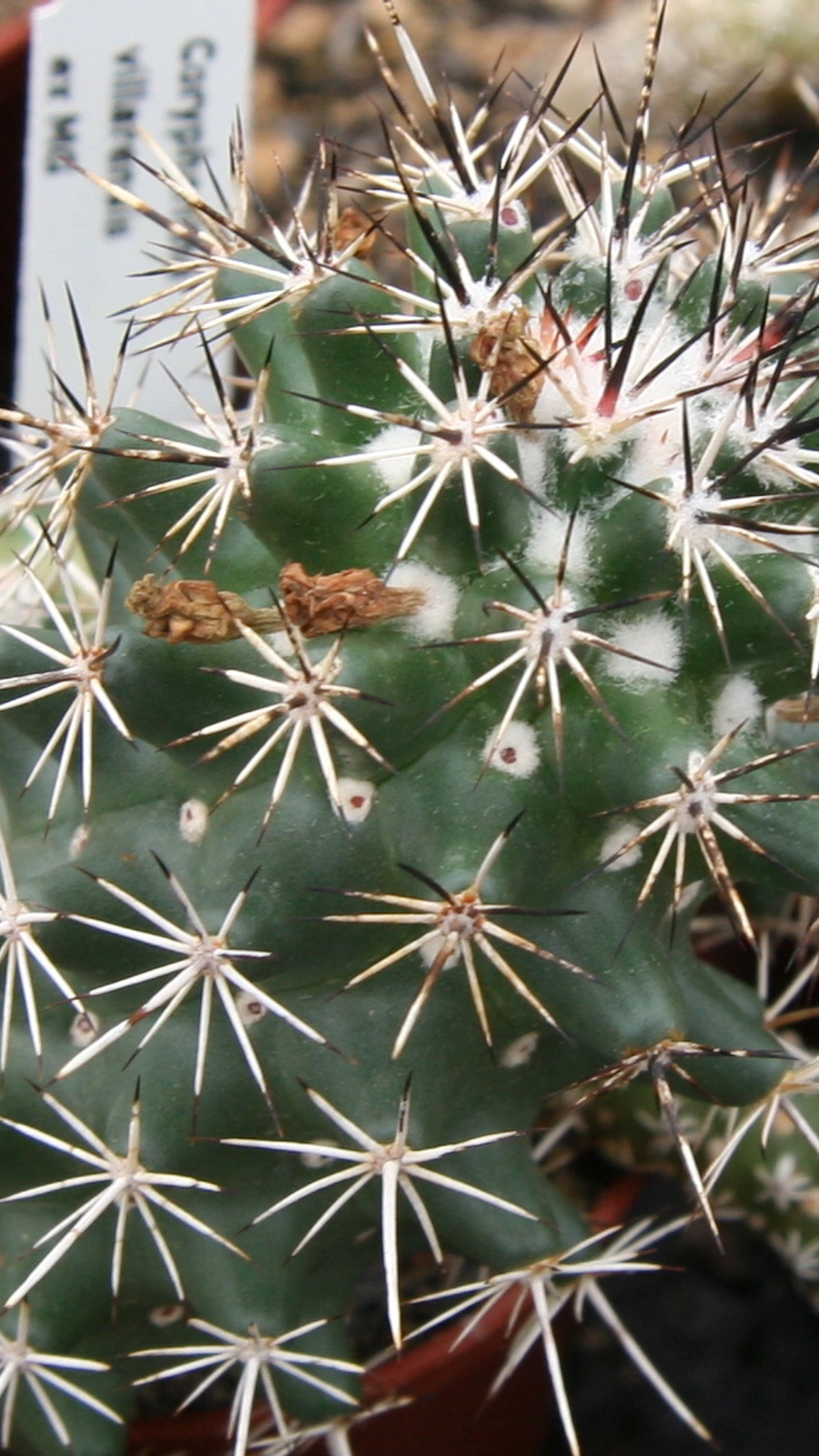
Coryphantha georgii is a distinctive succulent subshrub cactus belonging to the family Cactaceae. Well-known among succulent enthusiasts, this species is highly valued for its geometric tubercle arrangement and robust spine clusters, displaying perfect adaptations to arid desert environments 1.
Classified under the genus Coryphantha, this species exhibits the classic 'beehive' look. It is distinguished from Mammillaria by the characteristic longitudinal grooves present on the upper surface of its mature tubercles, a key taxonomic feature of the genus 2.
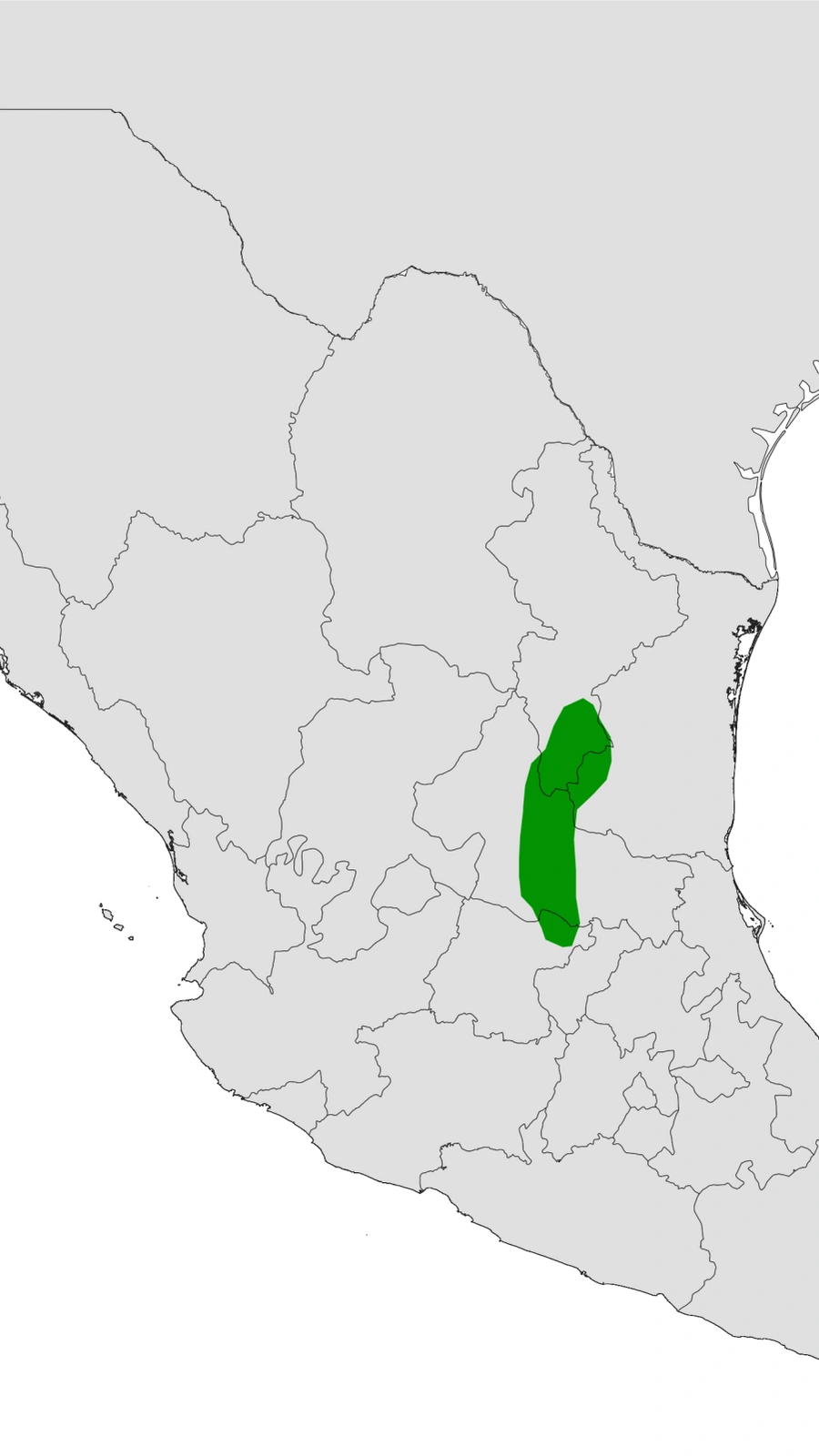
Native to northern and central Mexico, its distribution spans across Aguascalientes, San Luis Potosí, Querétaro, Zacatecas, Durango, and Hidalgo. It typically thrives in semi-arid matorral habitats, gravelly limestone slopes, and rocky crevices where it receives partial shade from nurse plants 1.
The stem is mostly solitary, globose to short-cylindrical, with a woolly apex. It features prominent, spirally arranged tubercles. Radial spines are needle-like, radiating outwards, while the central spines are stouter and darker. The funnel-shaped flowers appear in summer near the stem tip, boasting pale yellow, cream, or light pinkish hues.
In cultivation, Coryphantha georgii requires an exceptionally gritty, mineral-based substrate with minimal organic matter. It demands strong indirect sunlight and strict dry periods during winter, during which it can tolerate brief sub-zero temperatures if kept dry 2.
Overwatering and the use of dense, peat-heavy soils are the leading causes of root rot. Inadequate ventilation combined with cold, damp air in winter can quickly lead to fungal attacks and tissue collapse.
Thrives in bright, indirect sunlight or filtered sun. Protect from scorching afternoon sun.
Allow soil to dry out 100% between waterings. Suspend watering entirely during winter.
Extremely porous mineral substrate composed of pumice, grit, and coarse sand.
Features sharp, rigid spines. Handle with thick gloves and keep away from pets.
Moderately easy for experienced growers who can strictly regulate watering and soil moisture.
Naturally distributed across the high-altitude semi-deserts and rocky limestone slopes of states like San Luis Potosí, Durango, and Zacatecas in Mexico.
