
Light
Bright Indirect Light
Requires at least 6 hours of direct sunlight or very bright indirect light; insufficient light leads to etiolation.
 Reference image
 Reference image
Gland-bearing Coryphantha
Coryphantha glanduligera is a small to medium-sized succulent subshrub belonging to the Cactaceae family 1. It is highly distinguished by its prominent nectar-secreting glands located in the axils of its tubercles.
The species name glanduligera is derived from the Latin for 'bearing glands', describing the active secretory structures situated at the base of the areoles 2. Taxonomic synonyms include Cactier glanduliger and Coryphantha bergeriana.
Native to the northern and central states of Mexico (including Coahuila, Nuevo León, San Luis Potosí, Zacatecas, Durango, and Tamaulipas) 1. It typically thrives on limestone slopes, dry shrublands, and desert grasslands at elevations of 1000 to 2400 meters above sea level 3.
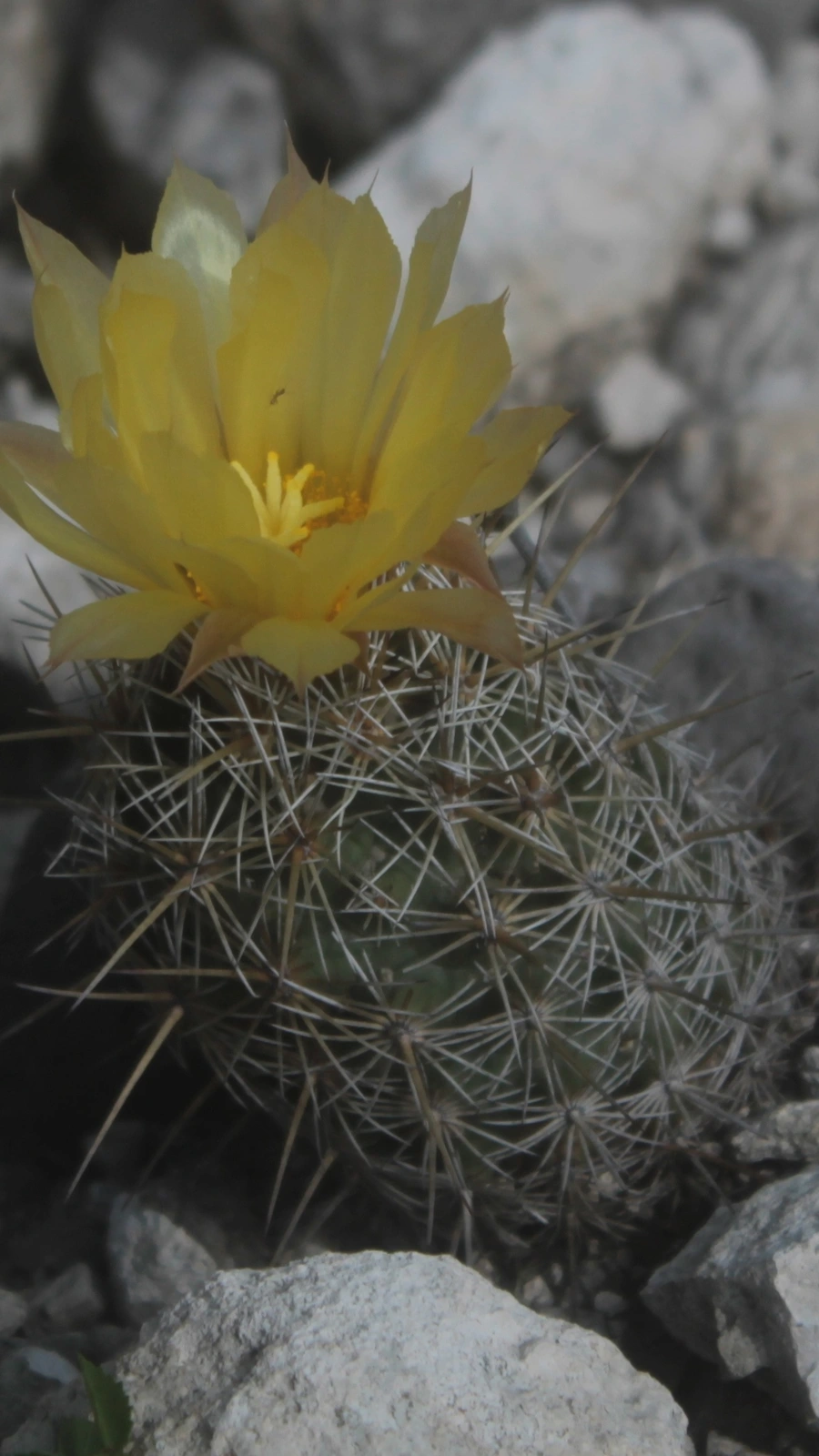
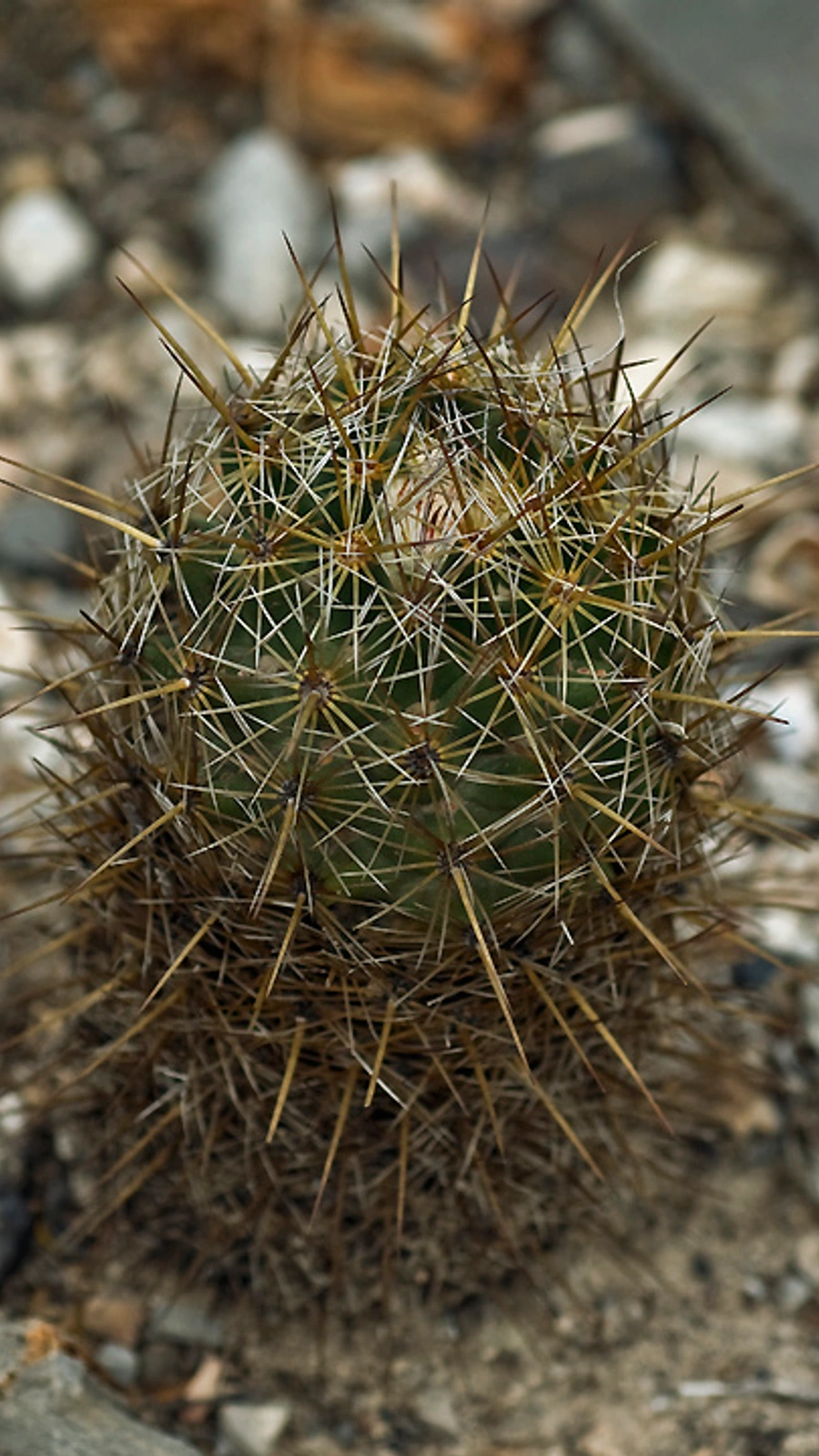
The stem is globose to short-cylindrical, dark bluish-green, with prominent pyramidal tubercles. Central and radial spines are strong, yellowish-brown with darker tips. Large, showy, bright yellow flowers emerge from the apex of mature stems during summer, followed by green, fleshy fruits.
Successful cultivation requires maximum light exposure and extremely porous substrate. Water should be applied only when the growing medium has dried out completely. Overwatering in dense soils is highly detrimental and triggers root rot 2. During winter, the plant enters dormancy and requires dry conditions.
The most common error is watering during winter dormancy or placing the plant in poorly draining soil. Without proper air circulation and dry soil, the roots easily succumb to fungal rot.
Requires at least 6 hours of direct sunlight or very bright indirect light; insufficient light leads to etiolation.
Water only after the soil dries out completely in summer, and keep absolutely dry in winter to prevent rot.
Needs a highly mineralized, gritty cactus mix with pumice, grit, and a touch of limestone.
Non-toxic to humans and pets, but the sharp spines pose a physical hazard; handle with care.
Moderate. Requires strict adherence to seasonal watering schedules and correct soil formulation.
Endemic to the arid, rocky slopes and limestone-rich desert terrains of northern and central Mexico, growing in dry shrublands.
