
Light
Bright Indirect Light
Requires bright indirect light or filtered morning sun. Protect from intense afternoon sun to prevent scorching.
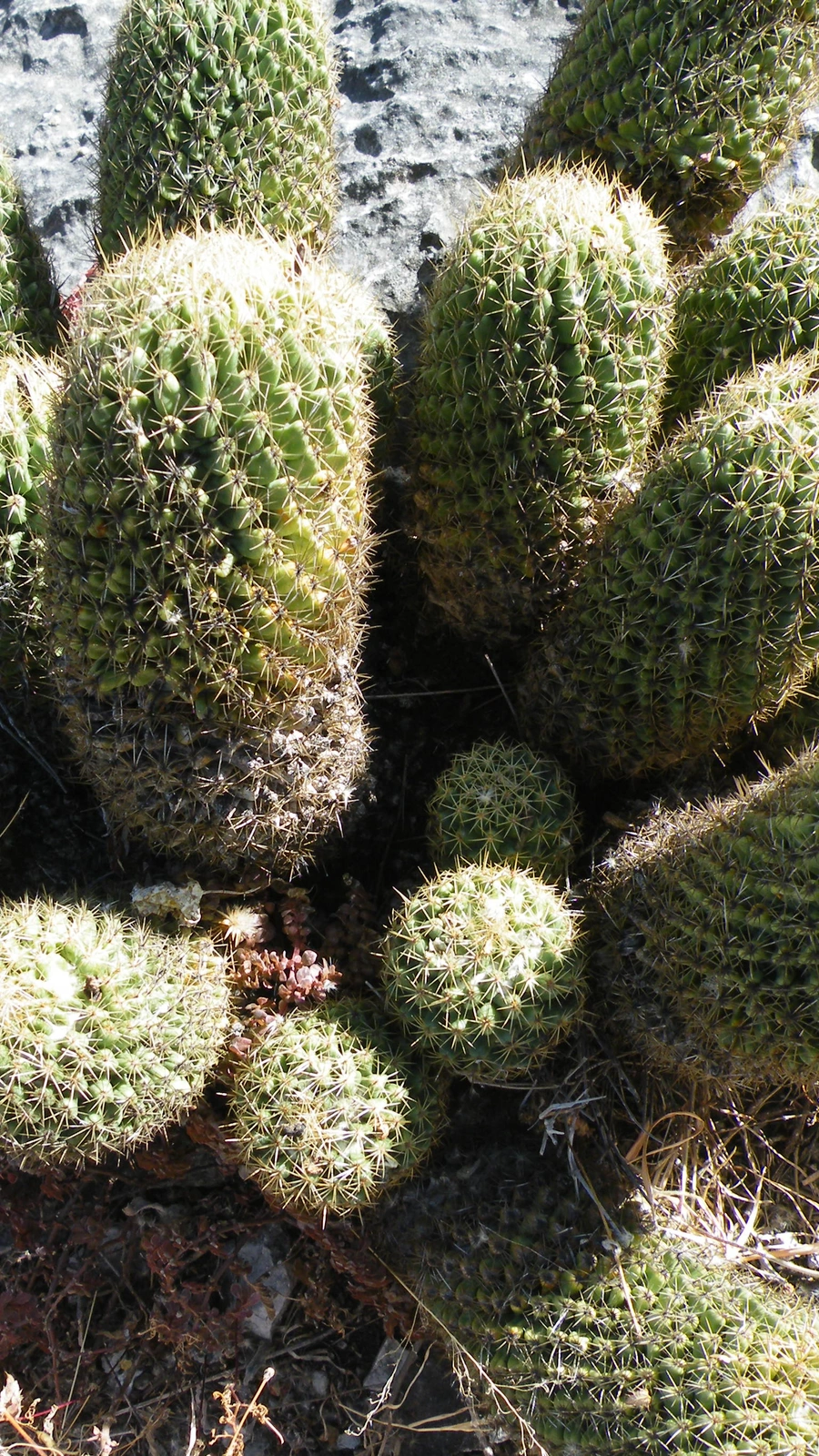 Reference image
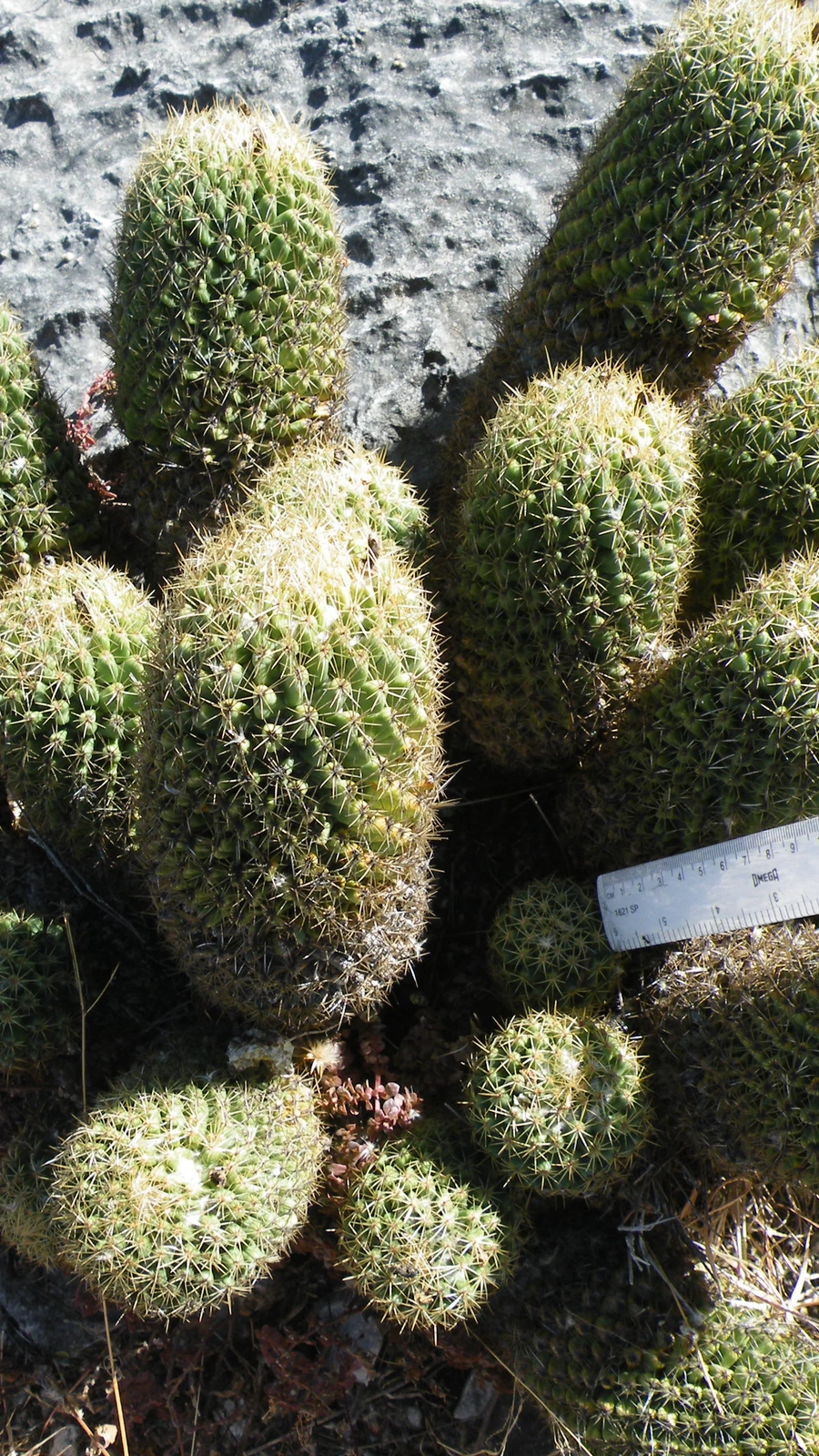 Reference image
Glass's Coryphantha
Coryphantha glassii is a rare and highly sought-after cactus species belonging to the family Cactaceae. Endemic to the arid regions of Mexico, this succulent subshrub forms attractive small clumps with distinct tubercles and intricate spine patterns.
The genus name Coryphantha is derived from the Greek words for 'top' and 'flower', referring to the characteristic apical flowering zone 1. The specific epithet glassii honors the prominent American botanist and cactus explorer Charles Edward Glass, who contributed significantly to Mexican succulent research 2.
This species is native to the Chihuahuan desert and surrounding dry shrublands of central-northern Mexico. It is predominantly found in states like San Luis Potosí, Guanajuato, and Zacatecas, thriving on limestone hillsides and rocky outcrops 1.
The stem is globose to short-cylindrical, dark green, covered in prominent spiral tubercles. The areoles bear numerous fine radial spines that are grayish-white, creating a dense, protective netting around the plant body. Flowers are pale yellow to cream-colored and arise from the crown.
In cultivation, it requires an extremely porous mineral-based substrate with excellent drainage. Watering should follow a strict 'soak and dry' method, as the root system is highly vulnerable to excess moisture 2. During winter, it must be kept dry and cool to encourage dormancy.
The most frequent error is overwatering during the winter rest period or using organic-heavy soils that retain moisture. Inadequate light exposure leads to etiolation, where the plant loses its spherical shape and stretches weakly.
Requires bright indirect light or filtered morning sun. Protect from intense afternoon sun to prevent scorching.
Water deeply only when soil is completely bone-dry in summer. Keep absolutely dry in winter.
Use a grit-heavy mix composed of pumice, lava rock, limestone gravel, and minimal organic matter.
Non-toxic to pets, but the sharp spines pose a physical injury hazard; handle with care.
Moderate. Demands precise watering and excellent drainage to prevent sensitive root rot.
Native to the dry limestone slopes and high-elevation desert scrublands of San Luis Potosí, Coahuila, Zacatecas, and Guanajuato in Mexico, where it grows in rocky crevices.
