
Light
Bright Indirect Light
Requires bright, filtered sunlight; protect from intense midday direct sun.
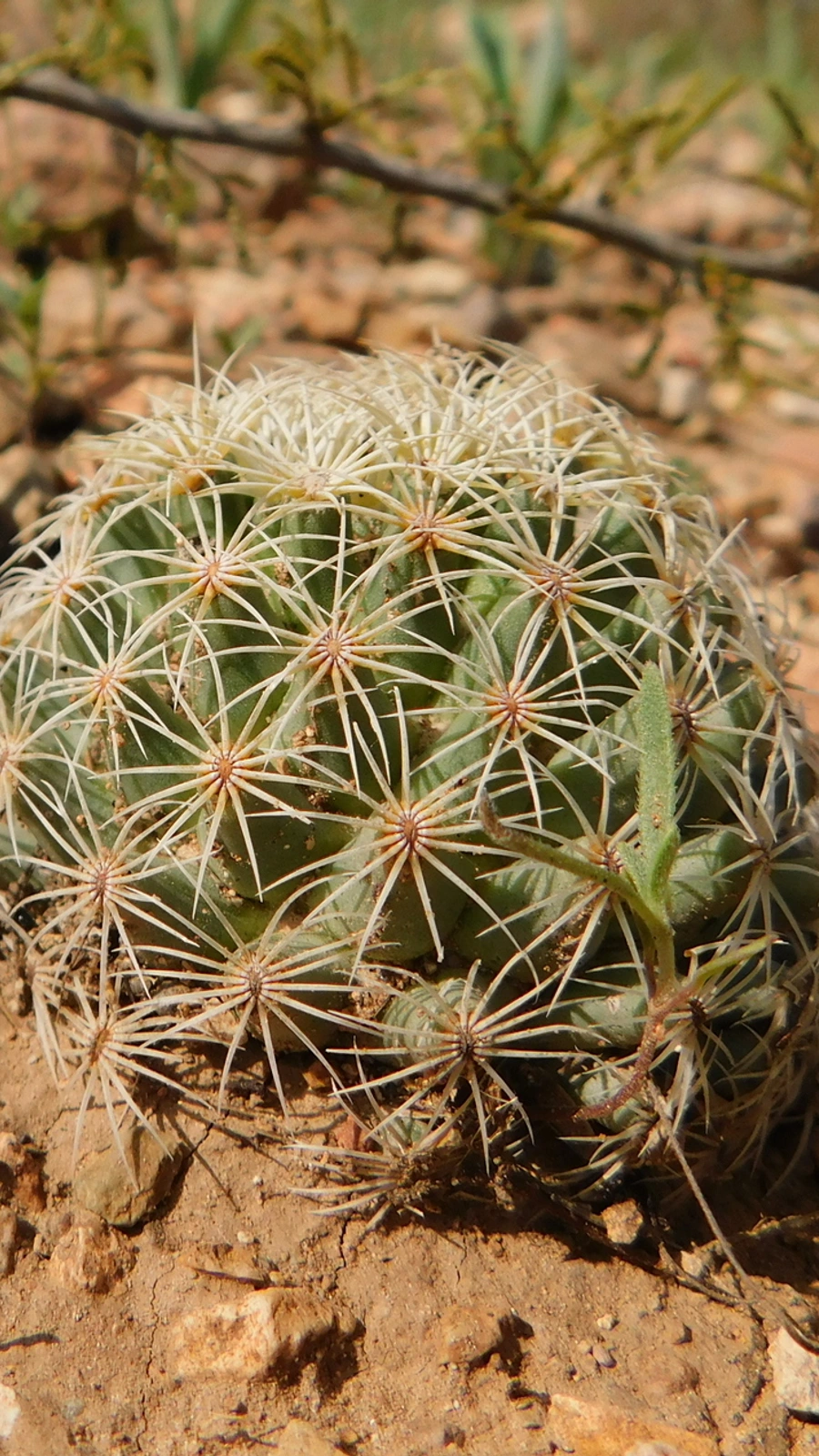 Reference image
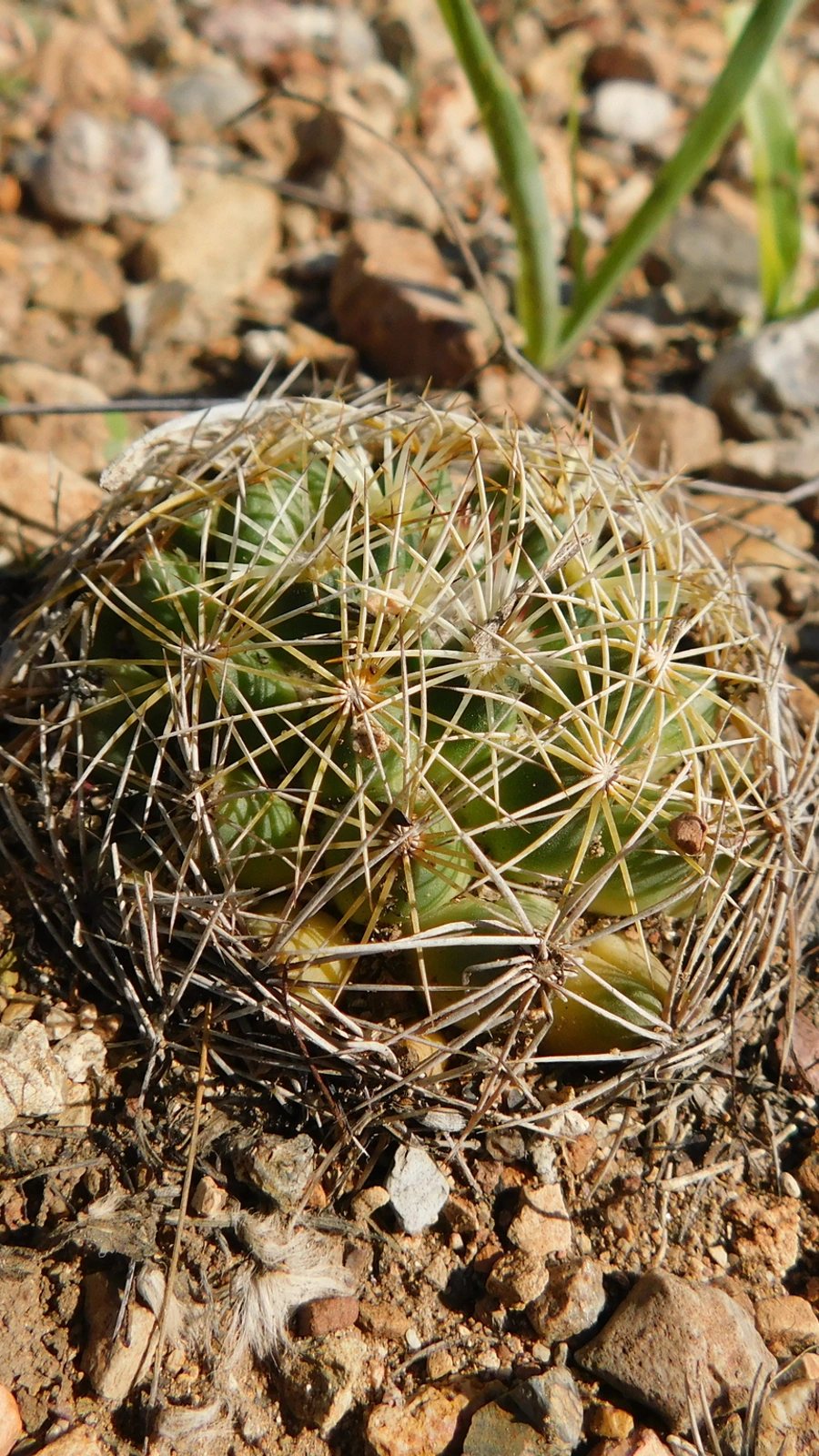 Reference image
Slender Coryphantha
Coryphantha gracilis is a small, globose to cylindrical cactus belonging to the Cactaceae family. Known for its elegant spine arrangement and delicate appearance, this succulent subshrub is highly valued by succulent enthusiasts and collectors worldwide.
Belonging to the genus Coryphantha, the species was classified based on its distinctive morphological traits 1. The genus name is derived from the Greek words 'koryphe' (summit) and 'anthos' (flower), referring to the characteristic apical flowering. The specific epithet 'gracilis' translates to slender or graceful, highlighting its elegant build.
This species is native to Mexico, particularly across the dry northern and central regions including Durango, Coahuila, Hidalgo, and San Luis Potosí 2. It thrives in desert or dry shrubland biomes, often found on limestone hills, rocky slopes, and tucked under the shade of desert shrubs.
The plant body is typically solitary, globose, and covered in distinct tubercles. The areoles bear delicate, needle-like radial spines that form a protective, cage-like pattern around the stem. During the warm summer months, it produces beautiful, pale yellow to cream-colored flowers from the plant's apex.
Coryphantha gracilis requires a very porous soil medium with excellent drainage. It thrives under bright, filtered sunlight and moderate summer watering. During the winter dormancy, watering must be completely withheld to prevent root loss due to cold and moisture.
The most critical mistake in growing this species is overwatering, especially during the cold winter months, which quickly leads to root rot. Additionally, growing the plant in insufficient light leads to etiolation, stretching, and weakened spines.
Requires bright, filtered sunlight; protect from intense midday direct sun.
Water only when the substrate is completely dry. Keep dry in winter.
Needs a highly mineral substrate with pumice and coarse sand for fast drainage.
Equipped with delicate spines that can puncture skin. Non-toxic to domestic pets.
Moderately easy, though sensitive to moisture accumulation and prone to rot if overwatered.
Native to the high-elevation arid deserts and shrublands of northern and central Mexico, where it grows in mineral-rich limestone soils.
