
Light
Full Sun
Requires full sun or very bright direct light to prevent stretching.
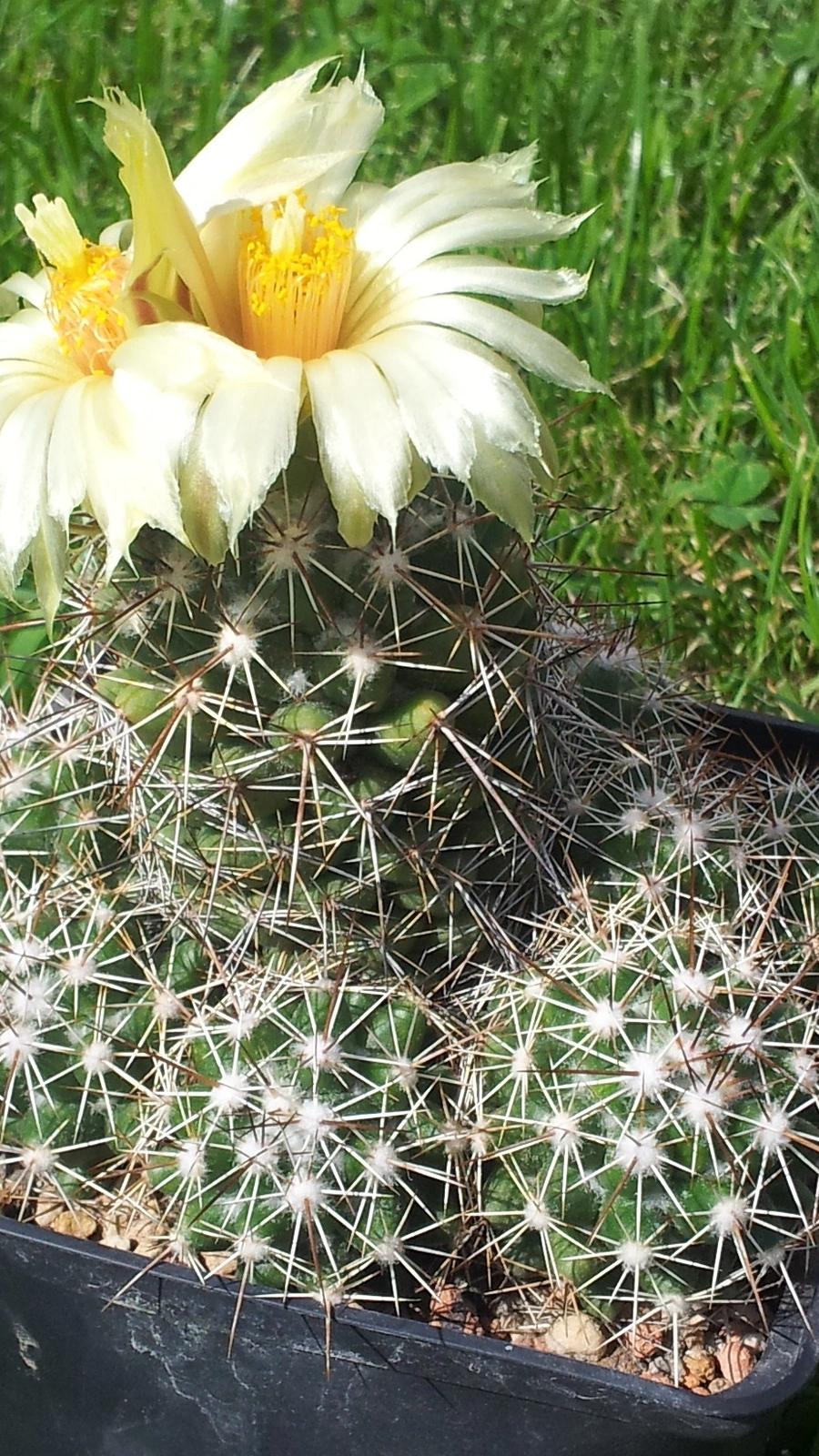 Reference image
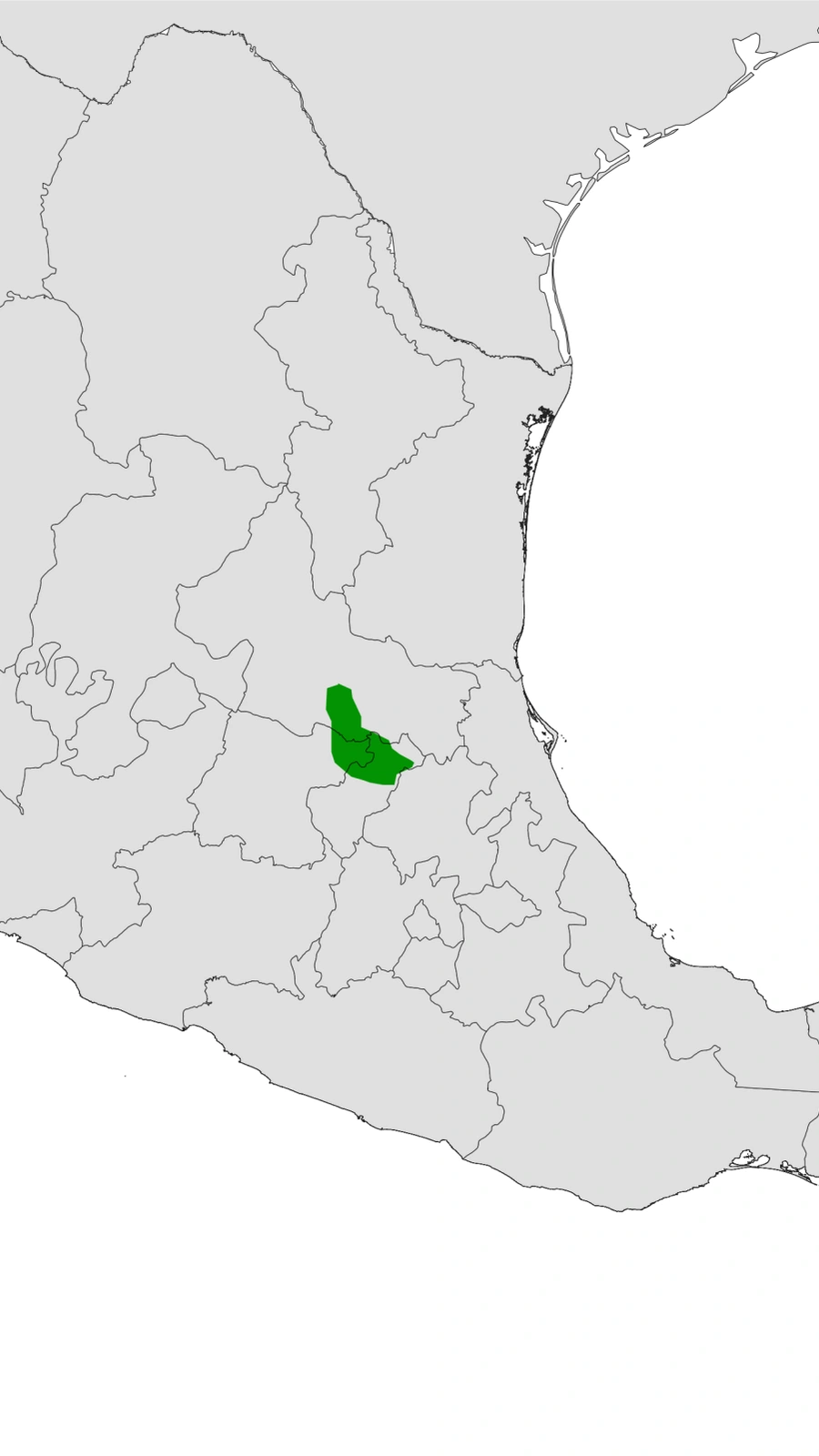 Reference image
Jalpan Beehive Cactus
Coryphantha jalpanensis is a fascinating, slow-growing succulent subshrub belonging to the Cactaceae family, known for forming attractive dense clumps over time in arid environments.
The species is named after the town of Jalpan in Querétaro, Mexico, where it was originally collected 1. The genus name Coryphantha is derived from Greek words meaning 'flowering on the summit', referencing its apical bloom habit 2.
Native to Mexico, specifically within the states of Querétaro, San Luis Potosí, and Hidalgo 1. It thrives on rocky limestone hillsides, semi-desert scrublands, and dry slopes at moderate to high elevations.
The stems are spherical to short cylindrical, featuring prominent tubercles tipped with clusters of needle-like, grayish-yellow spines. The apex is covered in whitish wool, from which large, funnel-shaped yellow flowers emerge in late spring 2.
It requires a well-drained mineral substrate and bright, direct sunlight to maintain its compact shape and promote flowering. Water thoroughly but infrequently during the growing season, and keep completely dry in winter.
Overwatering during the winter dormancy is the leading cause of root rot. Lack of adequate sunlight leads to etiolation, causing the cactus to stretch and weaken.
Requires full sun or very bright direct light to prevent stretching.
Allow soil to dry out completely. Keep completely dry in winter.
Requires porous, gritty mineral mixes with excellent drainage.
Sharp spines can cause physical injury. Handle with care and keep away from pets.
Moderate; very forgiving if kept dry, but highly sensitive to overwatering.
Found naturally on rocky limestone outcrops and dry shrublands of central Mexico, well-adapted to high-altitude arid climates.
