
Light
Full Sun
Requires full sun, ideally a south-facing window with at least 6 hours of direct sunlight.
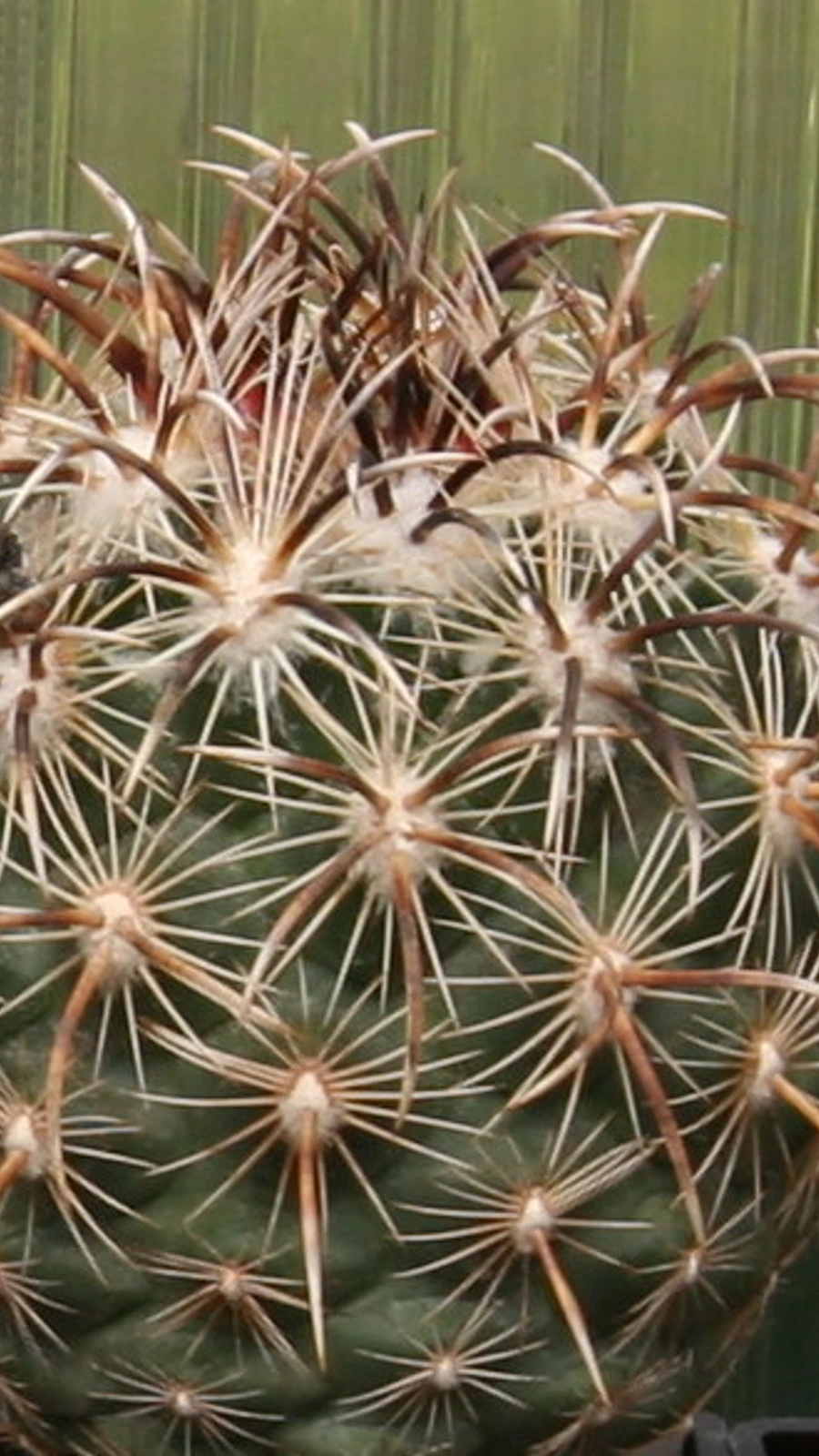 Reference image
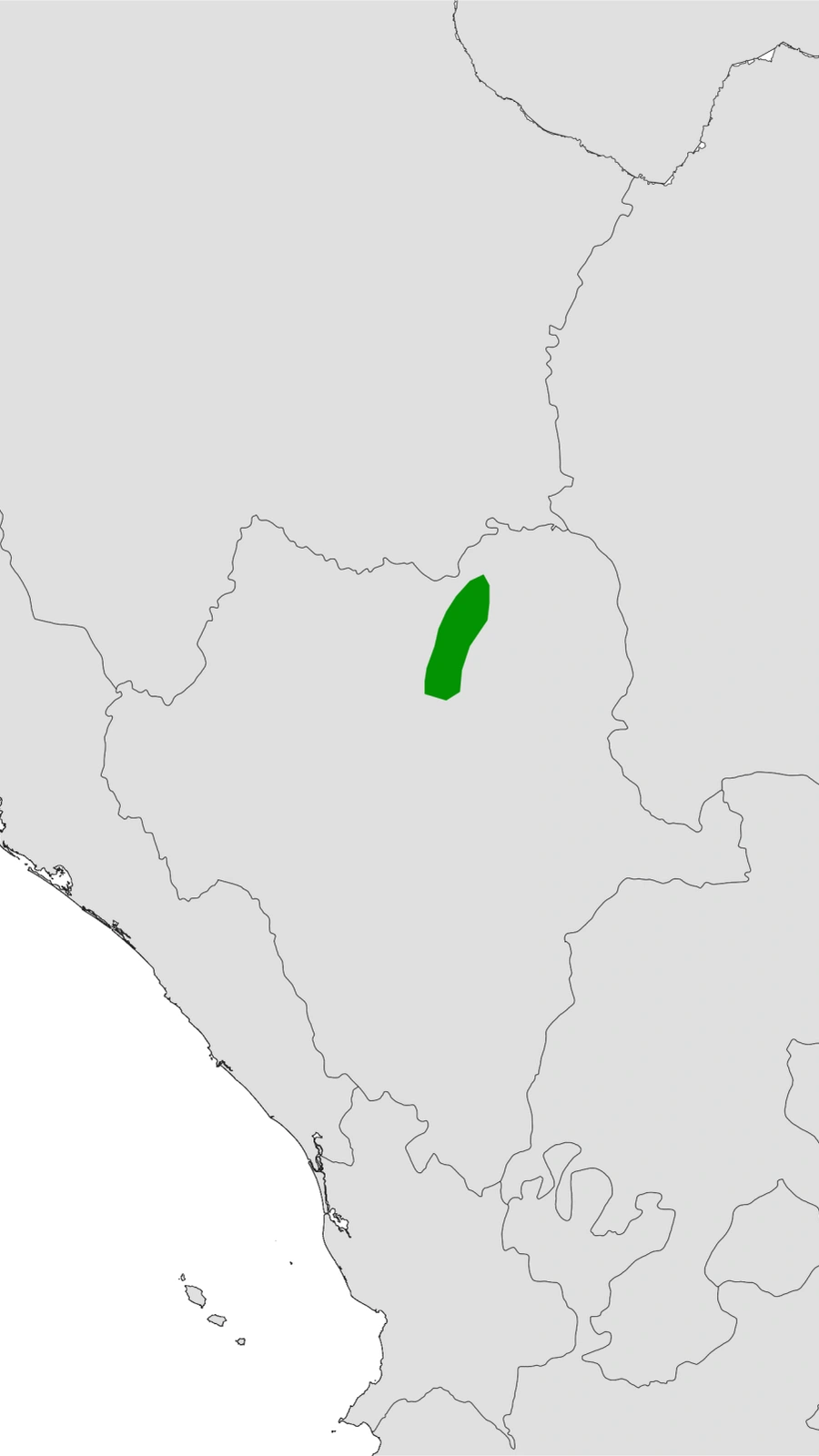 Reference image
Kracik's Beehive Cactus
Coryphantha kracikii is a rare and highly sought-after cactus species within the family Cactaceae 1. Known for its robust, globose body and heavily armored spine cluster, this succulent subshrub is a classic representative of desert survival and slow-growing ornamental flora.
Belonging to the genus Coryphantha, the species was named to honor the Czech cactus enthusiast and collector Josef Kracik 2. While taxonomically close to Coryphantha poselgeriana, it maintains distinct identity due to its unique central spine arrangement and floral characteristics.
This species is native to the dry shrublands and rocky slopes of northern Mexico, particularly in Durango, Zacatecas, and Coahuila 1. It thrives in calcareous, nutrient-poor soils under intense sunlight, enduring extreme temperature fluctuations.
The stem is solitary, globose to shortly cylindrical, with a grayish-green hue. It features pronounced tubercles arranged in spirals. Strong, curved central spines emerge from the woolly aeroles, providing shade and protection. In summer, it produces large, striking pale yellow to cream-colored flowers at the apex 2.
In cultivation, Coryphantha kracikii demands full sun and an extremely mineral-rich substrate. Watering should strictly follow the 'soak and dry' method during the active spring and summer growth. It requires a completely dry winter dormancy to survive cold temperatures.
The most prevalent issue is root rot induced by organic-heavy soils and overwatering 1. Insufficient light leads to etiolation, where the cactus loses its compact globose form and fails to develop strong spines.
Requires full sun, ideally a south-facing window with at least 6 hours of direct sunlight.
Use the soak-and-dry method. Suspend all watering during the cold winter months.
Must be potted in a fast-draining, mineral-heavy substrate with plenty of pumice and grit.
Non-toxic, but the sharp, heavy spines pose a physical hazard to pets and children.
Moderate. Easy if you avoid overwatering and provide sufficient sunlight.
Found natively across the high-elevation desert plains of northern Mexico, growing among limestone rocks and scrub vegetation.
