
Light
Filtered Sun
Prefers bright, filtered sunlight; direct midday summer sun might cause scorching in hot climates.
 Reference image
 Reference image
Long-Horned Beehive Cactus
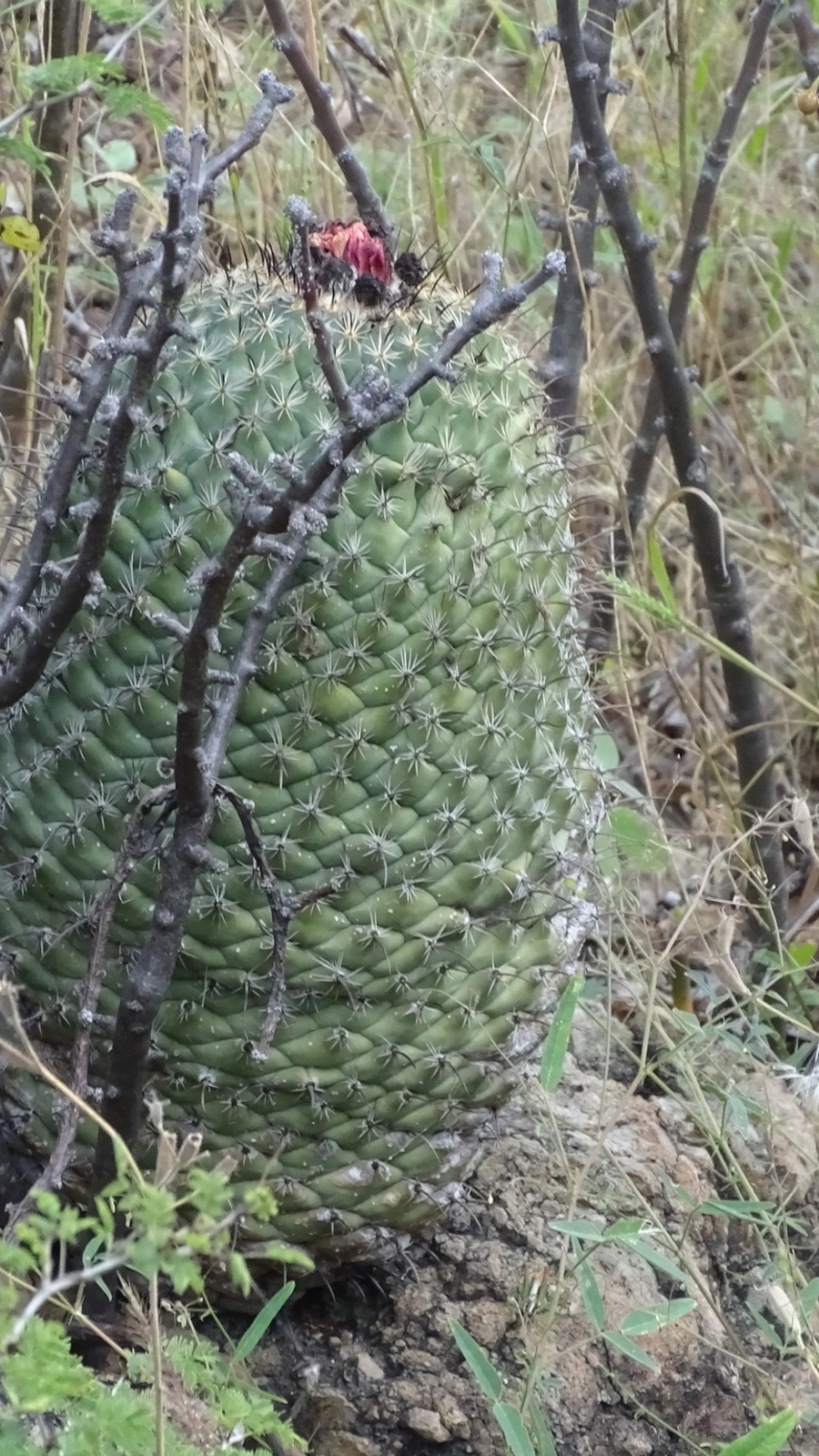
Coryphantha longicornis, commonly referred to under its scientific name or related to beehive cacti, is a distinctive, globose succulent belonging to the Cactaceae family. This species is highly valued by succulent enthusiasts for its striking, horn-like central spines and beautiful bright yellow summer blooms 1.
The species was historically described by George Engelmann and later systematically placed in the genus Coryphantha. The specific epithet "longicornis" translates to "long-horned" in Latin, which directly references the prominent, curved central spines that emerge from its areoles 2.
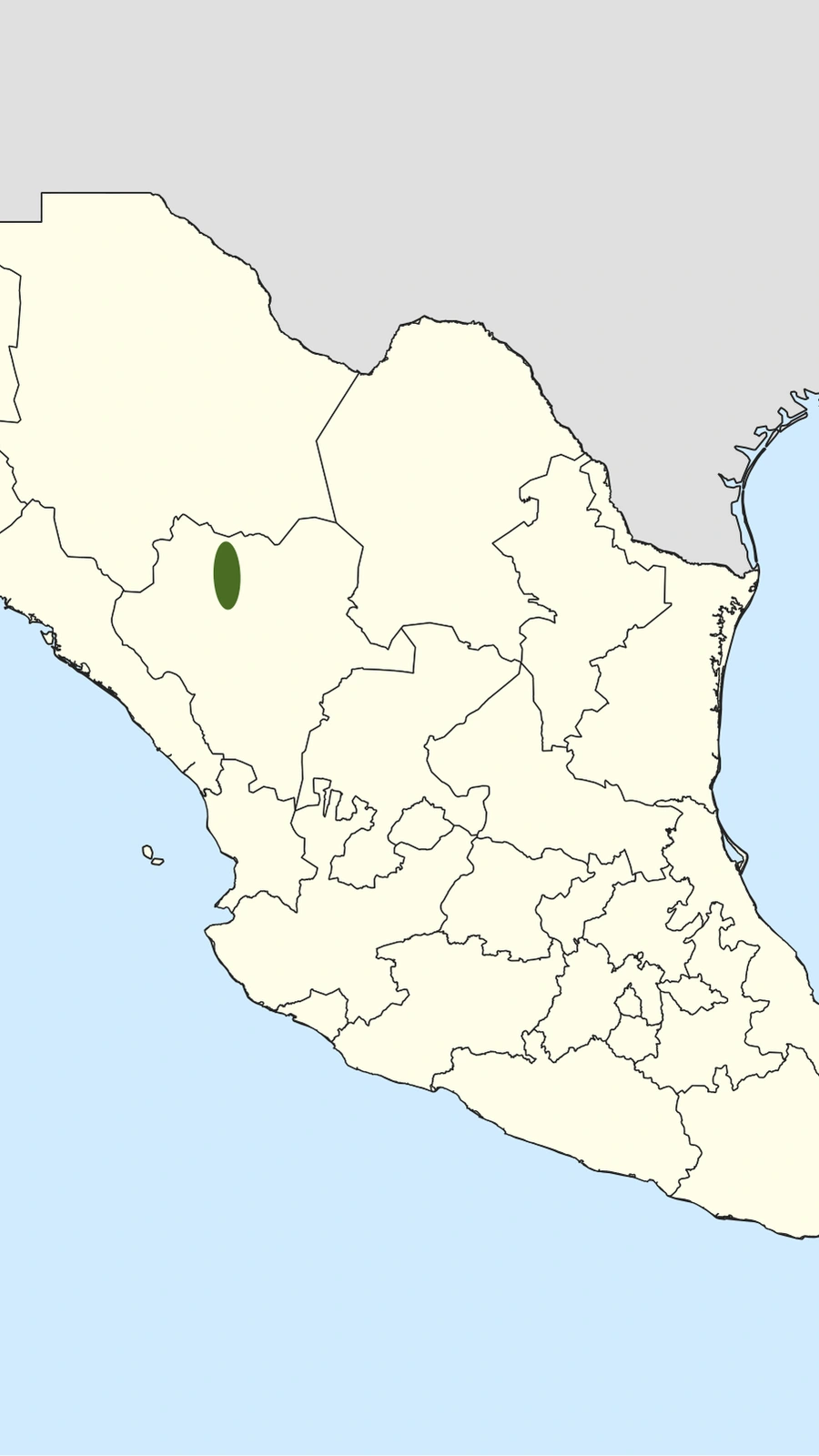
Coryphantha longicornis is endemic to Northern Mexico, particularly within the states of Durango and Coahuila. It thrives in arid desert biomes and dry shrublands, typically growing on limestone hills, rocky slopes, and gravelly soils at elevations ranging between 1200 and 2000 meters above sea level 1.
The plant features a solitary, dark green globose to cylindrical stem with prominent tubercles. Its identifying feature is the set of gray-to-brownish central spines, which are unusually long and strongly curved downwards like miniature horns. During mid-to-late summer, it produces large, attractive yellow funnelform flowers at its apex 2.
In cultivation, this cactus requires plenty of filtered sun to direct sunlight. It demands extremely well-draining, mineral-dominant soil rich in pumice, coarse sand, and perlite. Watering should follow a soak-and-dry method during spring and summer, while transitioning to complete dryness during its winter dormancy 1.
The most common mistake is overwatering, especially during the cold winter months, which quickly leads to root rot. Insufficient light exposure will cause the stem to etiolate, stretching unnaturally and weakening the plant's spine structure.
Prefers bright, filtered sunlight; direct midday summer sun might cause scorching in hot climates.
Water thoroughly only when the soil is 100% dry. Maintain a strict dry spell in winter.
Highly porous mineral mix consisting of pumice, gravel, and minimal organic compost.
Armed with very sharp and stiff curved spines. Handle with gloves and keep away from pets.
A resilient species that is easy to manage as long as overwatering is avoided.
Occurs natively on limestone-rich hillsides, gravelly slopes, and dry shrublands of the Chihuahuan desert region in northern-central Mexico.
