
Light
Bright Indirect Light
Requires 4-6 hours of bright, filtered sunlight; protect from harsh afternoon sun.
 Reference image
 Reference image
Maiz-Tablas Pincushion
Coryphantha maiz-tablasensis is a slow-growing, highly sought-after cactus species belonging to the family Cactaceae. Due to its limited distribution and habitat loss, it is considered vulnerable in the wild 1.
The species name refers to its discovery sites in San Luis Potosí, Mexico: 'Maiz' and 'Las Tablas' 2. Within the genus Coryphantha, it is characterized by its flattened, globose shape and distinct tubercular structure.
Endemic to Mexico, specifically the state of San Luis Potosí, this succulent subshrub inhabits dry shrublands and limestone plains 1. It typically grows under the protective canopy of desert grasses and small shrubs at elevations of 1,000 to 1,500 meters.
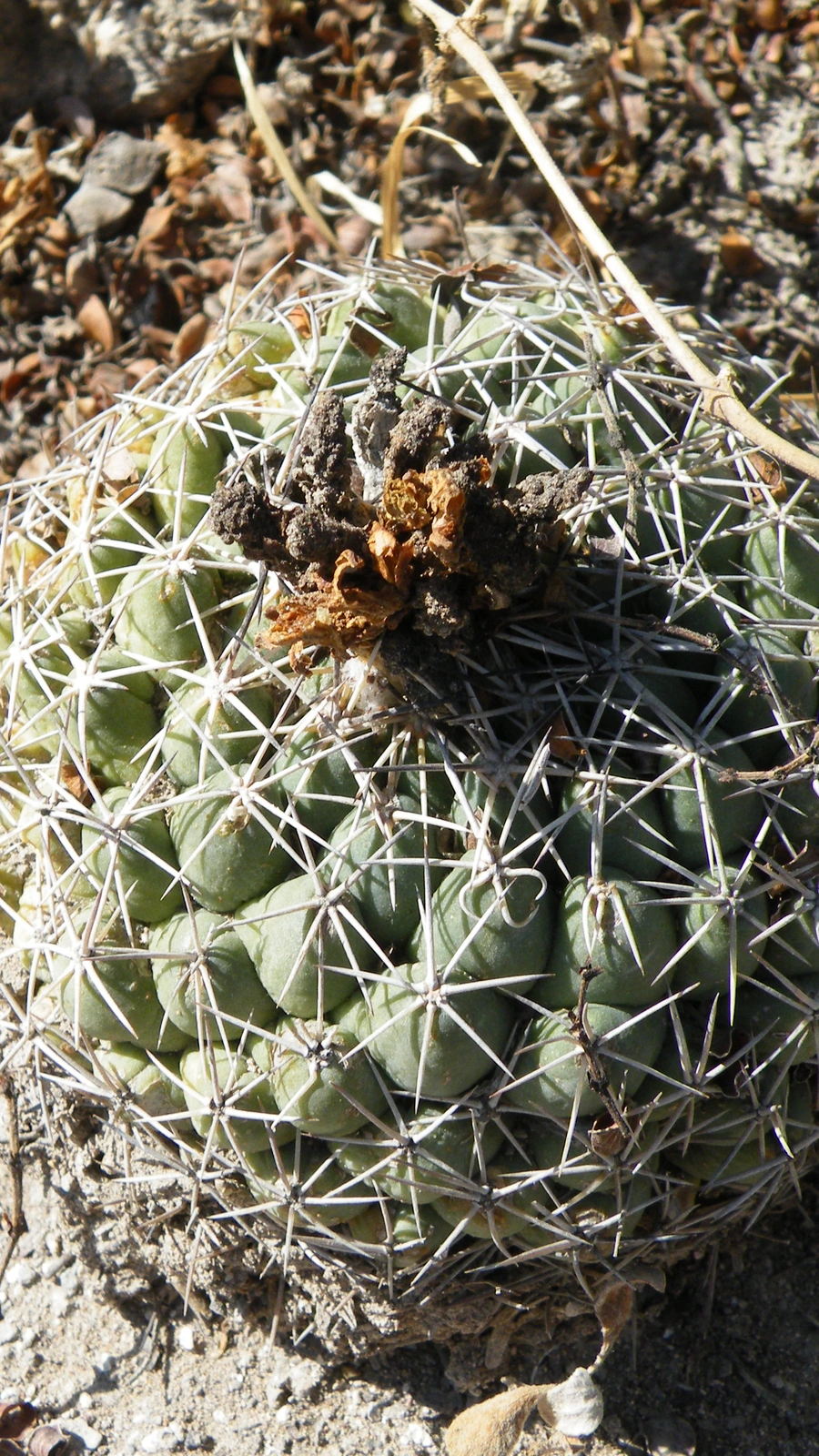
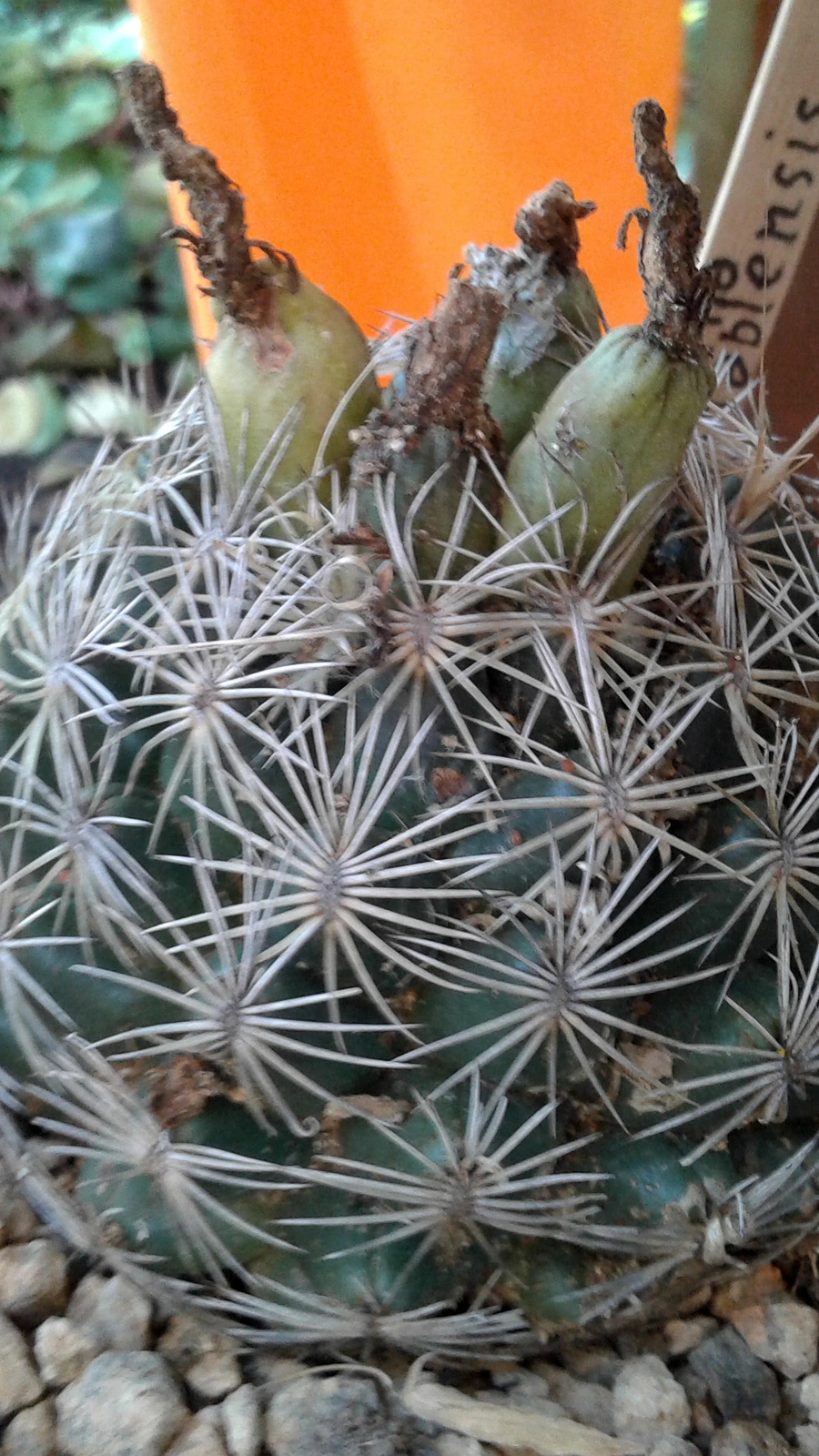
The stem is solitary, globose to somewhat depressed, and dull blue-green in color. The tubercles are broad, low, and somewhat flattened on top. Spines are few, relatively short, and appressed against the body. In summer, large, pale yellow to cream-colored flowers emerge from the plant's apex 2.
It requires a highly porous, mineral-rich substrate with excellent drainage. Watering should be done thoroughly during the active spring and summer growth phases, only when the soil is completely dry. In winter, the plant must be kept dry and cool to encourage dormancy.
Overwatering and poorly draining soil are the primary causes of root rot and plant loss 2. Insufficient light leads to etiolation, causing the naturally globose stem to stretch and weaken.
Requires 4-6 hours of bright, filtered sunlight; protect from harsh afternoon sun.
Allow soil to dry out completely between waterings; suspend watering entirely in winter.
Use a mineral-heavy mix with plenty of pumice, grit, and limestone chips.
Non-toxic to pets, but has sharp spines that can cause minor physical injury.
Moderate; susceptible to overwatering, but straightforward under correct watering regimes.
Naturally occurring in the semi-arid desert regions of San Luis Potosí, Mexico, growing in limestone-rich soils under the shade of low shrubs.
