
Light
Direct Sun
Requires full, direct sun; insufficient light leads to pale etiolation.
 Reference image
 Reference image
Neglected Beehive Cactus
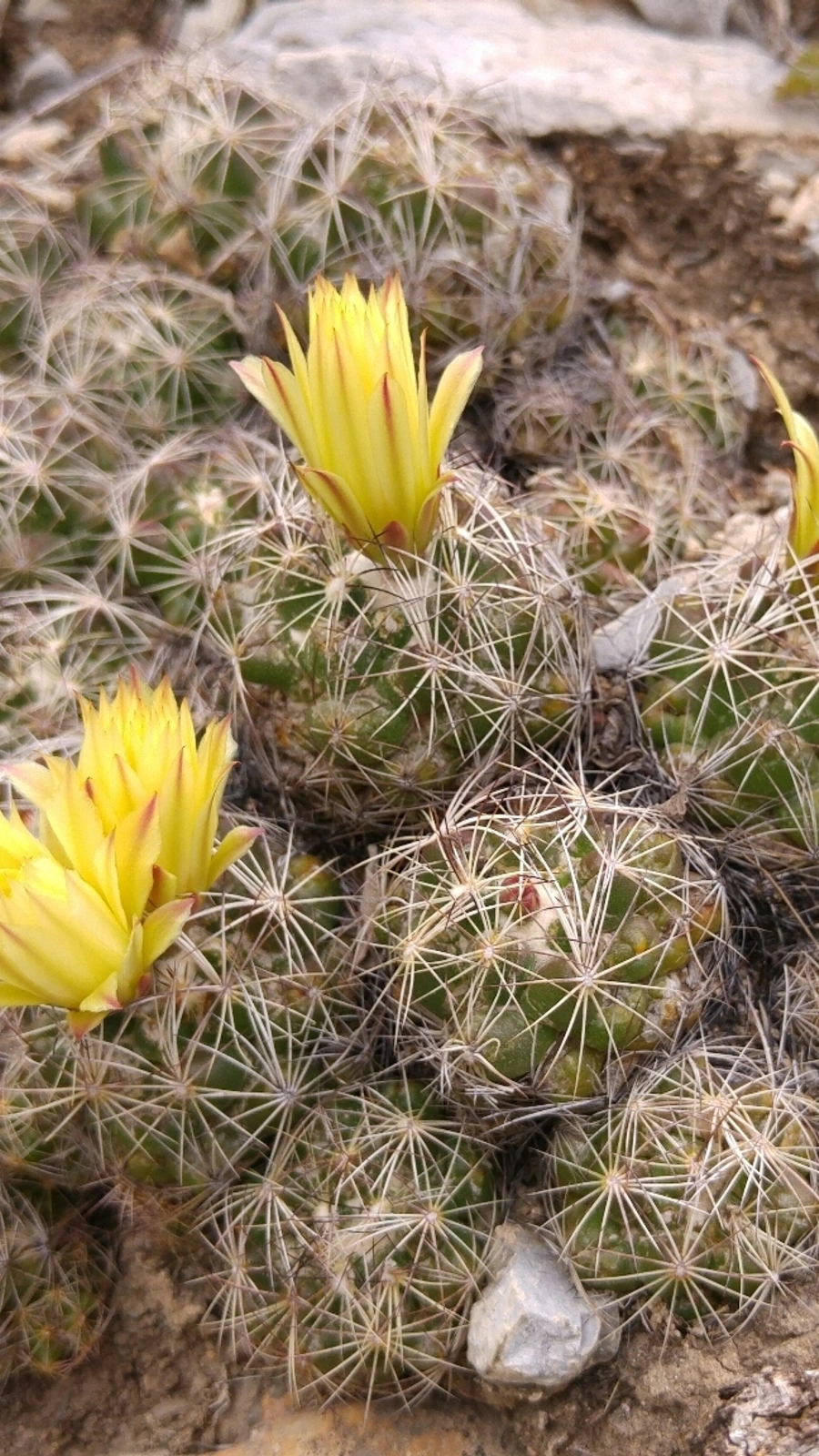
Coryphantha neglecta is a small, slow-growing globose cactus native to the arid expanses of Mexico. Known for its geometric tubercle arrangement and prominent spines, it is a prized species among cactus and succulent enthusiasts worldwide.
Belonging to the family Cactaceae, the genus name Coryphantha is derived from the Greek words 'koryphe' (summit) and 'anthos' (flower), referring to the apical flowering habit. The specific epithet 'neglecta' translates to 'neglected', referencing the species' long history of being overlooked or misidentified as related taxa before receiving official recognition 1.
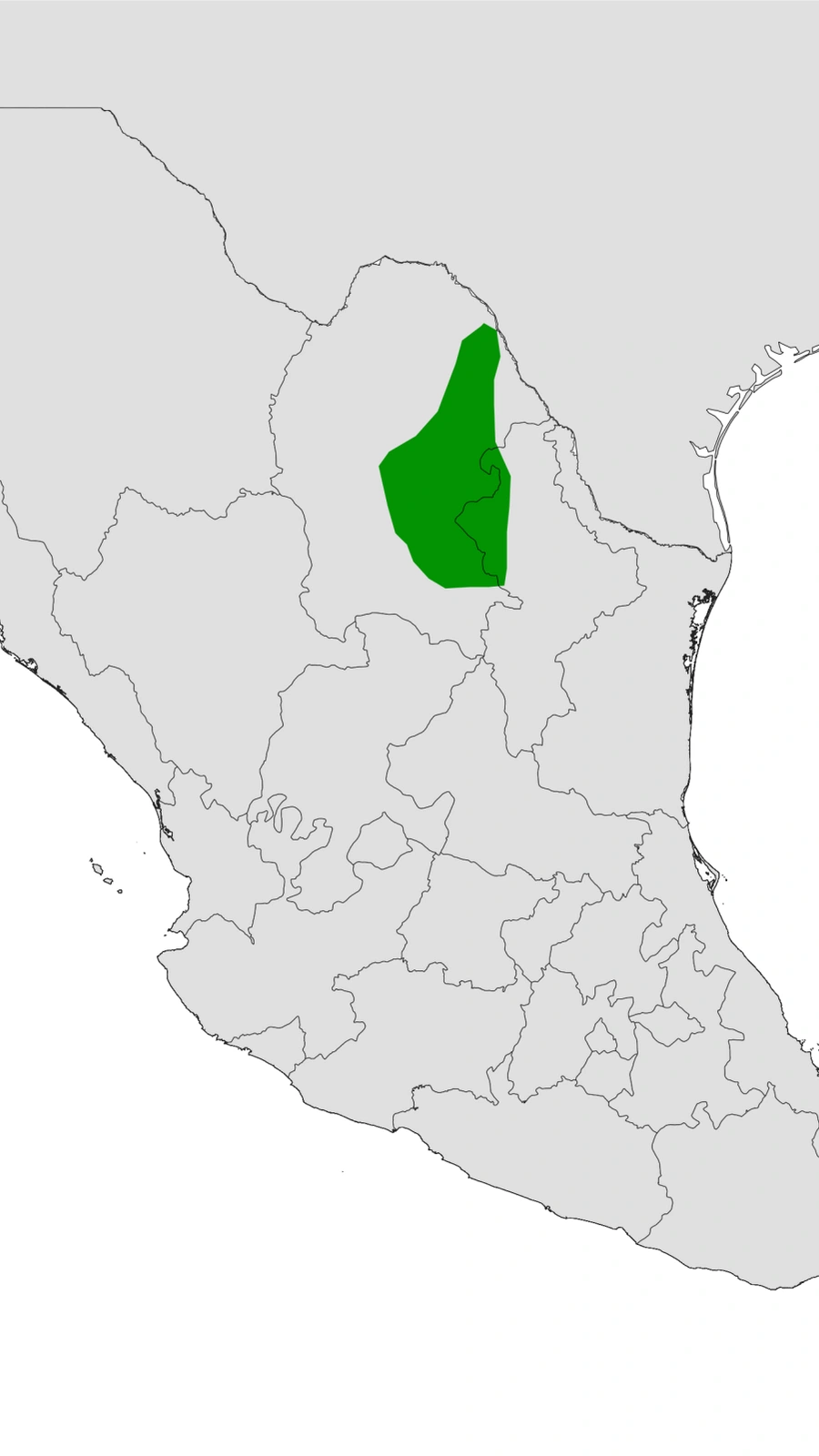
This species is primarily native to the Chihuahuan Desert and surrounding regions of northeastern Mexico, spanning states such as Coahuila, Nuevo León, and San Luis Potosí 2. It populates limestone hillsides, desert shrublands, and rocky slopes where drainage is immediate.
The plant body is globose to shortly cylindrical, with prominent spiraled tubercles that feature a distinctive groove along their upper side. Radial and central spines are stout, grayish-yellow to dark brown at the tips. In summer, it produces showy, bright yellow funnelform flowers from the woolly stem apex.
In cultivation, Coryphantha neglecta demands maximum solar exposure and exceptional air circulation. It thrives in an exclusively mineral-based substrate consisting of pumice, gravel, and limestone grit. When kept completely dry during winter dormancy, it can withstand brief sub-zero temperatures 1.
The most prevalent failure in growing this species is overwatering, particularly during the winter rest phase. Poorly drained, peat-heavy soils lead to rapid root rot. Lack of sufficient direct sunlight causes etiated, weak growth.
Requires full, direct sun; insufficient light leads to pale etiolation.
Water only after the substrate is dry. Keep completely dry in winter.
Highly porous mineral mix with limestone grit and no organic peat.
Armed with sharp spines; keep out of reach of children and pets.
Moderately easy if watering is strictly controlled and light is abundant.
Inhabits Chihuahuan Desert shrublands, rocky slopes, and limestone deposits of northeastern Mexico under harsh, semi-arid climatic conditions.
