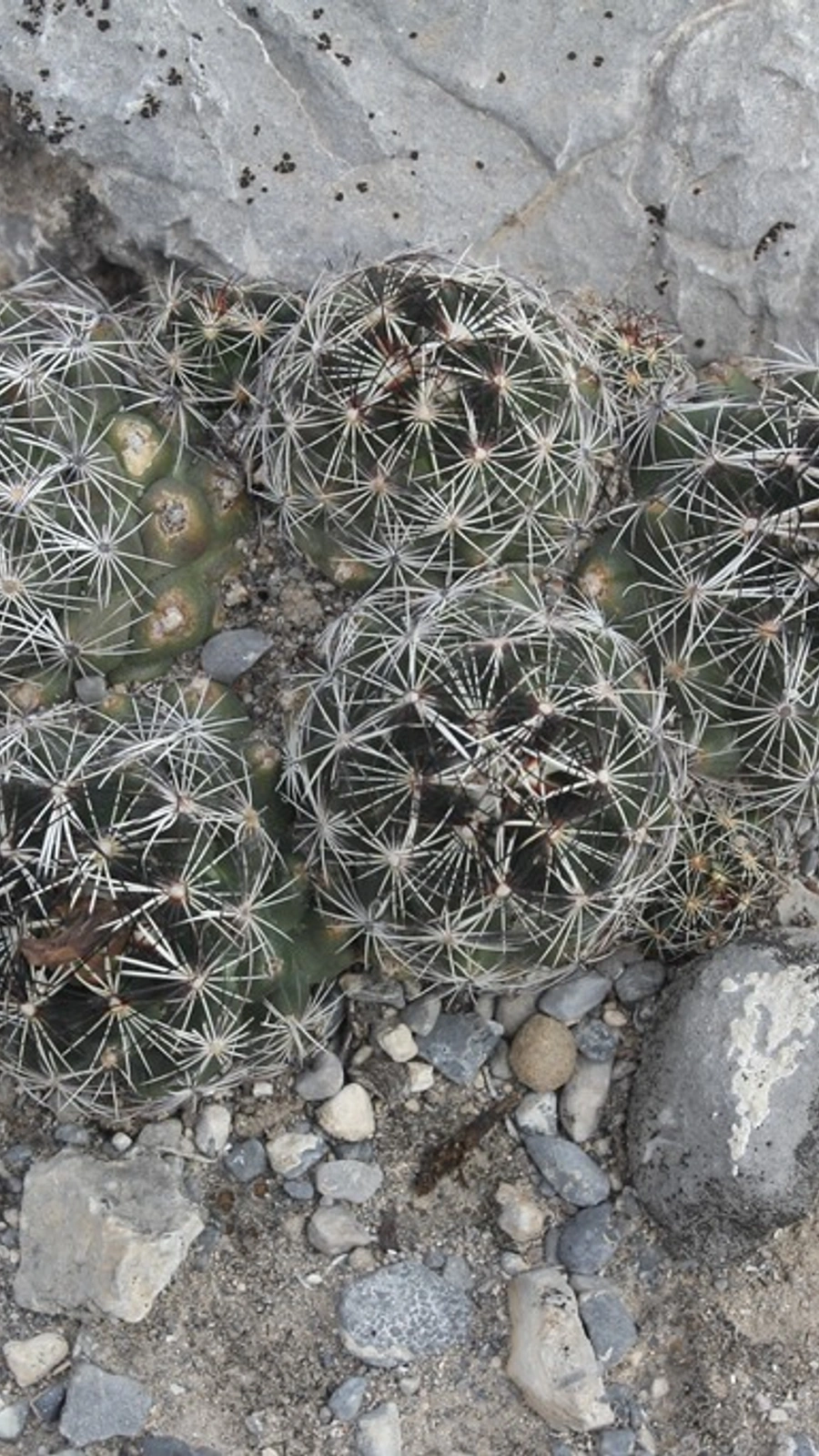
Coryphantha nickelsiae

Nickels' Beehive Cactus

Overview

Coryphantha nickelsiae is a small, globose to short-cylindrical cactus belonging to the family Cactaceae. It is highly appreciated by succulent enthusiasts for its clustering habit and beautiful silver-white spination 1.

Classification and naming

The species was named in honor of Anna B. Nickels, an early cactus collector and nursery owner 2. Belonging to the genus Coryphantha, it is characterized by the distinct longitudinal grooves on the upper surface of its tubercles.

Distribution and habitat

This species is native to northeastern Mexico (including Nuevo León and Coahuila) and adjacent parts of southern Texas 1. It thrives in arid desert environments, typically growing on limestone hills, gravelly slopes, and dry shrublands.

Appearance

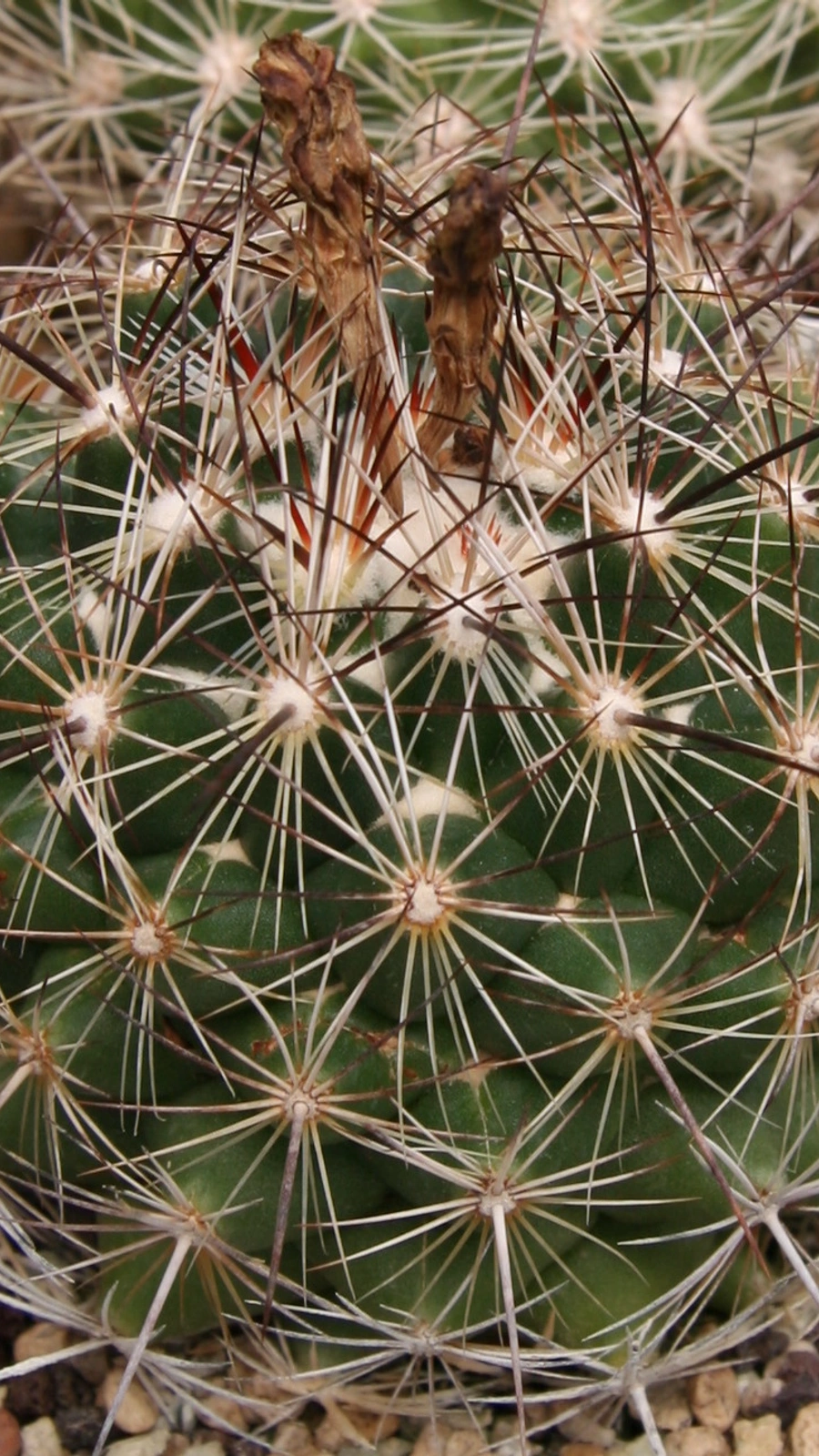
The stem of Coryphantha nickelsiae is grey-green, heavily covered with radiating, silvery-white spines that offer protection from intense sunlight. In late spring to summer, it produces large, pale yellow flowers from the plant's apex.

Cultivation

In cultivation, it requires an open, mineral-rich soil mix with excellent drainage. Watering should be done thoroughly but only when the substrate is completely dry. Winter dormancy requires cool and dry conditions to prevent rot and stimulate future blooming 2.

Common mistakes

The most prevalent issue is overwatering during cooler seasons or using heavy, clay-rich potting soil. This leads to fungal rot. Lack of sufficient sunlight will cause etiolation and prevent flowering.

References

  1. Plants of the World Online (POWO), Kew Royal Botanic Gardens.
  2. Anderson, E. F. (2001). The Cactus Family. Timber Press.
Light

Bright Indirect Light

Requires full sun to bright indirect light; thrives on south or west-facing windowsills.
Watering

12-35 Days

Water thoroughly only when the soil is bone dry; keep completely dry in winter.

Soil

Highly drained cactus soil mix enriched with coarse sand and pumice

Use a porous mineral mix consisting of pumice, perlite, and coarse sand with very little organic matter.

Safety

Pet Friendly

The plant is non-toxic but has sharp spines that can cause physical injury; handle with care.

Difficulty

Easy

Very easy to maintain if you avoid overwatering and provide sufficient sunlight.

Native Habitat

Northern Mexico and Southern Texas (USA)

Naturally distributed across the arid, rocky limestone hills of northeastern Mexico and the southern border regions of Texas, where it grows integrated into desert scrub vegetation.

Frequently Asked Questions

Is Coryphantha nickelsiae toxic to pets?
No, *Coryphantha nickelsiae* is non-toxic to pets. However, due to its sharp spines, it is highly recommended to place it out of reach of curious animals to prevent physical injuries.
How often should I water my cactus?
In summer, water approximately every 12 days once the soil is completely dry. In winter, during its dormancy, reduce watering to once every 35-40 days or keep it entirely dry if kept in a cool location.
When and how does Coryphantha nickelsiae bloom?
It produces large, showy bright yellow flowers from the crown of the plant during summer. To encourage blooming, ensure the plant goes through a cool, dry dormancy period during the winter.
What type of soil mix should I use?
Use a fast-draining cactus mix rich in pumice, coarse sand, perlite, and a very small portion of peat. Heavy clay soils must be avoided to prevent root rot.
Can I leave my cactus outdoors in winter?
This cactus can tolerate brief cold spells down to -5°C (23°F) if kept completely dry. However, in regions with heavy winter rain or severe frost, it should be moved indoors to a dry, well-ventilated spot.
When should I repot Coryphantha nickelsiae?
Due to its slow growth rate, repotting every 2-3 years in early spring is sufficient. Choose a new pot that is only slightly larger than the old one and has excellent drainage holes.
The stem is becoming soft, what should I do?
Softness is usually a sign of root rot caused by overwatering. Stop watering immediately, remove the plant from its pot, inspect the roots, cut away rotten parts, and repot in fresh, dry soil.
How fast does this cactus grow?
*Coryphantha nickelsiae* is a very slow-growing cactus. Patience is required; do not try to speed up growth with excessive fertilizer or water, as this can kill the plant.
Can it tolerate direct summer sun?
In unacclimated plants, direct midday sun can cause sunburn. It prefers direct morning or late afternoon sun, with slightly filtered light during the hottest hours of the day.
How can I encourage my cactus to grow brighter silvery spines?
Dense and bright silvery spines develop in response to high light levels. When the plant receives ample sunlight, it naturally produces thicker, more colorful spines to protect itself.