
Light
Full Sun
Requires full sun or intense bright light to develop strong spine structures.
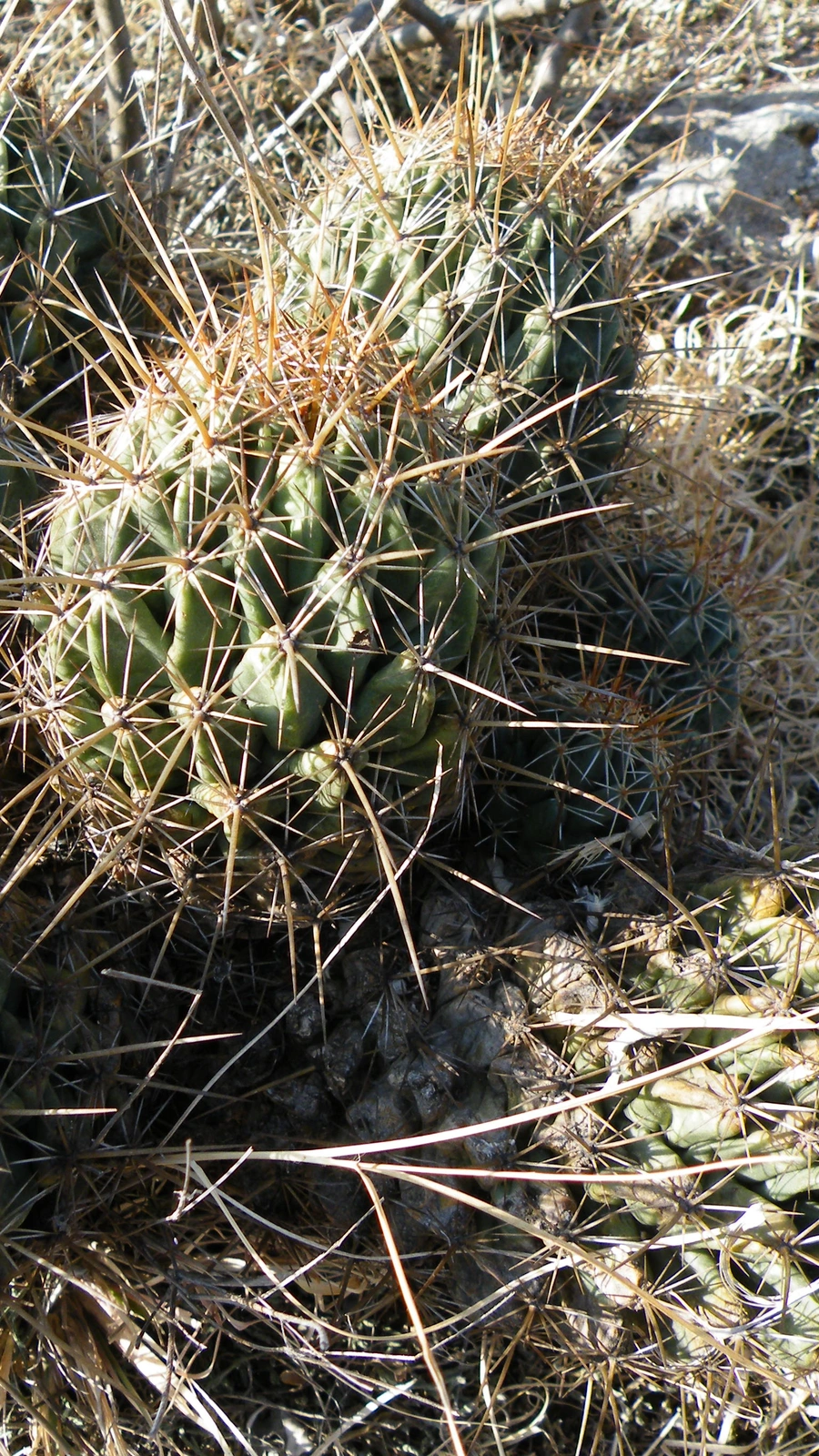 Reference image
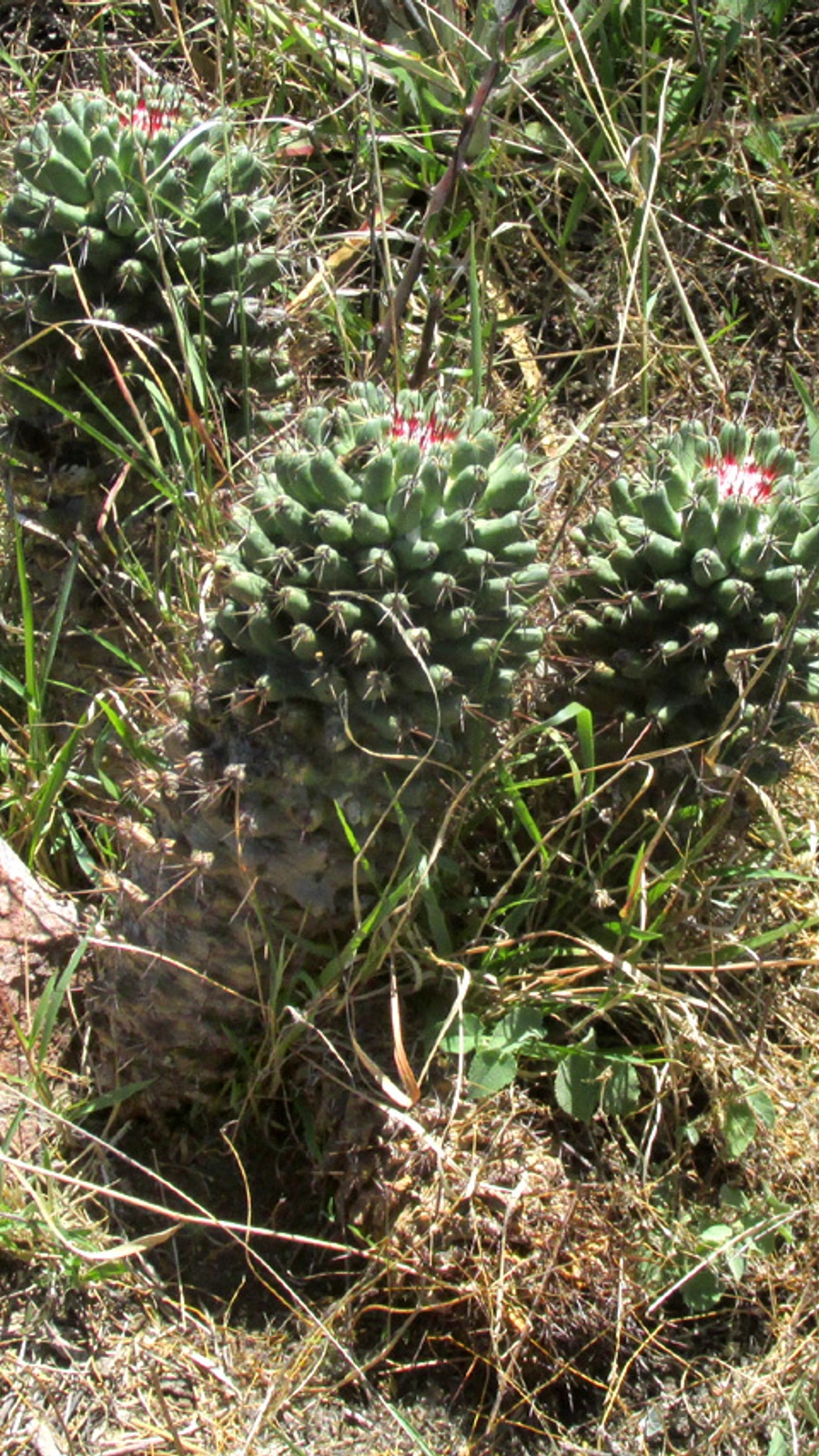 Reference image
Eight-Spined Beehive Cactus
Coryphantha octacantha is a captivating, globose to cylindrical cactus belonging to the family Cactaceae 1. Adapted to the arid shrublands and limestone rocky habitats of Mexico, it is highly prized by collectors for its geometric spiral tubercles and robust spine cluster.
This species was originally described as Mammillaria octacantha in 1828 before being reclassified under the genus Coryphantha by Britton and Rose 2. The specific epithet 'octacantha' derives from Latin, meaning 'eight spines', referring to the characteristic radial spine arrangement on its areoles.
It is native to the northern and central regions of Mexico, including the states of San Luis Potosí, Durango, Coahuila, Querétaro, and Hidalgo 1. It typically thrives at elevations between 1000 and 2200 meters above sea level, nestled among limestone crevices and gravelly soils in desert scrublands.
The body is dark olive green, with distinct, prominent tubercles. Its areoles bear around 8 radial spines that are yellowish or pale brown, turning greyish with age 2. In late spring and summer, it produces beautiful, funnel-shaped sulfur-yellow flowers from the plant's apex.
This species requires full sun exposure and a highly mineral, free-draining substrate. Water thoroughly only when the soil has dried out completely during the active growing season. Keep it absolutely dry and cool during winter to encourage spring blooms.
Overwatering and poor drainage are the leading causes of root rot in this species 1. Keeping the soil wet during winter dormancy will result in rapid tissue collapse. Insufficient sunlight leads to etiolation, where the plant grows weak, pale, and loses its natural shape.
Requires full sun or intense bright light to develop strong spine structures.
Drench and dry method in spring/summer; completely dry and dormant in winter.
Strictly mineral-rich cactus mix with pumice, grit, and limestone gravel.
Non-toxic to pets, but has sharp, stiff spines that require careful handling.
Moderate. Easy if watering is strictly controlled, but intolerant of wet soil.
Found naturally on dry limestone hills, open flats, and desert shrublands across central and northern Mexican plateaus at high elevations.
