
Light
Bright Indirect Light
Thrives in bright, filtered sunlight. Morning direct sun is highly beneficial for flowering.
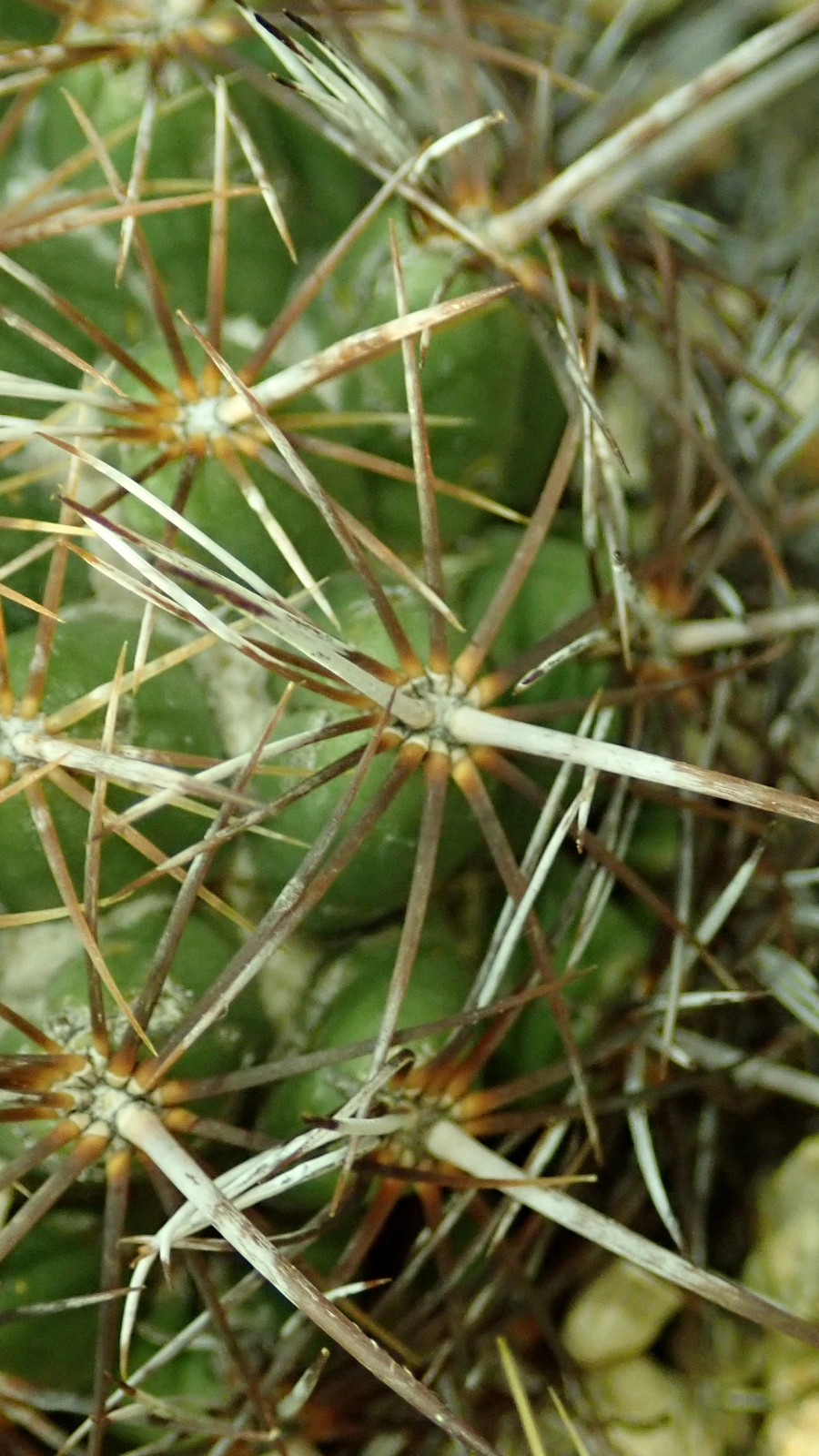 Reference image
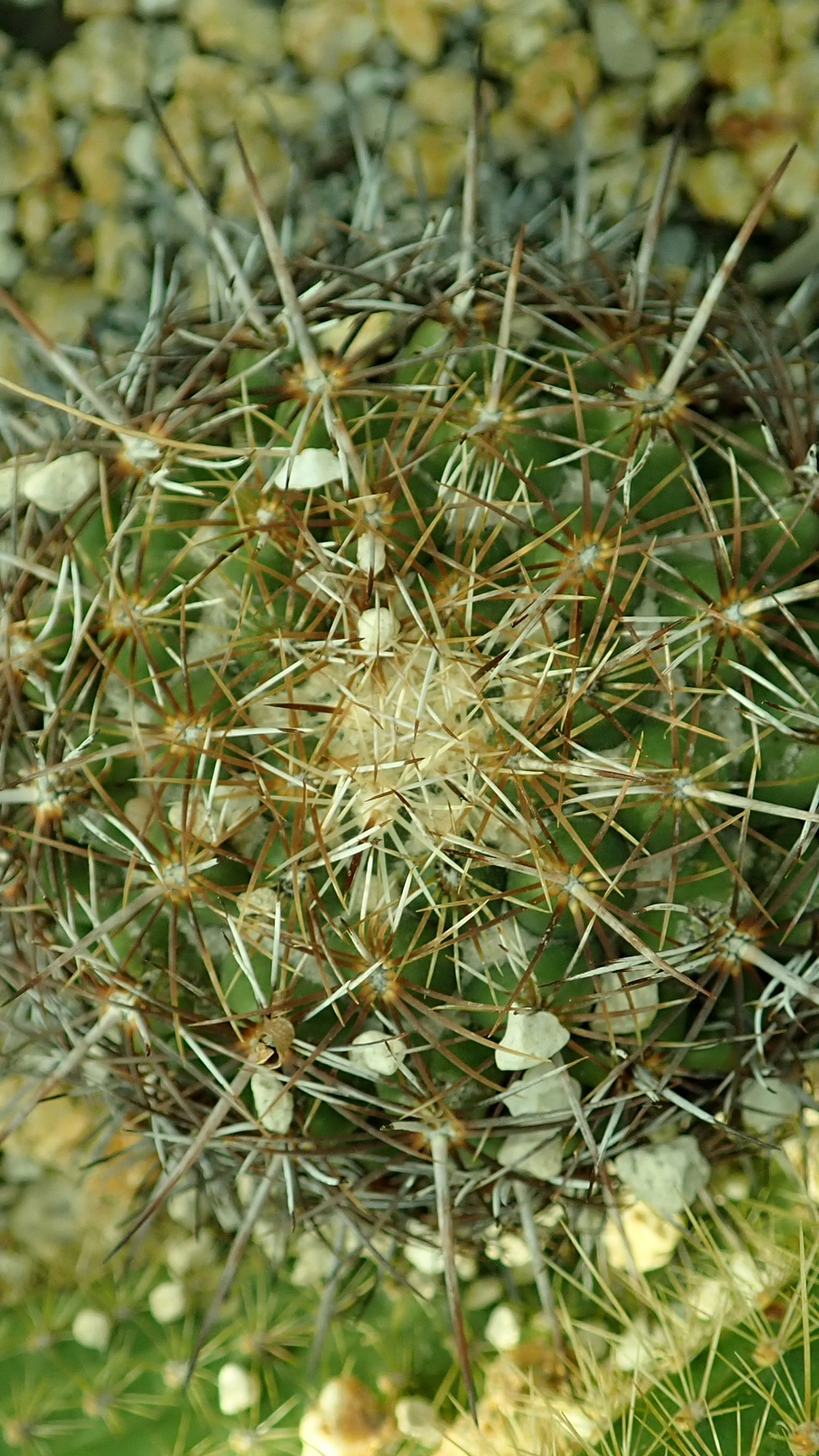 Reference image
Pale Coryphantha
Coryphantha pallida is a distinct, globose member of the Cactaceae family, highly appreciated by succulent enthusiasts for its intricate spine arrangement and prominent tubercles. Fully adapted to arid and semi-arid desert landscapes, this species is noted for its pale-colored spination and large, showy yellow flowers 1.
First described in detail by botanists studying Mexican xerophytic flora, the genus name Coryphantha derives from the Greek words koryphe (meaning crown or summit) and anthos (meaning flower), referencing the apical flowering habit. The specific epithet pallida means "pale" or "ashen" in Latin, depicting the pale yellowish-grey coloration of its protective spines 2.
Endemic to the south-central regions of Mexico, specifically across the states of Puebla, Oaxaca, and Guerrero 1. It typically thrives at elevations ranging from 1,500 to 2,300 meters above sea level, colonizing limestone hillsides, open deciduous scrublands, and gravelly grasslands 2.
The plant grows as a solitary, spherical to shortly cylindrical stem that can reach up to 12 cm in diameter, occasionally clumping from the base with age. The stem is covered with pronounced, spirally arranged tubercles rather than ribs. Each aerole bears pale greyish-yellow radial spines that lie flat against the stem, and usually one stouter, darker central spine. In summer, large, satiny, bright yellow flowers emerge from the crown, measuring up to 7 cm across 1.
It requires excellent light conditions, preferably bright, filtered sunlight with some direct morning sun. Water thoroughly only when the growing medium is completely dry, and suspend watering entirely during the cold winter dormancy. A porous, mineral-based substrate consisting largely of pumice, perlite, and coarse sand is crucial to prevent moisture retention 2.
The most prevalent issue is root rot due to overwatering or poorly draining soil. Lack of adequate sunlight leads to etiolation (stretching of the stem), which weakens the plant and ruins its compact shape. Cold, wet winter conditions must be avoided at all costs.
Thrives in bright, filtered sunlight. Morning direct sun is highly beneficial for flowering.
Water only when the soil is dry to the bottom. Keep bone-dry during the winter months.
Requires an airy, mineral-rich soil mix with plenty of pumice, coarse sand, and minimal organic matter.
Equipped with sharp, rigid spines. Keep out of reach of curious pets and children.
Very easy to care for, provided you do not overwater or let it sit in stagnant moisture.
Native to high-altitude limestone hillsides and dry shrublands of south-central Mexico, where it experiences sunny, dry days and cool nights.
