
Light
Direct Sun
Requires full sun or intense direct sunlight to maintain compact growth and dense spine structure.
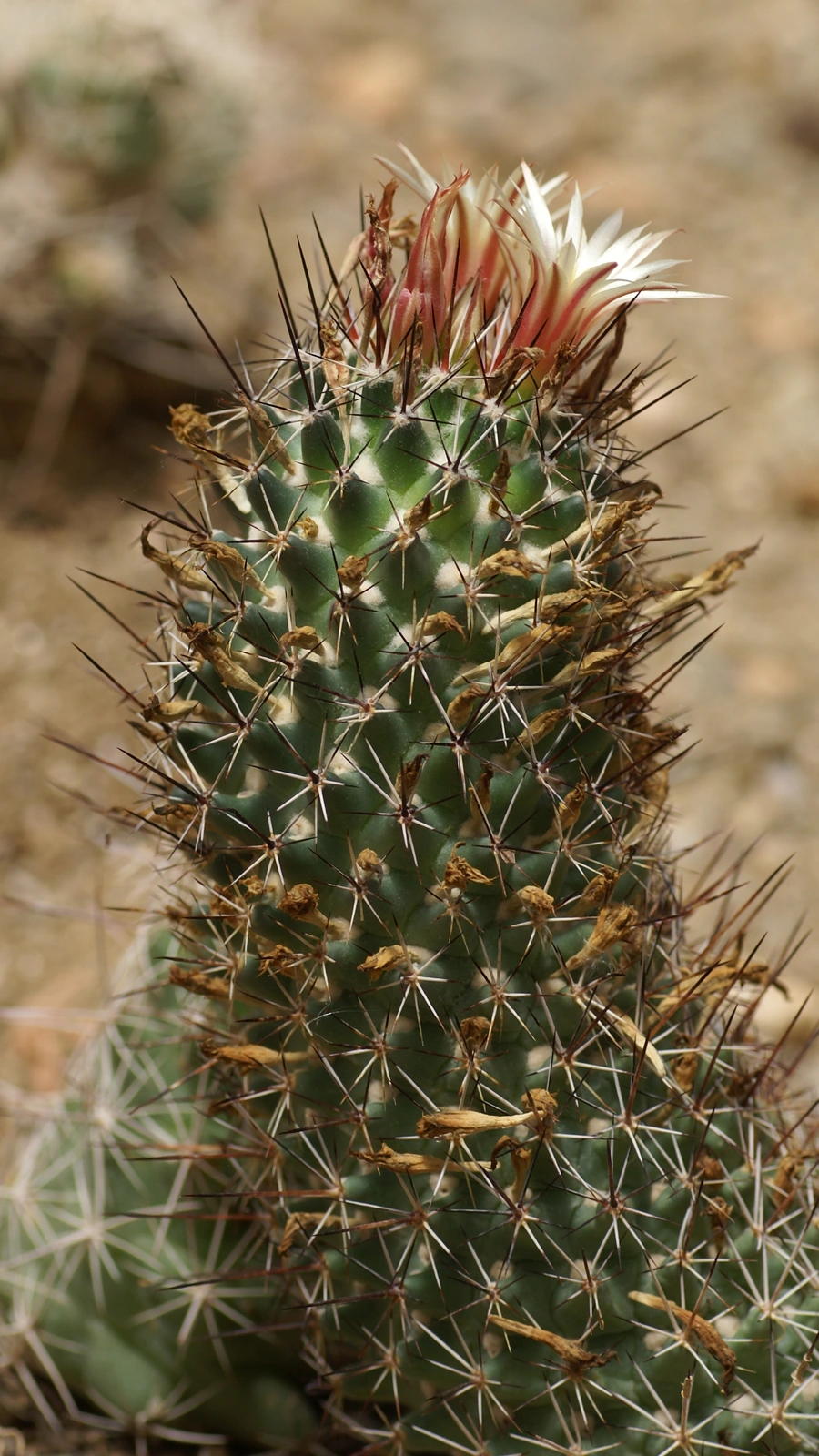 Reference image
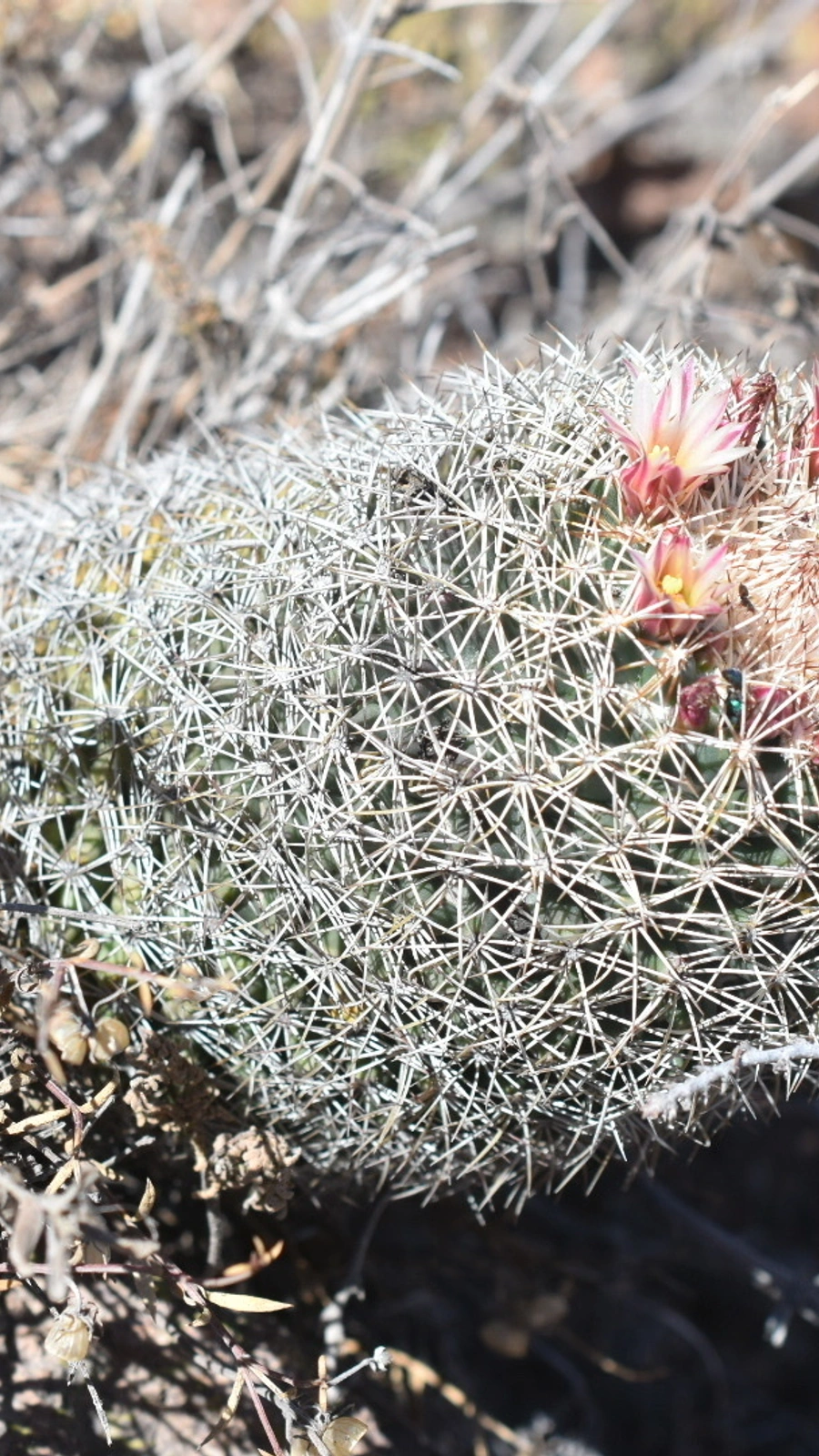 Reference image
Potosi Beehive Cactus
Coryphantha potosiana is an extremely rare and highly sought-after cactus species belonging to the family Cactaceae. Due to habitat loss and illegal collection in the wild, it is classified as Critically Endangered 1. It is highly prized by succulent collectors for its geometric spiral tubercles and bright, crown-like yellow blooms.
Belonging to the genus Coryphantha (derived from the Greek for 'top flower'), this species was named potosiana to reflect its primary origin in the San Luis Potosí region of Mexico 2. It shares morphological characteristics with other beehive cacti but is distinguished by its unique spine arrangement and habitat preference.
Endemic to Mexico, this species is restricted to specific high-altitude desert and dry shrubland regions 3. It thrives in well-drained limestone gravel soils, growing in rock crevices and on slopes where solar radiation is intense but wind offers cool relief.
The plant body is solitary, globose to shortly cylindrical, covered in prominent tubercles that give it a beehive-like texture. Radial and central spines are stiff, light yellow to grayish, densely covering the plant body. Flowers appear at the plant's apex during late spring, displaying a vibrant yellow color and a funnel shape.
This species requires meticulous water management. It must be potted in a highly porous, purely mineral substrate. Watering should only occur when the substrate is completely dry during the growing season. Keep it absolutely dry and cool during winter dormancy to promote healthy growth.
The most prevalent issue is root rot triggered by overwatering or soil mixes retaining organic matter. Lack of direct sunlight leads to weak, elongated growth (etiolation), pale color, and diminished spine production.
Requires full sun or intense direct sunlight to maintain compact growth and dense spine structure.
Allow soil to dry out completely between waterings. Water sparingly in summer, and do not water at all in winter.
Use a grit-dominated, mineral-heavy substrate with minimal organic components to ensure rapid drainage.
Equipped with sharp, rigid spines. Keep out of reach of pets and children to avoid injury.
Moderately difficult due to high sensitivity to excess moisture and high requirements for direct light.
Endemic to the arid highlands of central Mexico, specifically growing in stony limestone crevices within dry shrublands.
