
Light
Direct Sun
Requires at least 6 hours of direct sunlight daily to maintain compact growth and dense spination.
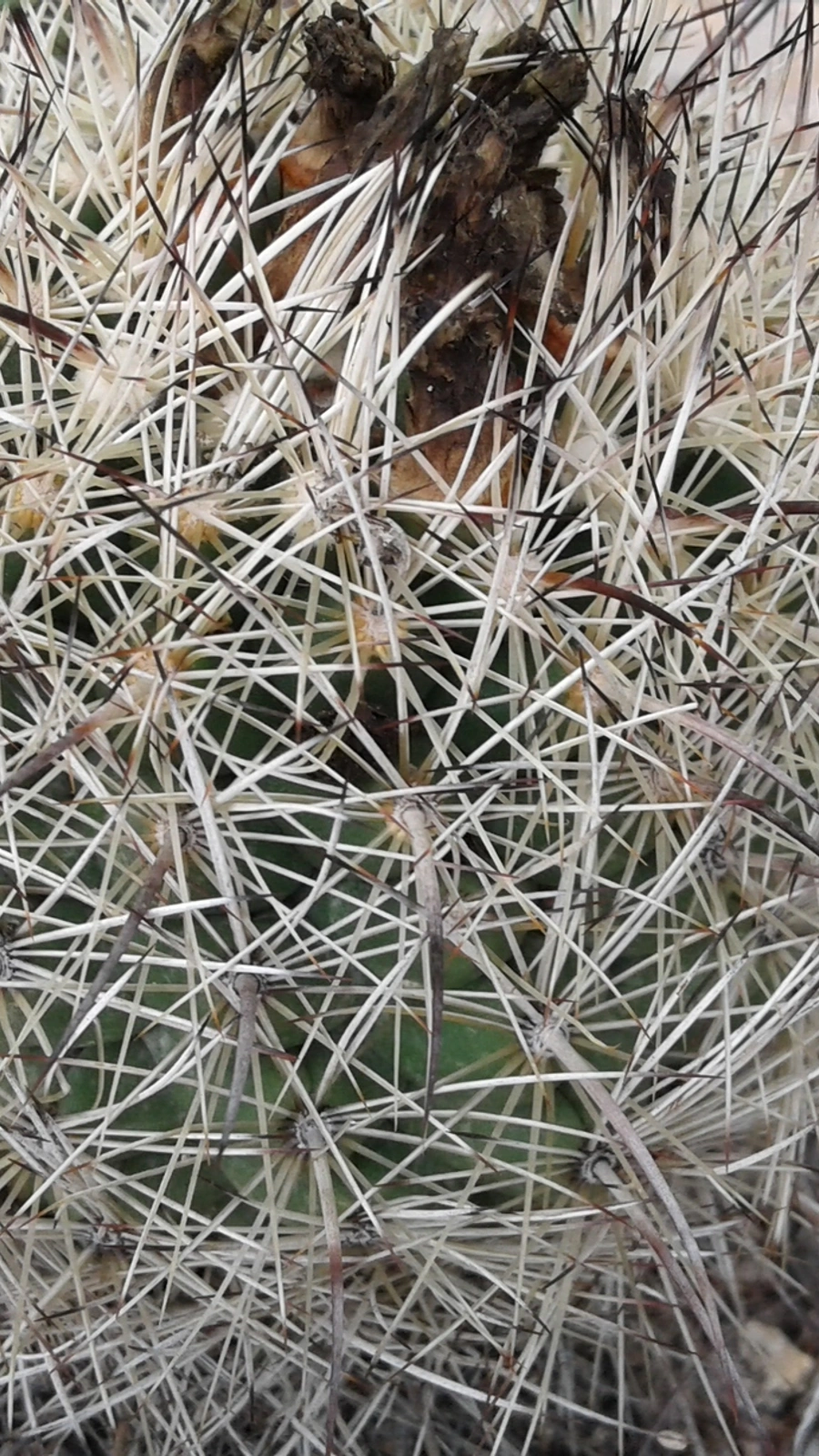 Reference image
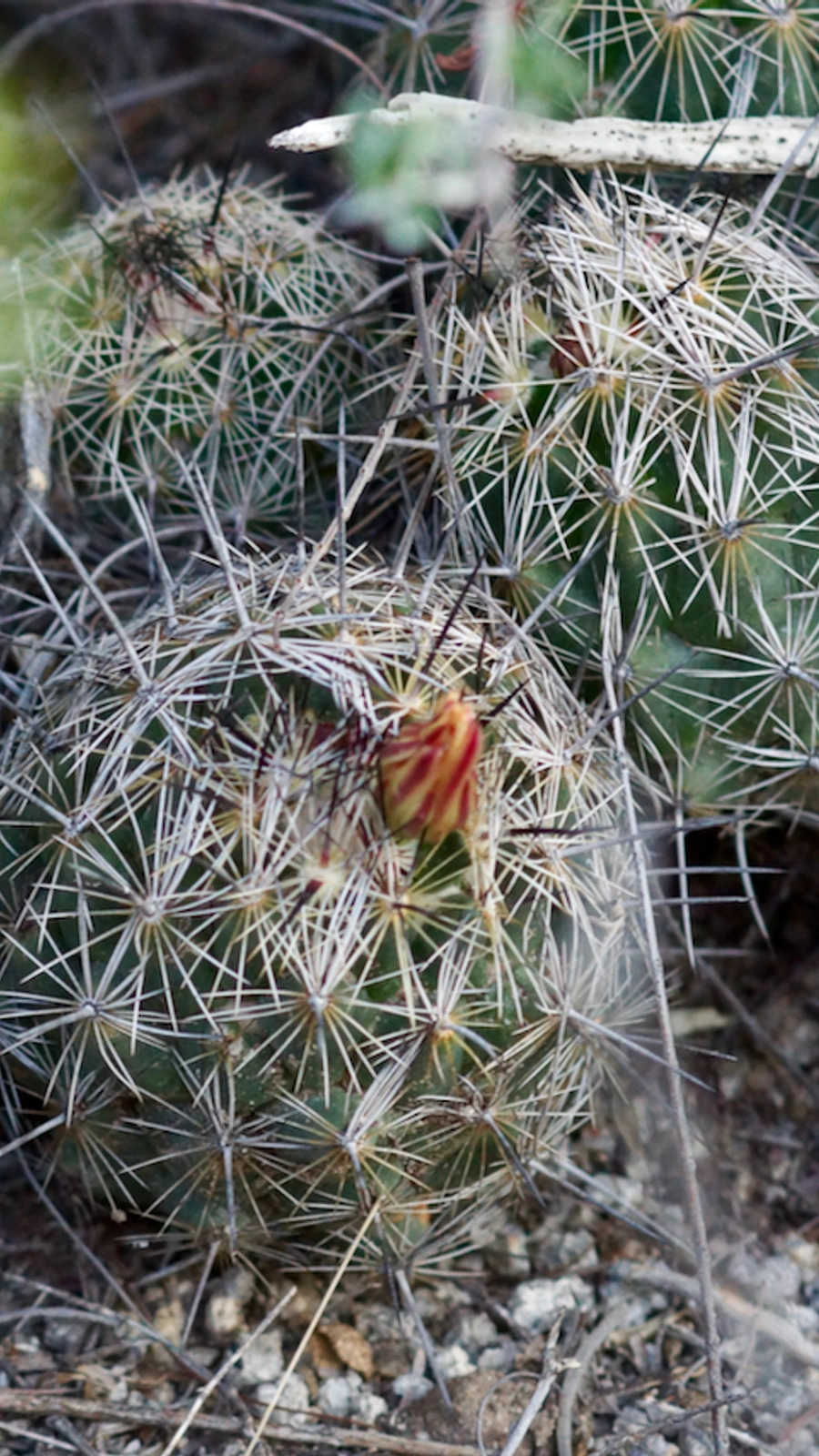 Reference image
False Nickels' Beehive Cactus
Coryphantha pseudonickelsiae is a rare, globose to slightly cylindrical succulent cactus species belonging to the Cactaceae family 1.
The species name reflects its close morphological resemblance to Coryphantha nickelsiae, yet it remains distinct due to subtle differences in tubercle structure and spine configuration 1.
Native to northern Mexico, specifically Chihuahua, Coahuila, and Durango, it thrives in arid desert environments, stony hillsides, and limestone crevices 2.
It features a dark green stem covered in prominent conical tubercles. The areoles bear stiff, grayish-brown radial spines. In summer, it produces beautiful, bright yellow funnel-shaped flowers at the apex 1.
This species requires excellent drainage and mineral-based soils. Watering should be deep but infrequent, allowing the substrate to dry out fully. Keep completely dry in winter 2.
Overwatering, especially during winter dormancy, and inadequate sunlight are the primary causes of root rot and etiolation.
Requires at least 6 hours of direct sunlight daily to maintain compact growth and dense spination.
Water thoroughly only when the soil is completely dry. Keep dry in winter.
Highly mineral substrate with coarse sand, pumice, and grit, low in organic matter.
Non-toxic, but sharp spines can cause physical injury; handle with care.
Moderate; easy if watering is strictly controlled, but highly susceptible to rot if overwatered.
Inhabits the dry limestone slopes and gravelly desert plains of Northern Mexico, perfectly adapted to intense solar radiation and minimal rainfall.
