
Light
Bright Indirect Light
Thrives in bright indirect light with some direct morning sun; avoid scorching midday sun.
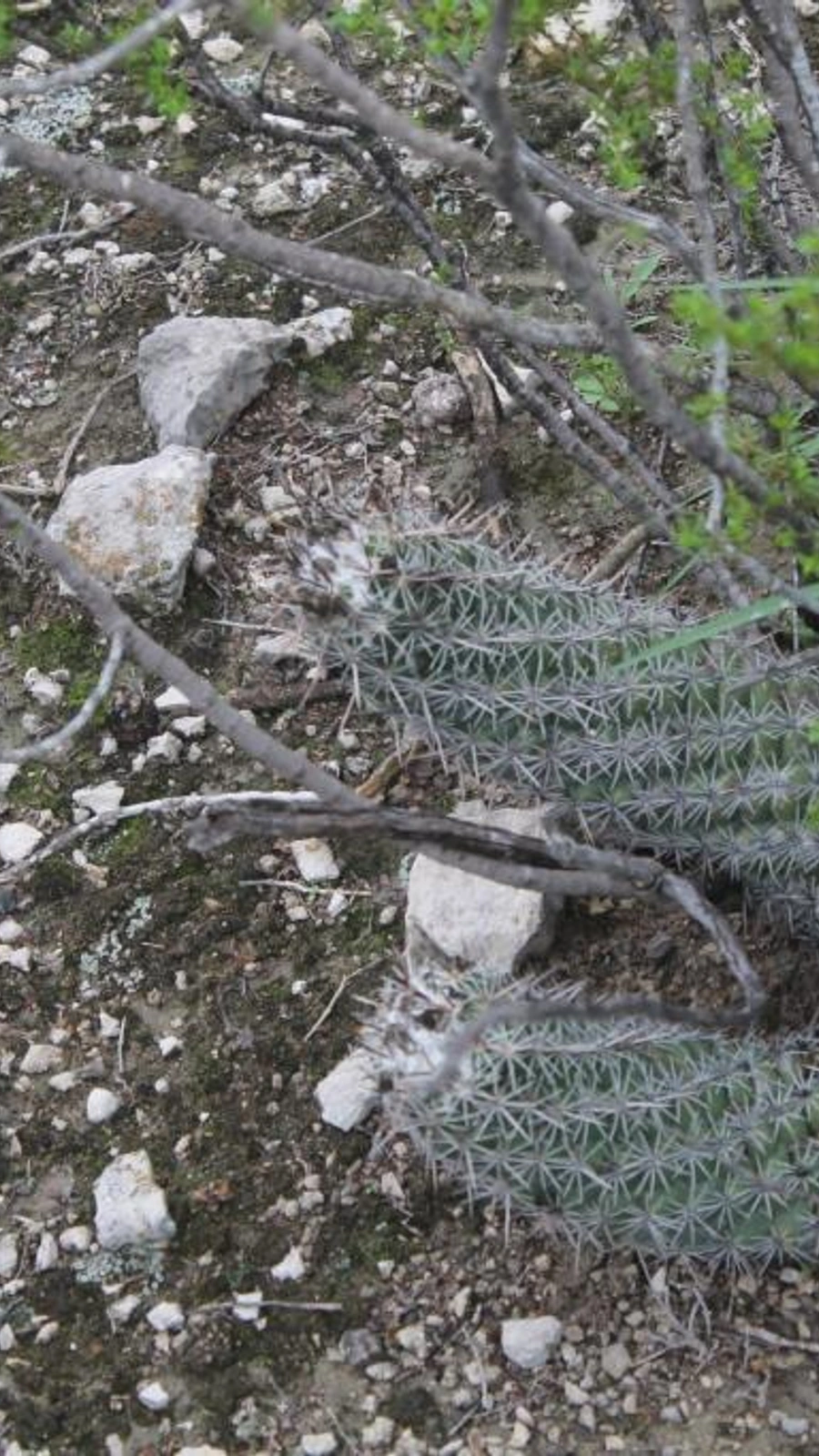 Reference image
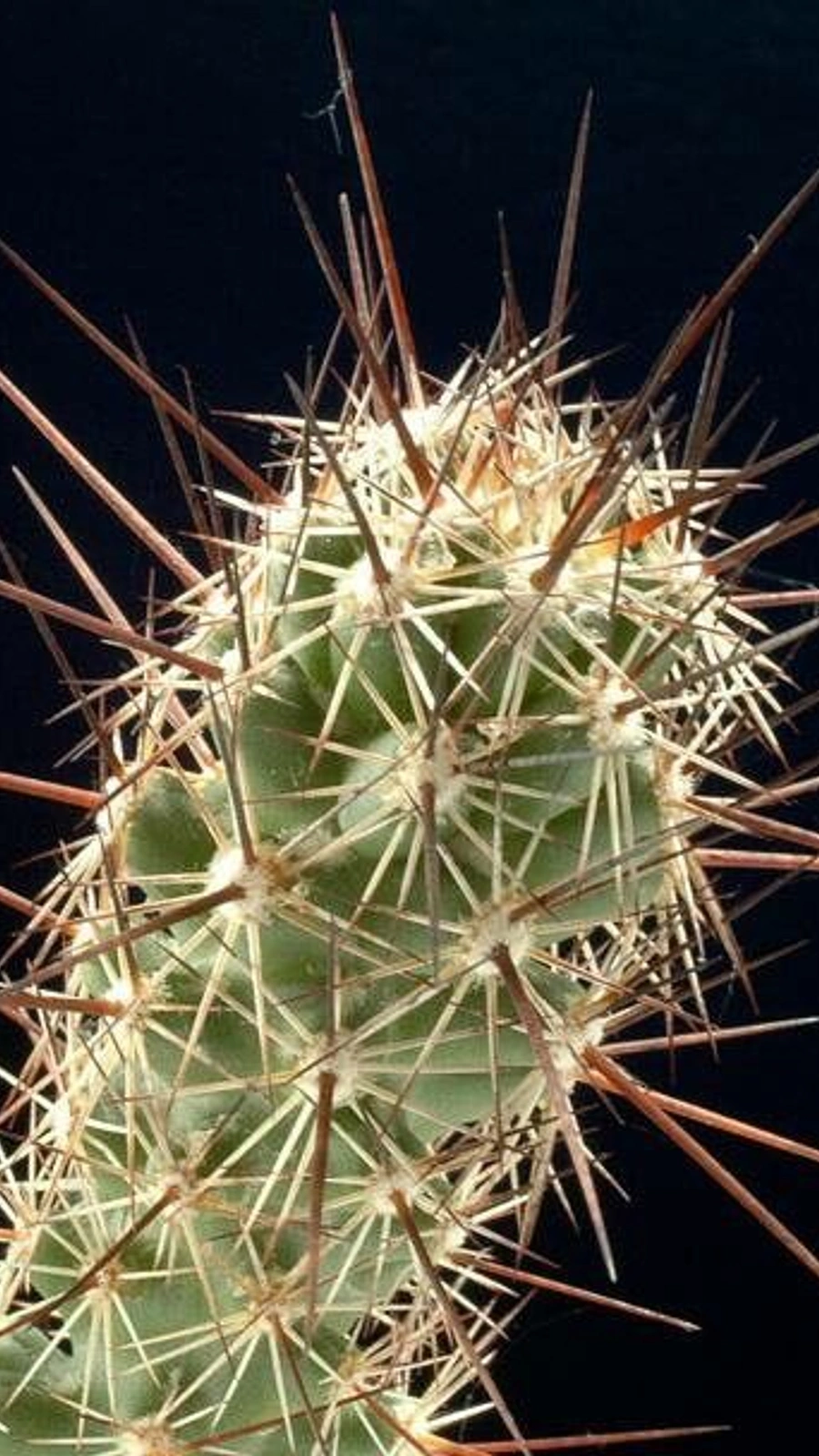 Reference image
Pulleine's Coryphantha
Coryphantha pulleineana is a highly sought-after, slow-growing succulent subshrub belonging to the Cactaceae family. Originating from the arid zones of Mexico, it has evolved key adaptations to survive prolonged droughts and intense light 1.
Described formally in the mid-20th century, the species is named in honor of the Australian naturalist Robert Pulleine. It occupies a distinct taxonomic position within the genus Coryphantha, characterized by its specialized tubercle arrangement and distinct spine count 2.
This species is native to Northeast and Central Mexico, spanning states like San Luis Potosí, Nuevo León, and Tamaulipas. It thrives in desert habitats, growing on dry, rocky slopes of limestone and gypsum soil at moderate elevations 1.
The plant develops a cylindrical or club-shaped stem, reaching up to 15 cm in height. It is covered in conical, distinct tubercles rather than continuous ribs. Spine clusters feature a mix of central and radial spines, culminating in pale yellow to bright lemon-yellow flowers at the apex during late spring.
It requires excellent light conditions and extremely porous, gravelly potting soil. Water should be applied only during the active growing season using the 'soak and dry' method. During winter, the plant must be kept dry and cool 2.
Overwatering and the use of rich, organic soils are the primary causes of failure. Insufficient ventilation combined with high humidity quickly leads to devastating root rot.
Thrives in bright indirect light with some direct morning sun; avoid scorching midday sun.
Allow substrate to dry completely between waterings; keep bone dry in winter.
Excellent drainage is mandatory. Use a high-mineral cactus mix with minimal peat.
Non-toxic to pets, but features sharp, stiff spines that require careful handling.
Moderate. It is highly susceptible to root rot if watered during its winter rest.
Endemic to North and Central Mexico, particularly in the Chihuahuan desert scrublands, growing on limestone gravel and gypsum-rich slopes.
