
Light
Full Sun
Requires full sun; ample direct sunlight is essential for strong spine development and summer flowering.
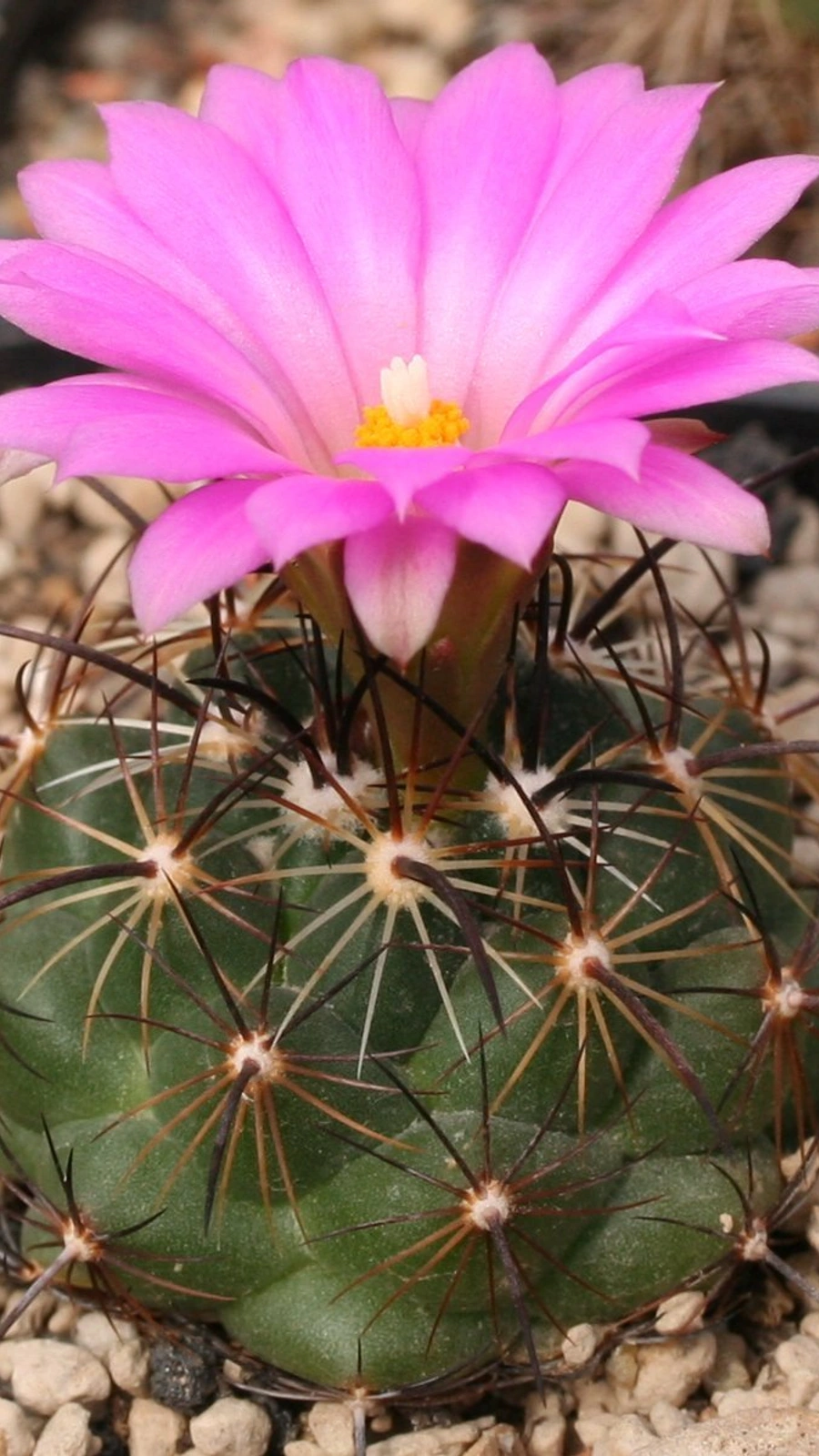 Reference image
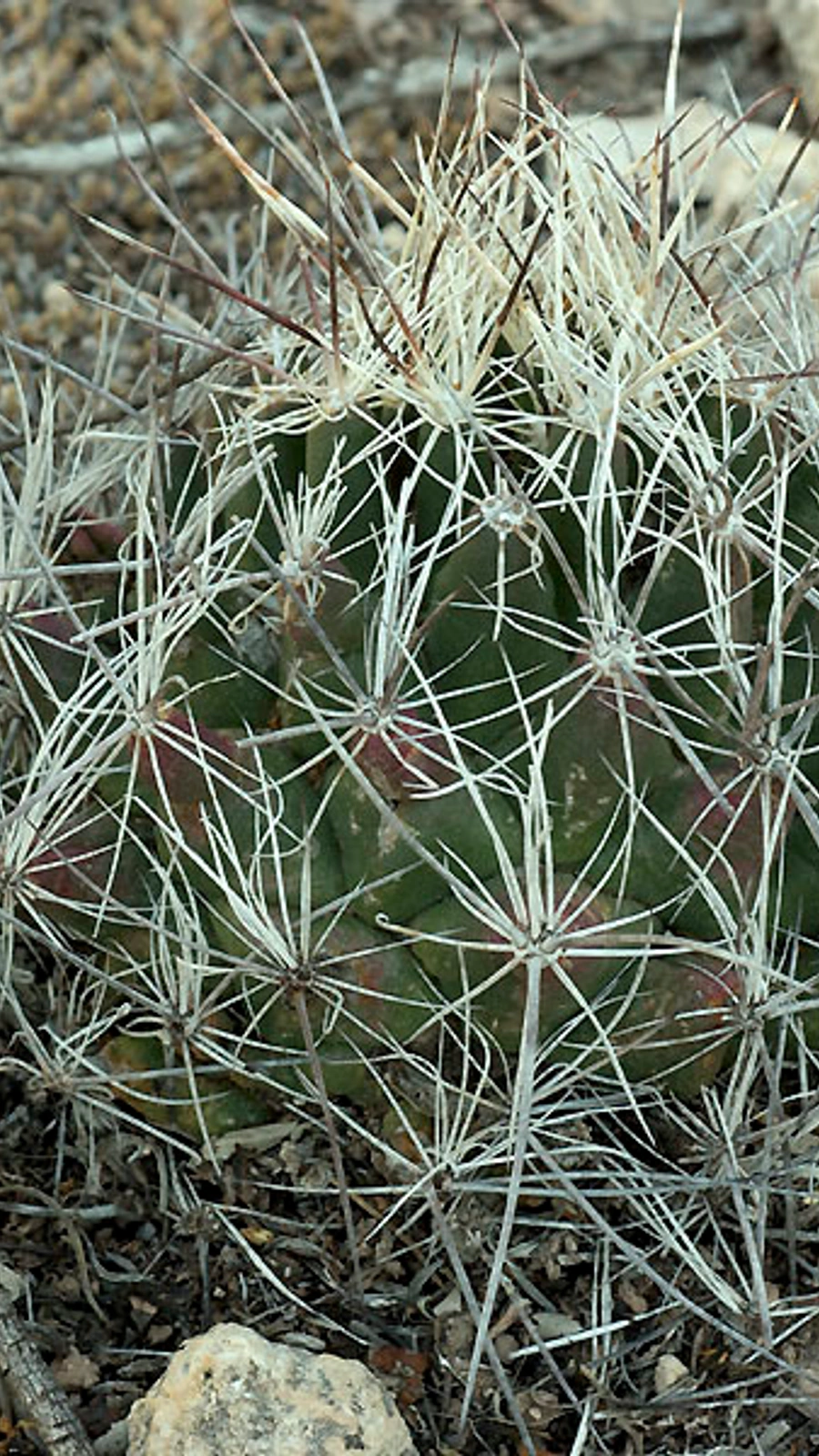 Reference image
Bunny Ear-like Cory Cactus
Coryphantha ramillosa is a charming, slow-growing globose cactus native to the harsh, rocky terrains of the Chihuahuan Desert 1. Renowned for its fierce spine coverage and contrasting soft pink flowers, this species is a prized possession among succulent collectors and desert plant enthusiasts.
Belonging to the family Cactaceae, the species was formally described by George Engelmann. The genus name Coryphantha is derived from the Greek words for 'summit' and 'flower', referencing the apical flowering habit 2. The specific epithet ramillosa refers to the branching appearance of its densely set spines.
This species is native to the trans-Pecos region of southwest Texas (notably Big Bend National Park) and adjacent northern Mexican states such as Coahuila 1. It thrives on limestone gravel, steep hillsides, and desert shrublands, coping with extreme heat, drought, and poor soils.
Its stem is spherical to short-cylindrical, pale gray-green, and grows up to 9 cm high. The radial spines are needle-like, white to gray, while the central spines are stouter, darker, and slightly curved. In late spring and summer, it produces stunning funnelform, pale pink to deep magenta flowers from the stem apex.
In cultivation, Coryphantha ramillosa requires maximum light exposure. A south-facing window with direct sunlight is ideal. The soil must be highly mineral-based with excellent drainage, containing limestone grit, pumice, and coarse sand 2. Watering should strictly follow the 'soak and dry' method, with a dry winter dormancy.
Overwatering and high humidity are the primary causes of failure, quickly leading to root rot. Using standard potting soils with high peat content suffocates the roots. Lack of sufficient direct sunlight will cause etiolation, weakening the plant's structural integrity.
Requires full sun; ample direct sunlight is essential for strong spine development and summer flowering.
Water thoroughly but very infrequently during summer. Keep absolutely dry in winter.
Highly mineral cactus mix with limestone gravel, coarse sand, and very low organic matter.
Non-toxic, but the sharp, curved spines can cause injury. Keep away from pets and children.
Moderate difficulty; requires strict watering discipline and excellent drainage to thrive.
Native to the rocky limestone hillsides and dry desert shrublands of southwest Texas, particularly around the Big Bend region, extending into northern Mexico.
