
Light
Full Sun
Requires full sun, ideally 6+ hours of direct sunlight daily.
 Reference image
 Reference image
Robust-Spined Beehive Cactus
Coryphantha robustispina is a slow-growing, globose to cylindrical succulent subshrub belonging to the Cactaceae family. Known for its menacingly strong spines and extreme drought tolerance, it is a classic representative of desert flora.
Situated within the subfamily Cactoideae of the family Cactaceae, Coryphantha robustispina derives its generic name from Greek words meaning 'flowering on the crown' 1. The specific epithet robustispina refers to its remarkably thick, robust, and stiff central spines. It includes subspecies such as C. robustispina subsp. scheeri.
This species is native to the southwestern United States (Arizona, New Mexico, Texas) and northern Mexico 2. It thrives in arid desert grasslands, dry shrublands, gravelly slopes, and limestone hillsides, typically at elevations between 900 and 1500 meters above sea level.
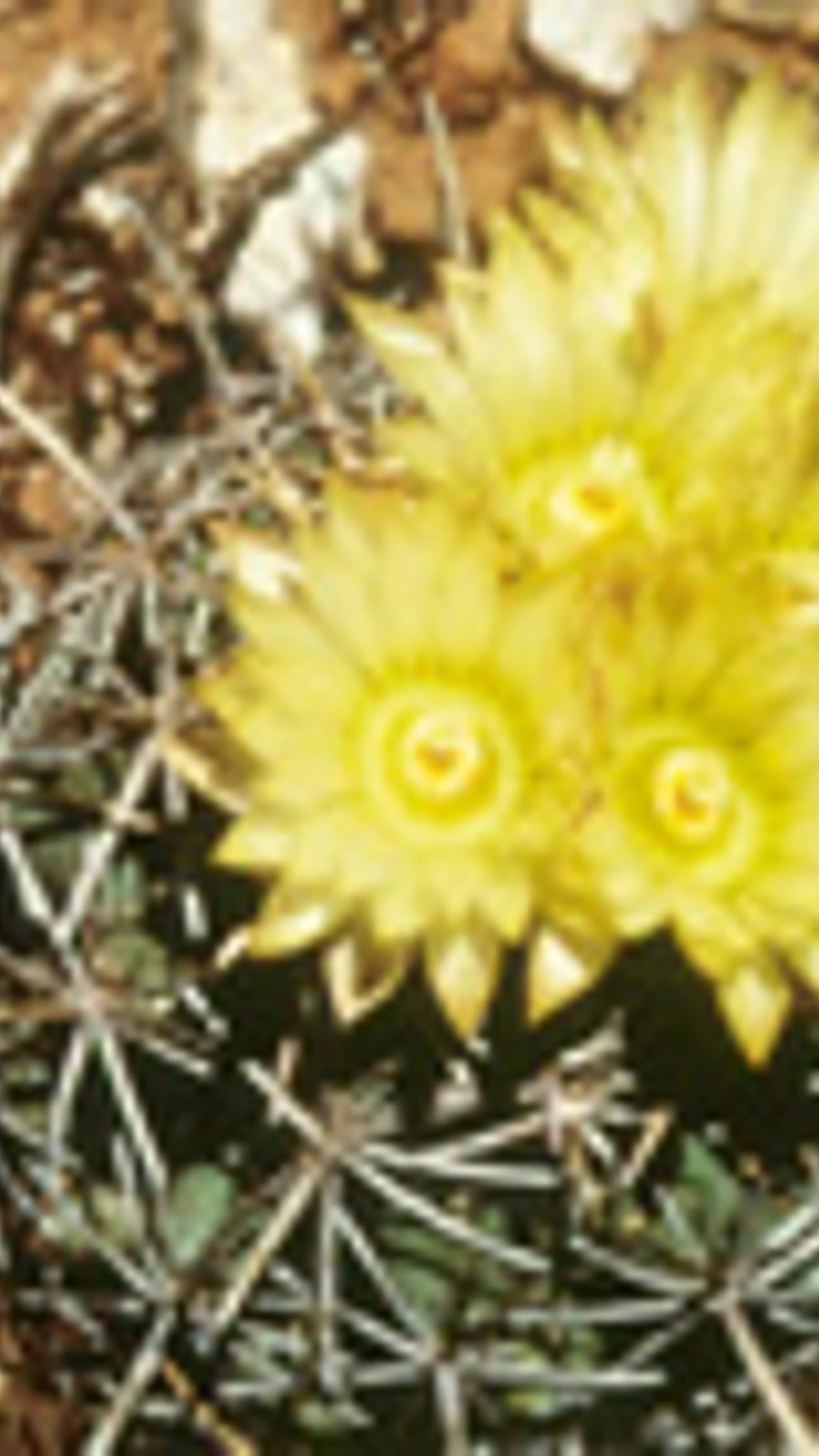
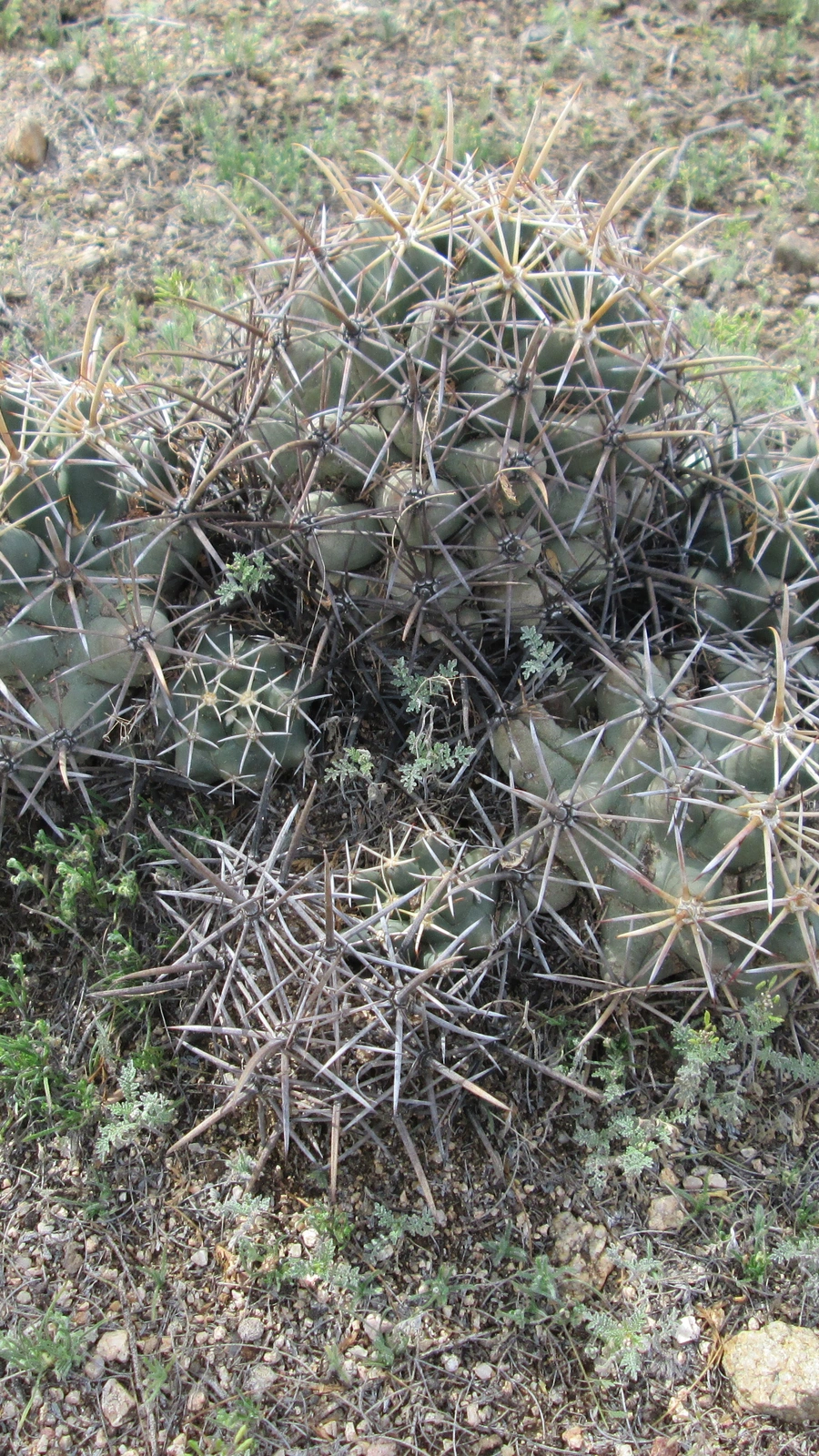
The green, solitary or occasionally clustering body features prominent tubercles rather than continuous ribs. From the areoles at the tip of these tubercles arise heavy, radial, and central spines, which are often greyish, yellow, or dark brown. In summer, large, funnel-shaped, bright yellow to bronze flowers emerge from the crown.
In cultivation, it requires an open, highly porous mineral substrate containing limestone grit. It demands maximum sunlight to retain its compact shape and produce strong spines. Watering must be strictly limited to the active growing season, always allowing the soil to dry out completely between irrigations.
The most critical mistake is overwatering or using water-retaining soils, which rapidly leads to root rot. Insufficient light exposure will cause the stem to stretch unnaturally, weakening the plant's overall structure and reducing flowering.
Requires full sun, ideally 6+ hours of direct sunlight daily.
Water thoroughly only when the soil is dry. Keep completely dry in winter.
Highly mineral substrate with coarse sand, pumice, and optional limestone grit.
Non-toxic, but the spines are exceptionally sharp and rigid; handle with care.
Moderate. Very easy if kept dry and sunny, but sensitive to excessive humidity.
Grows wild in the harsh Chihuahuan and Sonoran desert plains, dry grasslands, and limestone slopes across Arizona, Texas, New Mexico, and Northern Mexico.
