
Light
Bright Indirect Light
Thrives in bright indirect light or morning sun; avoid scorching midday summer sun.
 Reference image
 Reference image
Three-Dagger Coryphantha
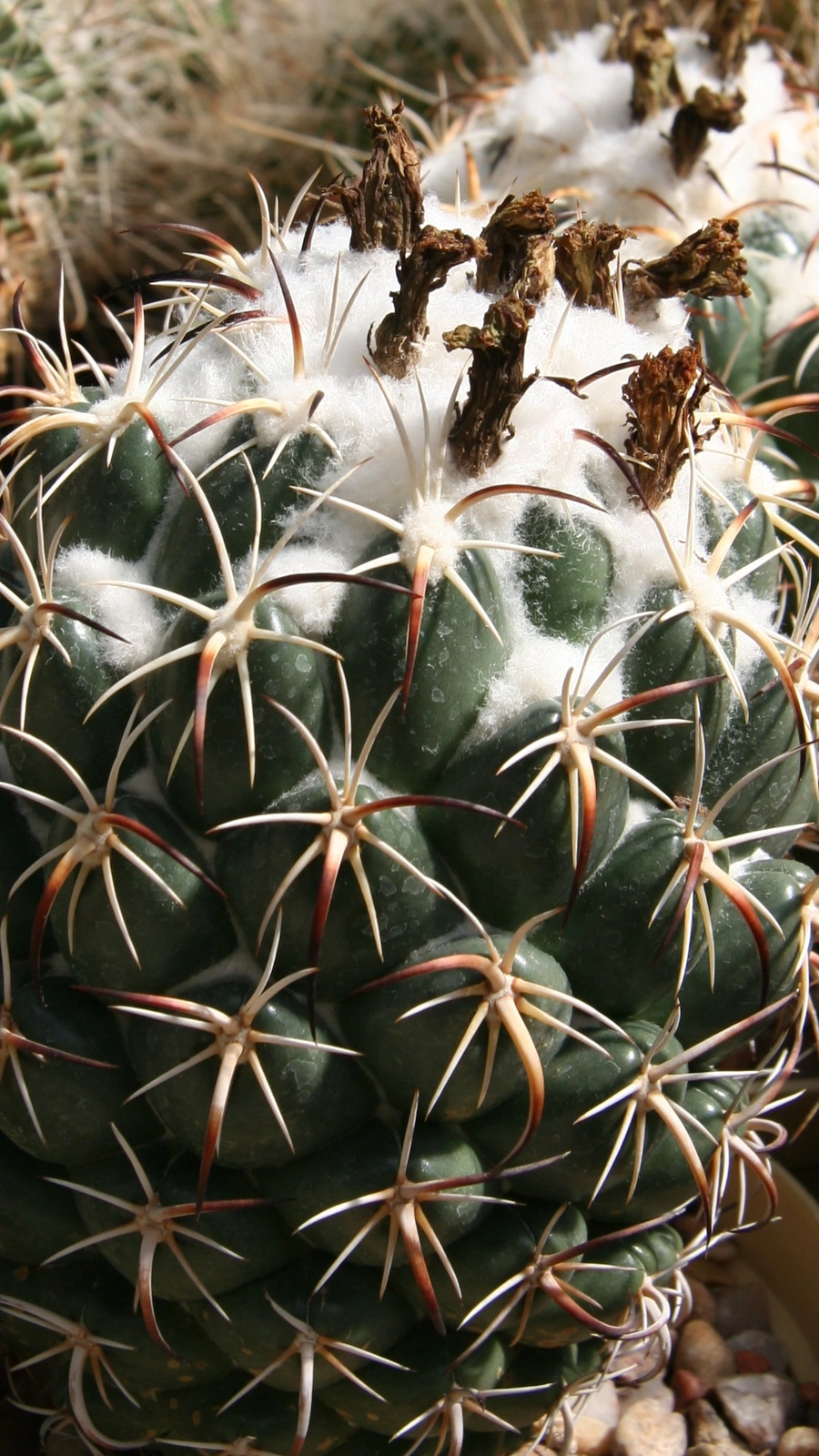
Coryphantha tripugionacantha is a captivating globular cactus belonging to the Cactaceae family. Highly appreciated by succulent collectors, it is prominent for its geometric body shape and robust, fiercely curved spine clusters. It develops as a slow-growing succulent subshrub 1.
Originally described in botanical records focusing on the rich Chihuahuan Desert flora, the specific epithet tripugionacantha is derived from Greek, translating directly to "three-dagger spines". This taxonomical name highlights the distinctive arrangement of three strong, flattened central spines arising from each mature areole 2.
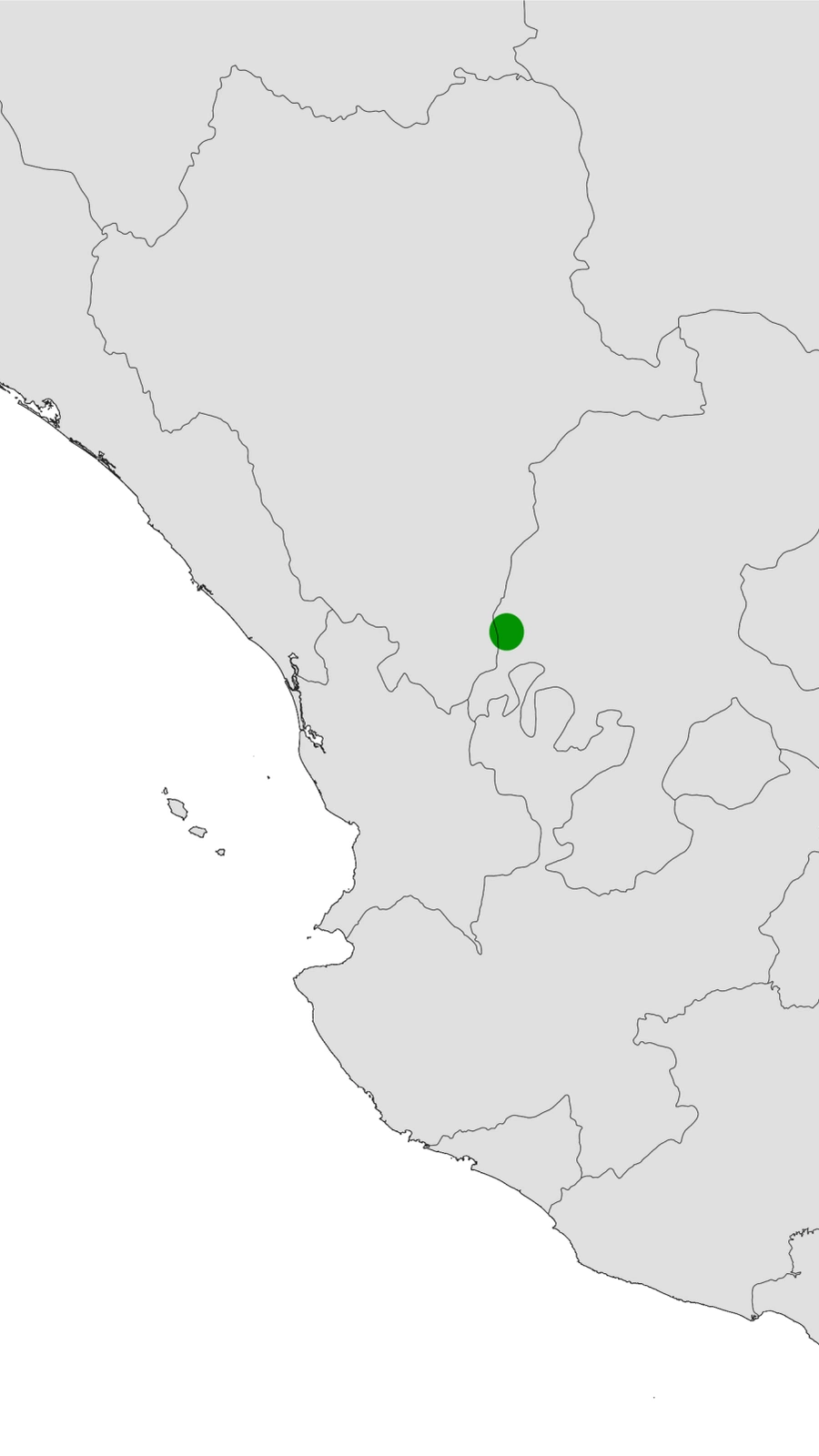
Endemic to Mexico, this species is naturally distributed across several states including Aguascalientes, Zacatecas, Jalisco, San Luis Potosí, Querétaro, Guanajuato, and Michoacán. It thrives in desert habitats, dry shrublands (matorral), and rocky limestone or volcanic hillsides 1.
The plant usually grows solitary but may offset from the base over time. The stem is dark green to grayish-green, sporting prominent, spirally-arranged tubercles. Each areole bears 3 dominant central spines that are thick, dagger-like, curved downwards, and greyish-brown to blackish in color. Bright yellow to pale cream flowers emerge from the plant's apex during late spring and summer 2.
In cultivation, it demands high levels of bright, indirect sunlight or filtered sun. Watering should be deep but infrequent, only applied when the potting medium has dried out entirely. During winter, it requires a dry, cool dormancy period at temperatures around 5-10°C 3.
The most frequent issue is root and stem rot caused by overwatering or poorly draining soil mixtures. Keeping the plant in warm, humid rooms during winter deprives it of necessary cold dormancy, which prevents bud initiation and weakens the overall immune system.
Thrives in bright indirect light or morning sun; avoid scorching midday summer sun.
Water thoroughly then allow the soil to dry out completely before watering again.
Mineral-rich soil mix with pumice, coarse sand, and minimal organic matter.
Sharp, strong spines can cause mechanical injury. Keep away from pets and children.
Moderate; requires strict watering discipline and a cool, dry winter rest.
Native to the arid highlands of central and northern Mexico, growing on rocky outcrops and volcanic soils among sparse desert scrub vegetation.
