
Light
Full Sun
Requires at least 6-8 hours of direct, intense sunlight daily. Protect from extreme scorching glass during midsummer afternoons.
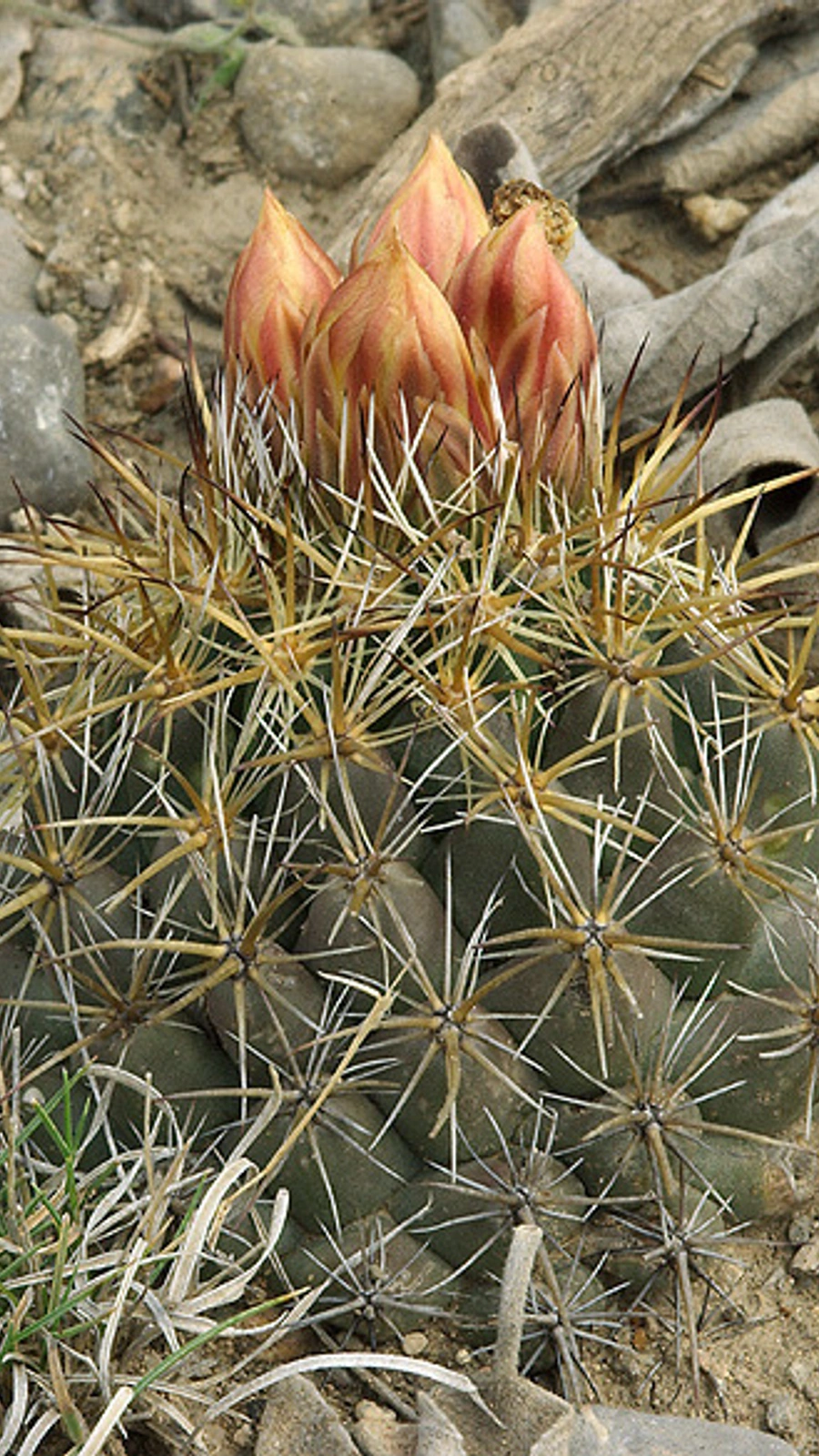 Reference image
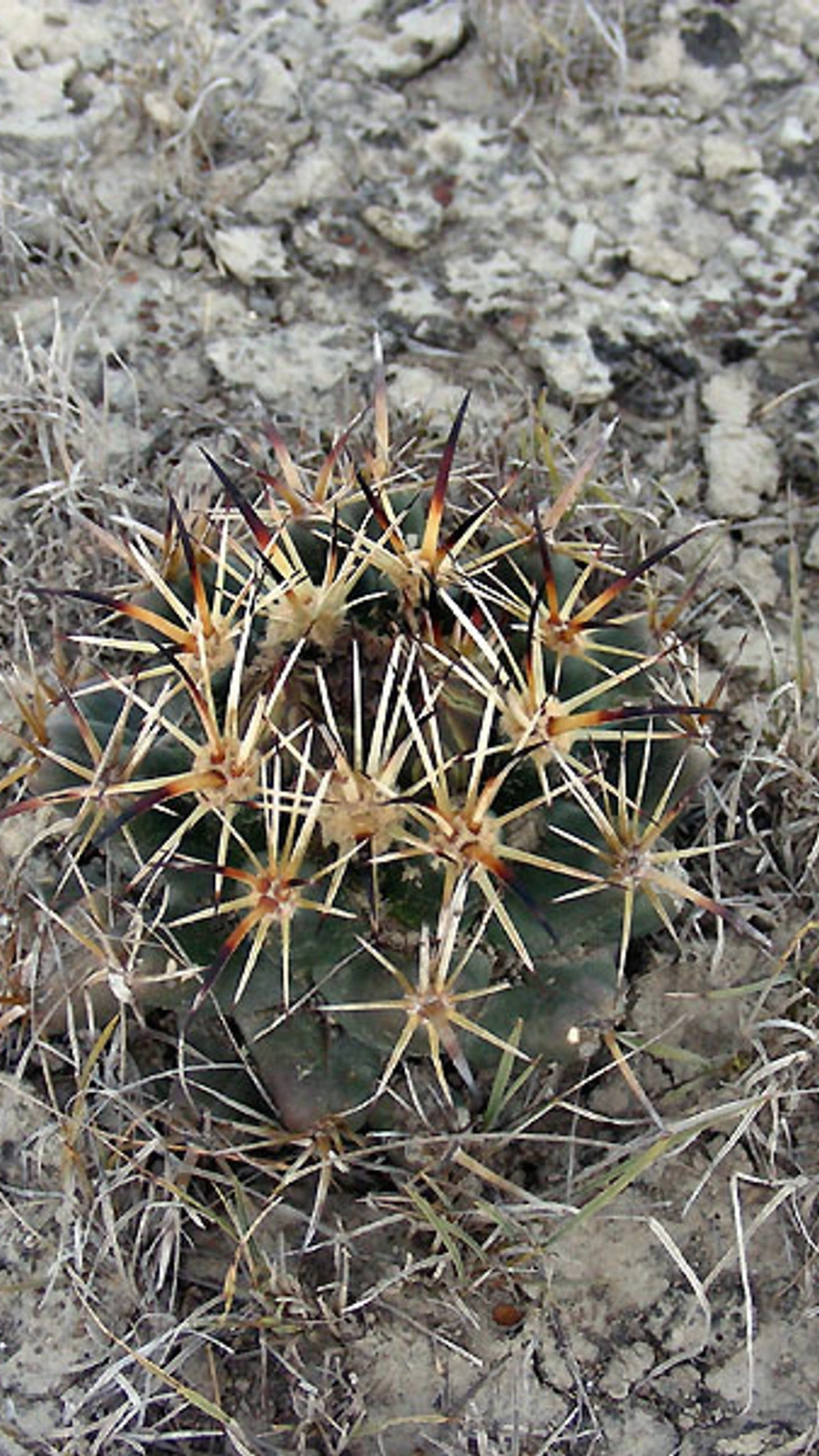 Reference image
Vaupel's Beehive Cactus
Coryphantha vaupeliana is a small, globose cactus species belonging to the family Cactaceae, native to the arid expanses of northern and central Mexico 1. Highly sought after by succulent enthusiasts, this species is appreciated for its geometrically arranged spines and large, showy yellow flowers that bloom from the plant's apex.
The species was classified under the genus Coryphantha, which translates to "flowering top" in Greek, referencing the apical position of its blooms. The specific epithet honors Friedrich Karl Albert Vaupel, a prominent German botanist 2. It is occasionally taxonomically linked or synonymized with complexes under Coryphantha pycnacantha.
This cactus is widely distributed throughout northeastern and central Mexico, including Coahuila, Nuevo León, and San Luis Potosí 1. It typically populates limestone slopes, dry shrublands, and semi-desert habitats at elevations of 1,000 to 2,000 meters, growing in skeletal soils or rock crevices.
Coryphantha vaupeliana features a solitary or slowly clumping, spherical to short cylindrical stem with pronounced, spirally arranged tubercles. The areoles bear robust, slightly curved central spines of yellowish-grey to dark brown hues, surrounded by lighter radial spines. In summer, it produces funnelform, bright yellow flowers up to 6 cm wide from the woolly stem apex.
Cultivation requires a highly porous, mineral-rich substrate with excellent drainage. Water should be applied generously during the active growing season (spring and summer) only after the soil has dried out completely 2. During the winter dormancy, watering must be suspended entirely to prevent fungal root rot. High light intensity is essential for robust spine development.
The most frequent cultivation errors include overwatering during the cold winter dormancy and using dense, peat-heavy soils that retain moisture. Insufficient sunlight leads to etiolation, where the spherical stem stretches and weakens, losing its compact shape and vibrant spine coloration.
Requires at least 6-8 hours of direct, intense sunlight daily. Protect from extreme scorching glass during midsummer afternoons.
Apply the 'soak and dry' method in warm months. Suspend watering entirely from late autumn until spring.
Prefers an inorganic, alkaline substrate containing limestone gravel, pumice, coarse sand, and minimal organic matter.
Equipped with strong, sharp, hooking spines. Place away from high-traffic zones, children, and curious pets.
Moderate. Very resilient if overwatering is avoided and strict dry winter dormancy is maintained.
Inhabits high-elevation limestone hillsides and semi-arid desert shrublands in states like Coahuila and San Luis Potosí.
