
Light
Bright Indirect Light
Requires bright indirect light or filtered morning sun. Avoid scorching noon sun.
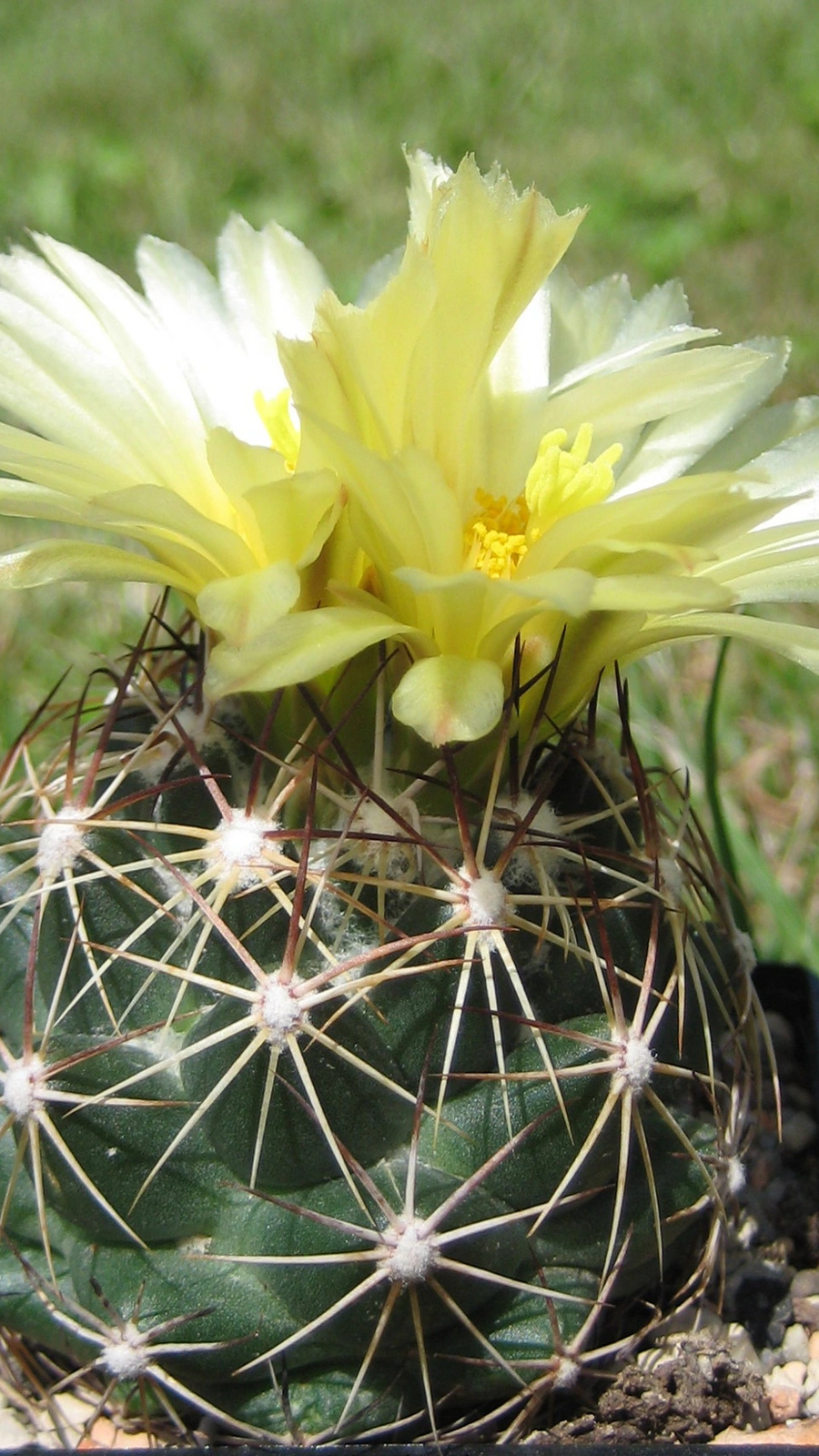 Reference image
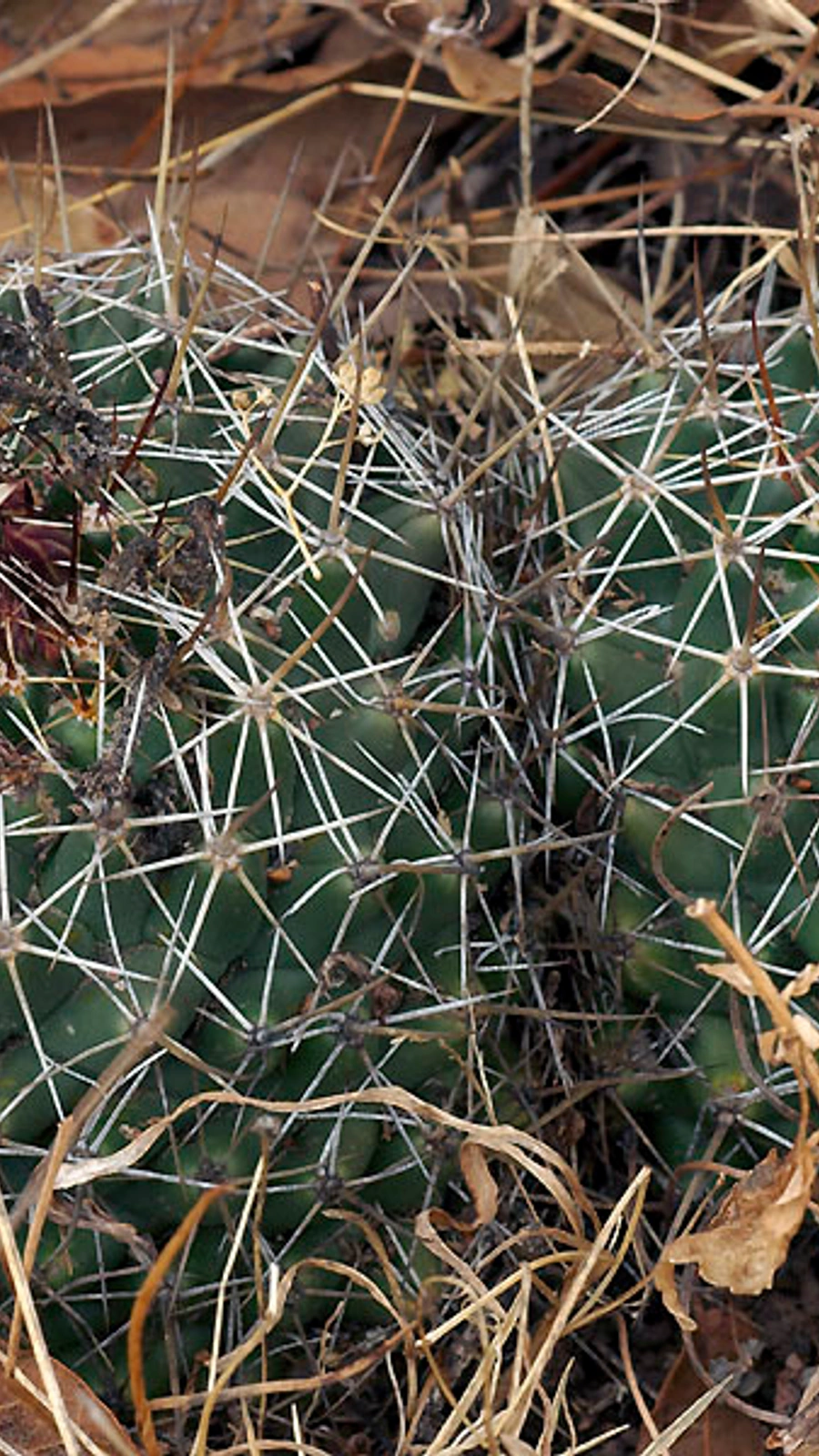 Reference image
Vogtherr's Beehive Cactus
Coryphantha vogtherriana is a small, slow-growing succulent subshrub in the family Cactaceae. Appreciated by succulent collectors, it is distinguished by its highly symmetrical spination and showy apical flowers. It is well-adapted to arid desert conditions and dry rocky environments 1.
Belonging to the genus Coryphantha, the generic name is derived from the Greek words 'koryphe' (summit/crown) and 'anthos' (flower), referring to the characteristic flowering habit where blossoms arise from the top of the stem. The specific epithet honors the German cactus enthusiast Vogtherr 2.
This species is native to central and northern Mexico, including areas in San Luis Potosí, Jalisco, and Coahuila. It thrives in desert habitats, specifically on calcareous rocky hillsides, dry shrublands, and skeletal soils at moderate elevations 1.
The plant features a globose to slightly flattened-globose, pale green to grayish-green stem. It is characterized by prominent tubercles arranged spirally. The areoles bear neat radial spines of a creamy-white to grey color. In summer, it produces bright yellow to pale pink flowers at the stem apex 2.
It requires excellent drainage and a mineral-heavy potting substrate. It thrives in bright indirect light with protected afternoon sun. Watering must be sparse, allowing the soil to dry completely between cycles. Keeping the plant completely dry in winter encourages dormancy and future flowering 1.
Overwatering and poor-draining soil are the primary causes of root rot. Lack of sufficient light leads to etiolation, causing the compact spherical body to stretch and weaken.
Requires bright indirect light or filtered morning sun. Avoid scorching noon sun.
Allow soil to dry fully between waterings. Suspend watering during winter.
Gritty, mineral-rich substrate with excellent drainage like pumice and coarse sand.
Has sharp spines that can cause mechanical injury. Keep out of reach of pets.
Moderately easy if watering is strictly controlled and drainage is optimal.
Endemic to the arid regions and limestone hillsides of central and northern Mexico, inhabiting dry shrublands and rocky terrain.
