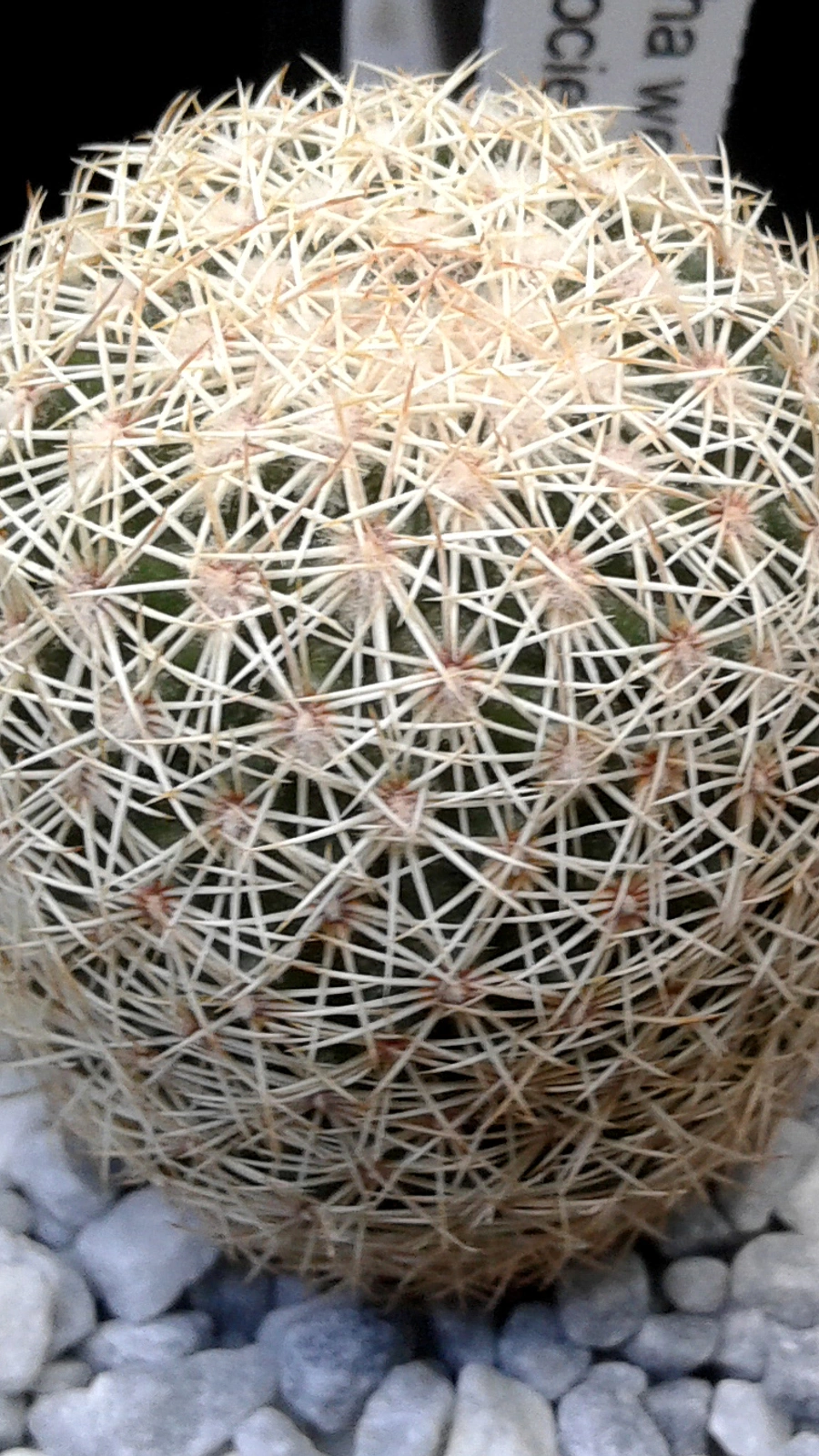
Coryphantha werdermannii

Werdermann's Coryphantha

Overview

Coryphantha werdermannii is a highly rare and slow-growing globose cactus species belonging to the Cactaceae family, strictly protected due to habitat loss and illegal collection 1.

Taxonomy and Naming

Named after the renowned German botanist Erich Werdermann, this species features characteristic tuberculate stems typical of the genus Coryphantha 2.

Distribution and Habitat

Endemic to the Bolsón de Mapimí basin in Coahuila, Mexico, it grows primarily on low limestone hills, alluvial plains, and dry desert shrublands.

Appearance

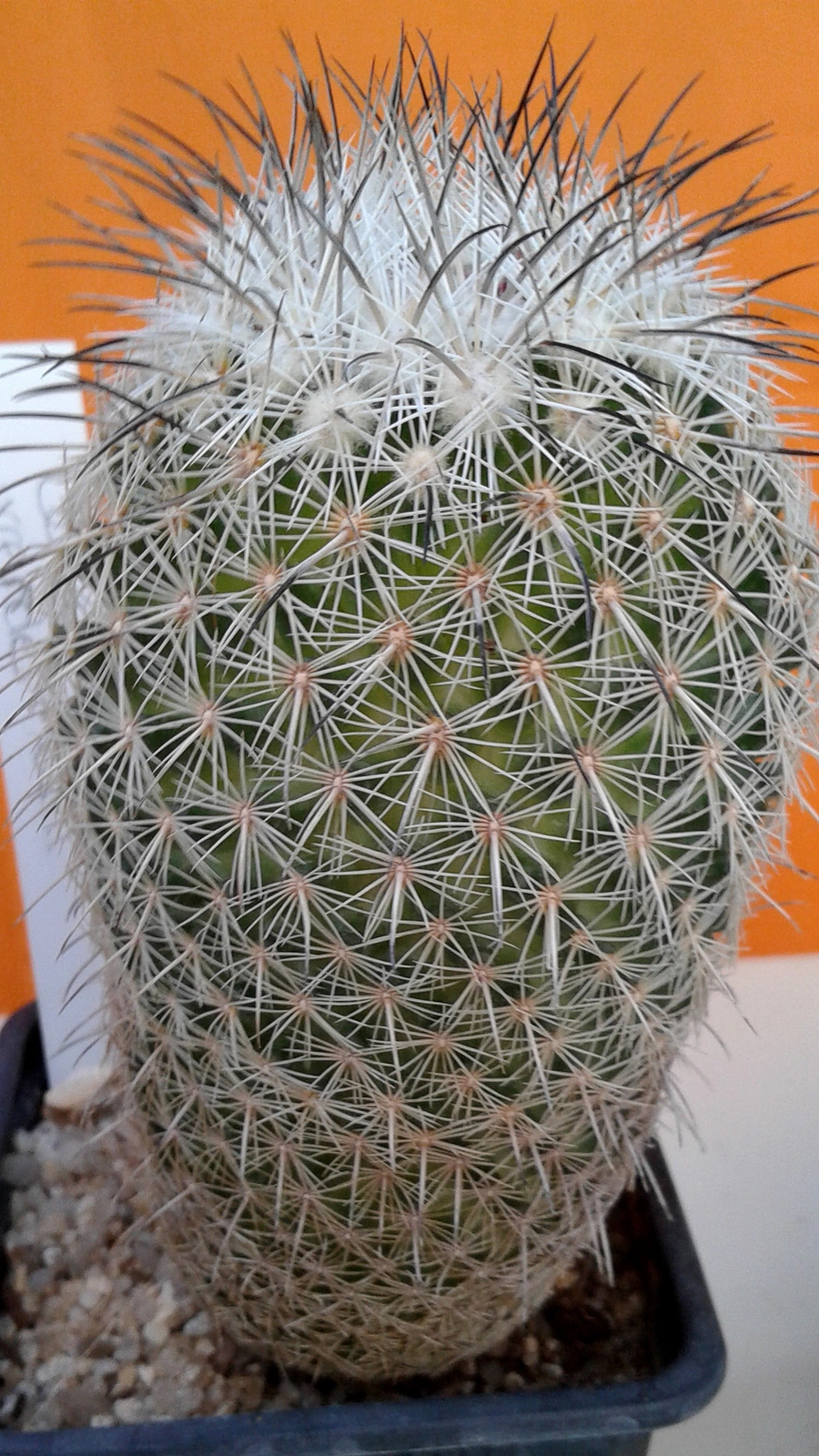
The stem is globose to shortly cylindrical, gray-green, and densely covered with pectinately arranged, whitish to yellowish spines. It produces beautiful bright yellow flowers at the apex.

Cultivation

Requires full sun exposure and an open, mineral-rich gritty substrate. Water thoroughly only when the soil has completely dried, keeping it dry during the cold winter dormancy.

Common Cultivation Mistakes

Overwatering and poor ventilation are the main causes of root rot. Lack of sufficient direct sunlight leads to etiolation and weak spine development.

Bibliography

References

  1. IUCN Red List of Threatened Species, Coryphantha werdermannii.
  2. Plants of the World Online, Kew Royal Botanic Gardens.
Light

Direct Sun

Needs at least 6 to 8 hours of direct sunlight daily to maintain its compact shape and strong spines.
Watering

12-35 Days

Water only when the substrate is completely dry. Keep 100% dry and cool during winter dormancy.

Soil

Highly porous, limestone-rich grit and coarse sand cactus mix

Requires a porous mineral soil rich in limestone grit, coarse sand, and pumice with very low organic content.

Safety

Pet Friendly

Non-toxic to pets, but the sharp spines can cause physical injury. Keep out of reach of children and animals.

Difficulty

Moderate

Moderate care difficulty due to its sensitivity to overwatering and high light demands.

Native Habitat

Mexico

Endemic to the limestone plains and alluvial soils of the Bolsón de Mapimí desert within the state of Coahuila, Mexico.

Frequently Asked Questions

How often should I water my Coryphantha werdermannii?
During summer, water only when the soil is completely dry (roughly every 10-14 days). Keep it completely dry throughout the winter.
Is this cactus toxic to pets?
It is non-toxic, but its sharp, dense spines pose a physical injury hazard to curious pets.
What is the ideal potting soil?
A highly mineral substrate containing pumice, lava rock, coarse sand, and limestone grit with minimal organic matter is ideal.
Does Coryphantha werdermannii need direct sunlight?
Yes, it requires at least 6 hours of direct sunlight daily to maintain its compact form and healthy spine development.
How fast does this cactus grow?
It is an extremely slow-growing species. Do not attempt to force growth with excessive watering or fertilizers.
Where should I keep my cactus during winter?
Keep it in a cool (5-10°C), dry, and well-ventilated spot. A cold, dry dormancy is essential for spring flowering.
What color are the flowers and when do they bloom?
It produces bright yellow to golden-yellow flowers from the apex of the stem during spring and summer.
How often should I repot it?
Because of its slow growth and delicate roots, repot only once every 3-4 years in early spring.
How can I prevent root rot?
Use pots with excellent drainage holes, avoid clayey soils, and ensure the potting medium is bone dry before watering again.
Why is this species endangered?
It is Critically Endangered (CR) due to habitat degradation and illegal poaching of wild specimens for the exotic plant trade.