
Light
Full Sun
Requires full, direct sunlight; partial shade will cause weak, abnormal elongation.
 Reference image
 Reference image
Chicha Cushion Cactus
Cumulopuntia chichensis is a cushion-forming succulent subshrub in the family Cactaceae. Highly prized by specialized collectors, this high-altitude cactus is exceptionally adapted to the harsh conditions of the Andean plains.
Originally described under the genus Opuntia as Opuntia chichensis, it was later repositioned into the genus Cumulopuntia based on its characteristic clustered growth habit 1. The specific epithet "chichensis" refers to the Nor Chichas province in southern Bolivia, where it is commonly found.
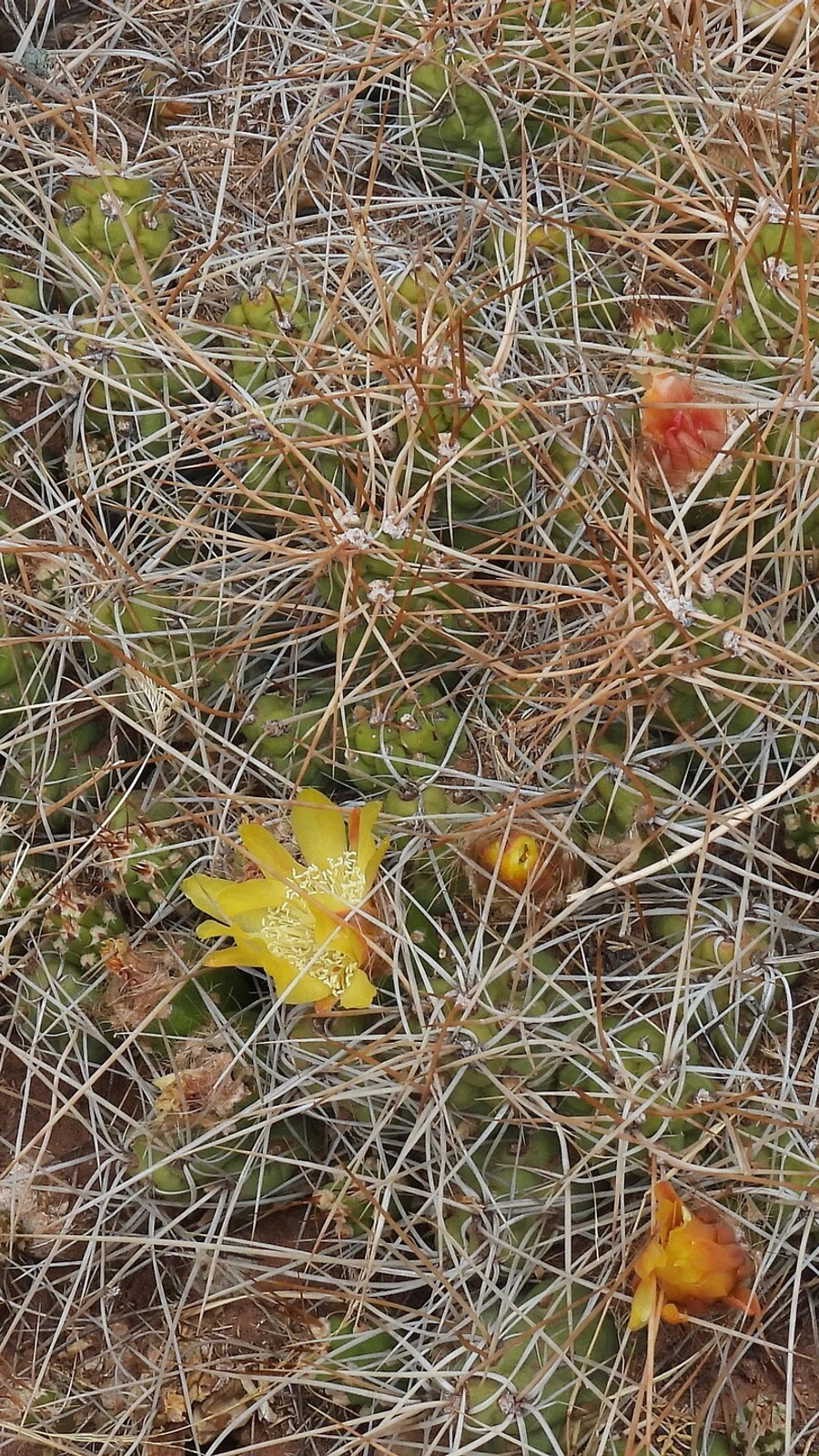
This species is native to the high-elevation Andean regions of southern Bolivia and northwestern Argentina 2. It thrives at altitudes ranging from 3000 to 4000 meters above sea level, inhabiting extremely dry, windy, and rocky slopes with volcanic soils.
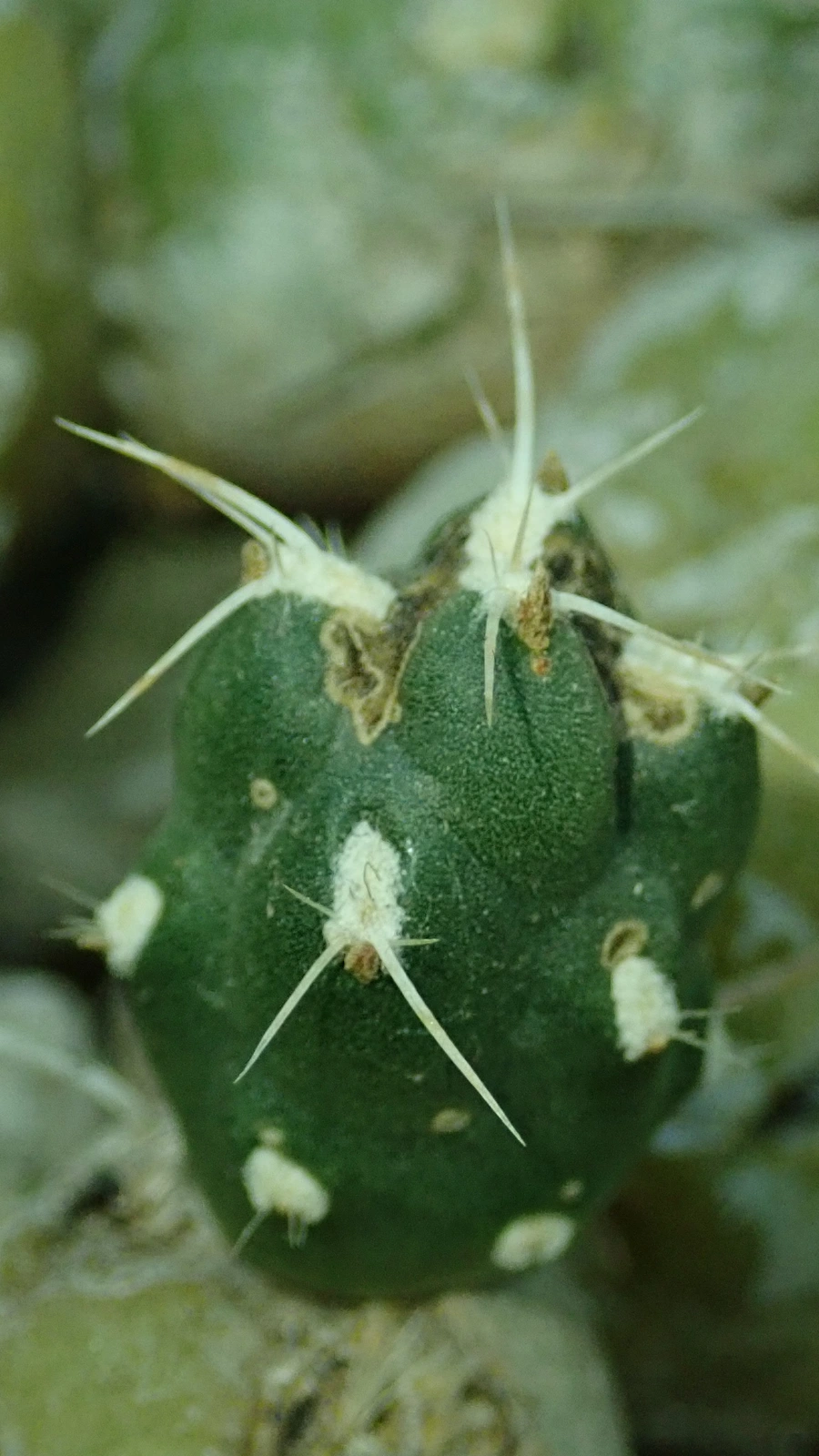
It forms dense, compact mounds composed of jointed, globose to slightly cylindrical green segments. The areoles bear prominent, robust spines ranging in color from yellowish-white to reddish-brown. During summer, beautiful yellow to orange flowers emerge at the stem tips.
In cultivation, it requires full sun exposure and excellent air ventilation. Under dry conditions, it exhibits outstanding frost tolerance. Water thoroughly during spring and summer only after the soil has completely dried out, and stop watering in autumn.
Overwatering and poor illumination are the most critical threats to this high-altitude species. Lack of direct sunlight leads to weak, elongated growth (etiolation), while stagnant water around the roots quickly results in fatal rot.
Requires full, direct sunlight; partial shade will cause weak, abnormal elongation.
Water only during the active growing season once the soil is bone dry. Keep bone dry in winter.
Prefers a mineral-heavy mix dominant in pumice, grit, and coarse sand with low organic matter.
Features long, sharp spines; keep out of reach of children and domestic pets.
Moderately easy to care for, provided strict watering discipline and high light levels are maintained.
Native to the dry, rocky highlands of the Andes in southern Bolivia and northwestern Argentina, growing at elevations between 3000 and 4000 meters.
