
Light
Full Sun
Requires full, direct, unfiltered sunlight throughout the day.
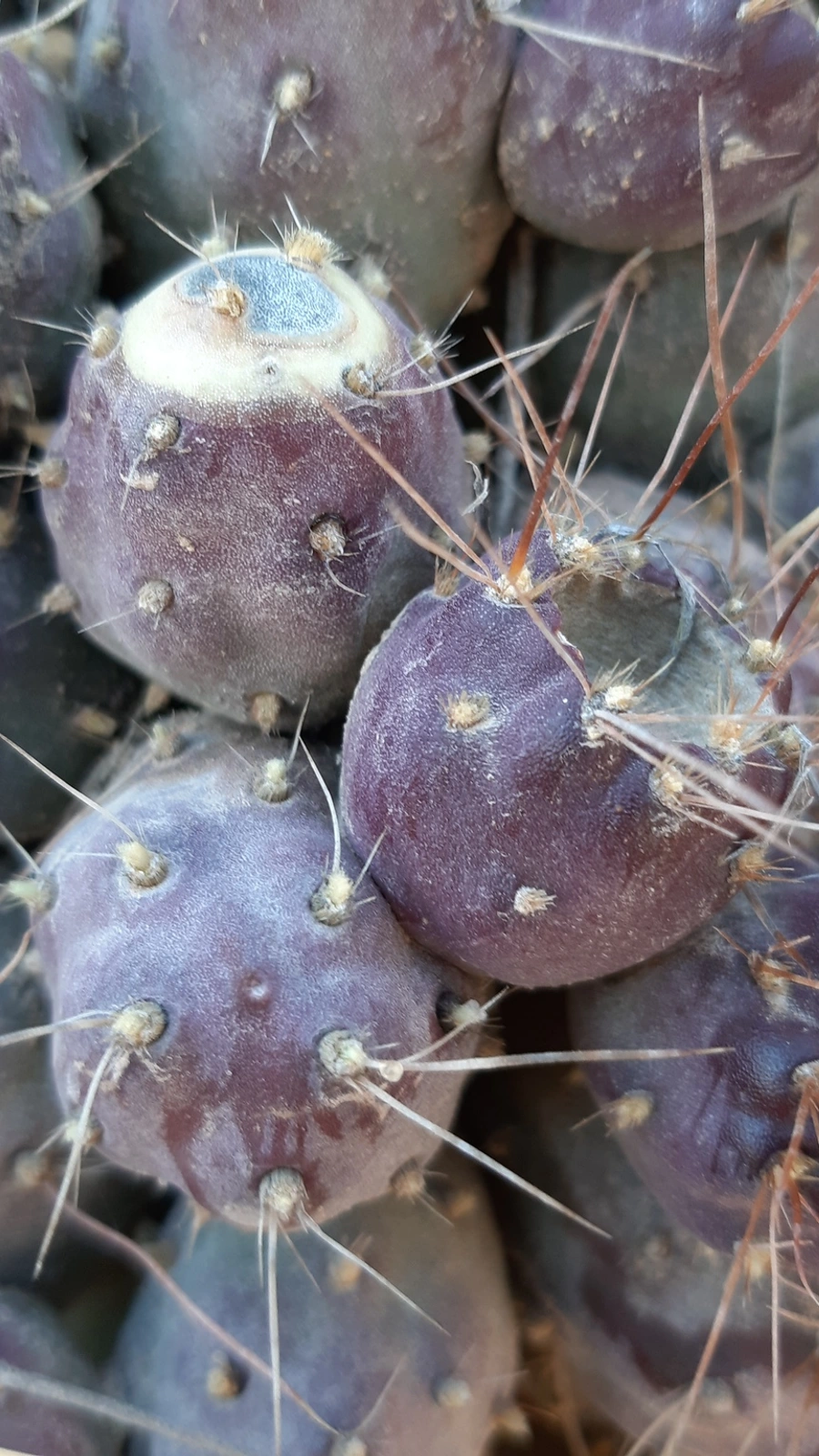 Reference image
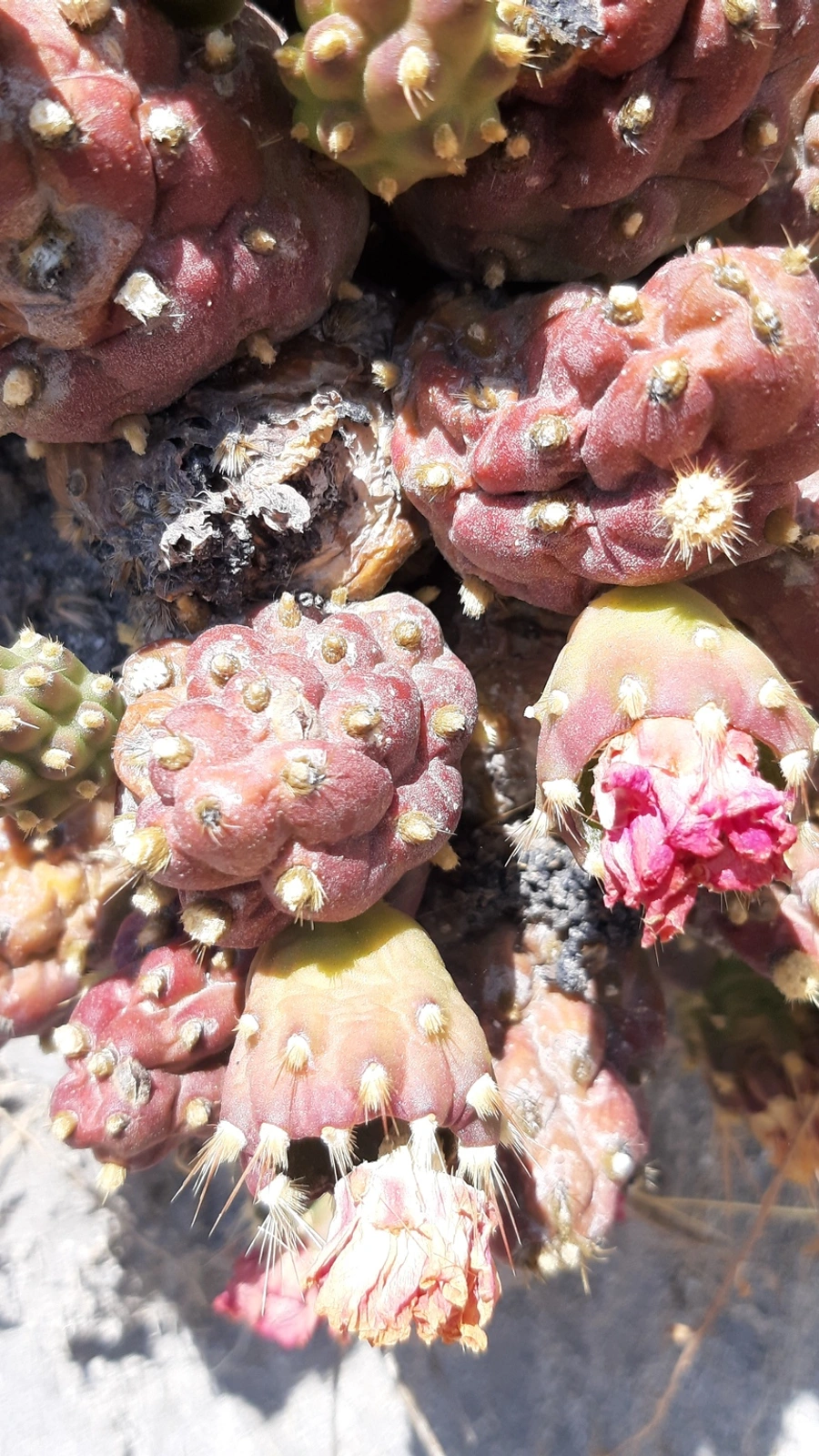 Reference image
Corotilla Mound Cactus
Cumulopuntia corotilla is a cushion-forming succulent subshrub belonging to the Cactaceae family. Adapted to harsh mountain desert environments in its native range, this species grows in compact mounds to shield itself from high winds and excessive transpiration 1.
Originally described by Karl Schumann as Opuntia corotilla, it was later reassigned to the genus Cumulopuntia during modern taxonomic revisions 2. Locally known in Peru as "Corotilla", its genus name refers to its characteristic cumulus-like mound growth habit.
This species is endemic to southern Peru, particularly around the arid and semi-arid Andean slopes of Arequipa 1. It thrives at elevations of 2000 to 3000 meters above sea level, growing on rocky outcrops, volcanic soils, and dry shrublands with very low organic content.
The stems are composed of globose to elliptical segments that easily detaches for vegetative propagation. The segments feature yellowish-brown areoles bearing stiff, straight, grayish-yellow spines. The flowers are typically bright yellow to orange, occasionally turning reddish as they mature 2.
In cultivation, extremely high light levels and superb drainage are the most critical factors. When kept completely dry in winter, it can tolerate brief frosts down to -5°C. During the spring and summer active growth phase, water only when the substrate is thoroughly dry 1.
The most frequent mistake is overwatering or keeping the plant in a high-humidity, stagnant air environment, which inevitably leads to root and stem rot. Insufficient sunlight causes weak, pale, and stretched stem growth.
Requires full, direct, unfiltered sunlight throughout the day.
Allow substrate to dry completely; keep bone dry in winter.
Highly porous, low-organic mineral mix with sand and pumice.
Equipped with sharp, rigid spines. Handle with caution and keep away from pets.
Moderately easy if watering is strictly controlled and drainage is high.
Native to the high-elevation arid regions of the Peruvian Andes, growing on dry, rocky slopes and volcanic soils exposed to high solar radiation and low rainfall.
