
Light
Full Sun
Requires full, direct sun for at least 6 hours daily to maintain its compact form.
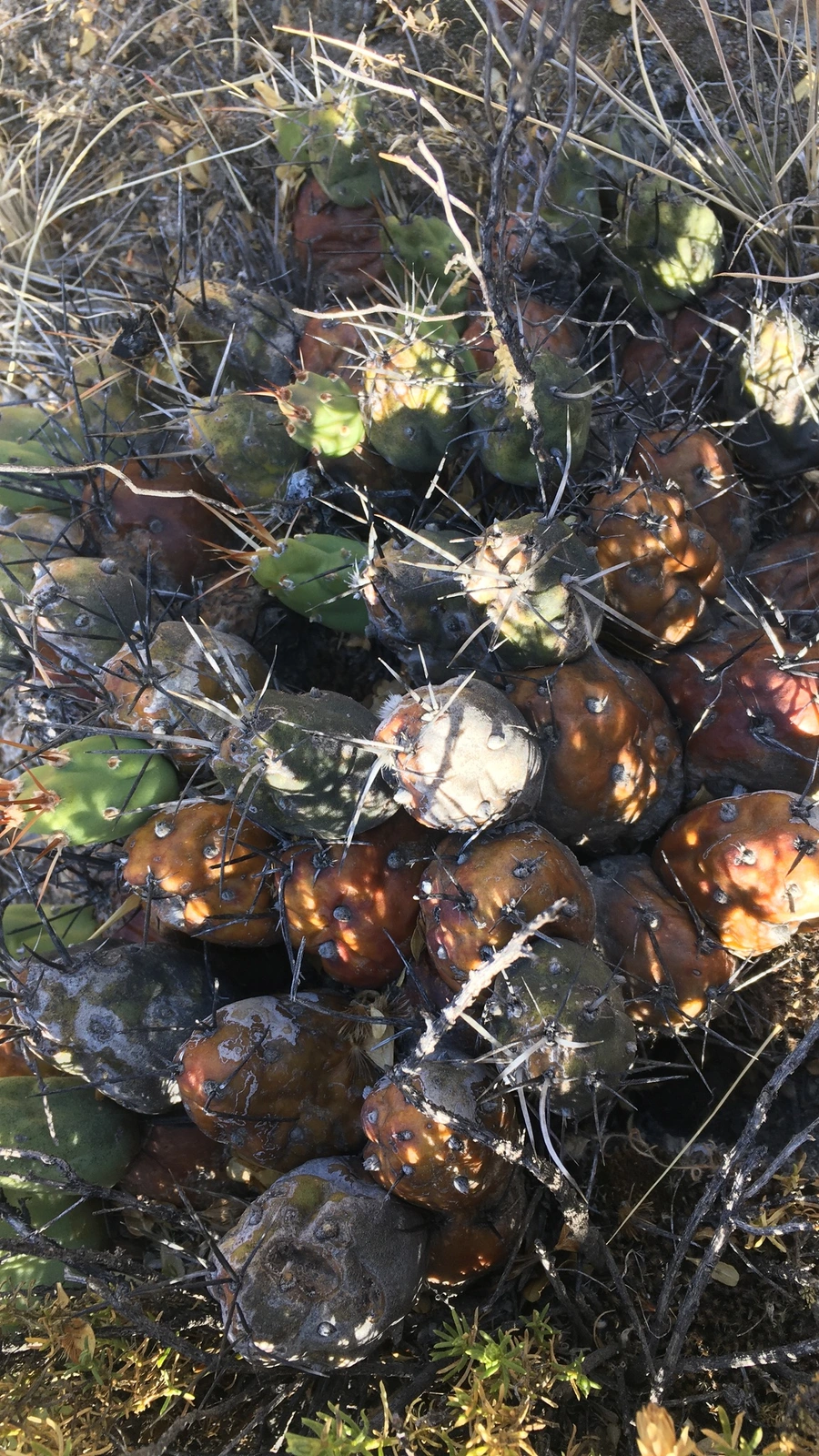 Reference image
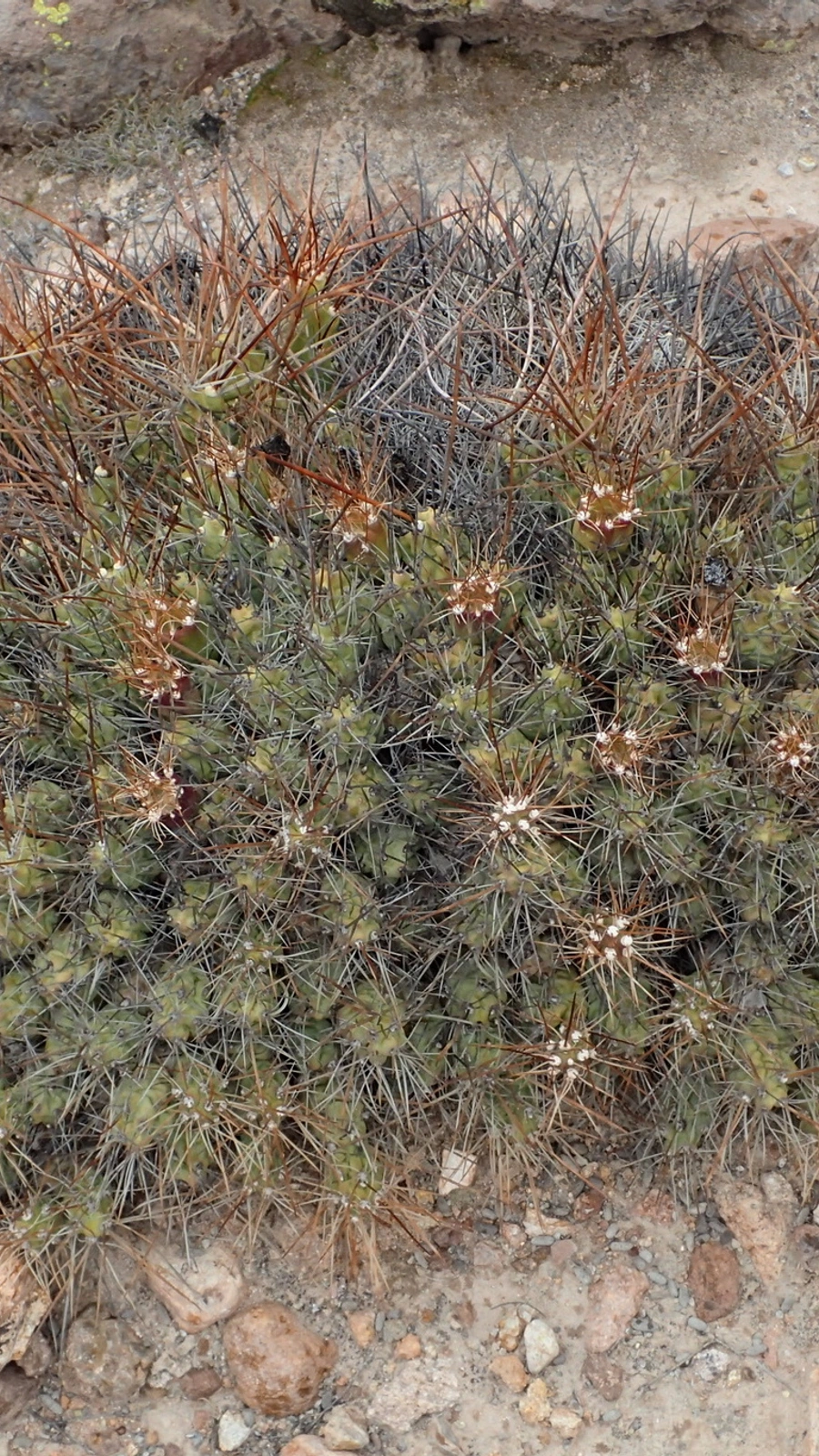 Reference image
Porcupine Mountain Cactus
Cumulopuntia echinacea is a cushion-forming, perennial succulent subshrub belonging to the Cactaceae family. Extremely well-adapted to harsh high-altitude deserts, this cactus is highly recognized for its compact growing habit and dense, protective spination.
Belonging to the subfamily Opuntioideae, the genus name Cumulopuntia derives from the Latin 'cumulus', meaning heap or mound, describing its growth form 1. The specific epithet echinacea stems from the Greek 'echinos', meaning hedgehog, directly referring to the plant's heavily spined segments that resemble a curled hedgehog 2.
This species is native to the arid desert and dry shrubland biomes of western South America, primarily spanning southern Peru and northern Chile 1. It thrives in hyper-arid conditions, typically positioned on rocky slopes and gravelly plains of the Andean altiplano at elevations between 2000 and 3500 meters 3.
Cumulopuntia echinacea forms dense, low mounds up to several decimeters wide. Individual segments are globose to slightly ovoid, reaching 5-10 cm in diameter. The areoles bear numerous stiff, needle-like spines that can reach up to 5 cm in length, ranging from straw-yellow to dark brown. Bright yellow to copper-orange flowers emerge at the stem tips during late spring 2.
In cultivation, mimicking its dry alpine habitat is crucial. It requires full sun exposure and excellent ventilation. Watering should be deep but infrequent, allowing the substrate to dry completely. During winter dormancy, it can withstand light frosts down to -5°C if kept entirely dry 3. A mineral-heavy soil mix with pumice and grit is required.
Insufficient sunlight leads to pale, weak etiolated growth. Overwatering or using organic-heavy soil causes rapid root and stem rot. Keeping the soil damp during low winter temperatures is almost always fatal to this species.
Requires full, direct sun for at least 6 hours daily to maintain its compact form.
Allow soil to dry out 100% between waterings. Strictly keep dry in winter.
Coarse mineral mix rich in pumice, lava rock, and gravel with minimal organic matter.
Armed with very sharp, stiff spines. Keep away from curious pets and children.
Moderately easy if the golden rule of dry winter dormancy is strictly followed.
Inhabits the high-altitude, rocky slopes and dry gravelly plains of the Andes, notably across the northern regions of Chile and southern Peru bordering the Atacama Desert.
