
Light
Full Sun
Requires full sun; placing it on a south- or west-facing windowsill is highly recommended.
 Reference image
 Reference image
Flexible-Spined Mound Cactus
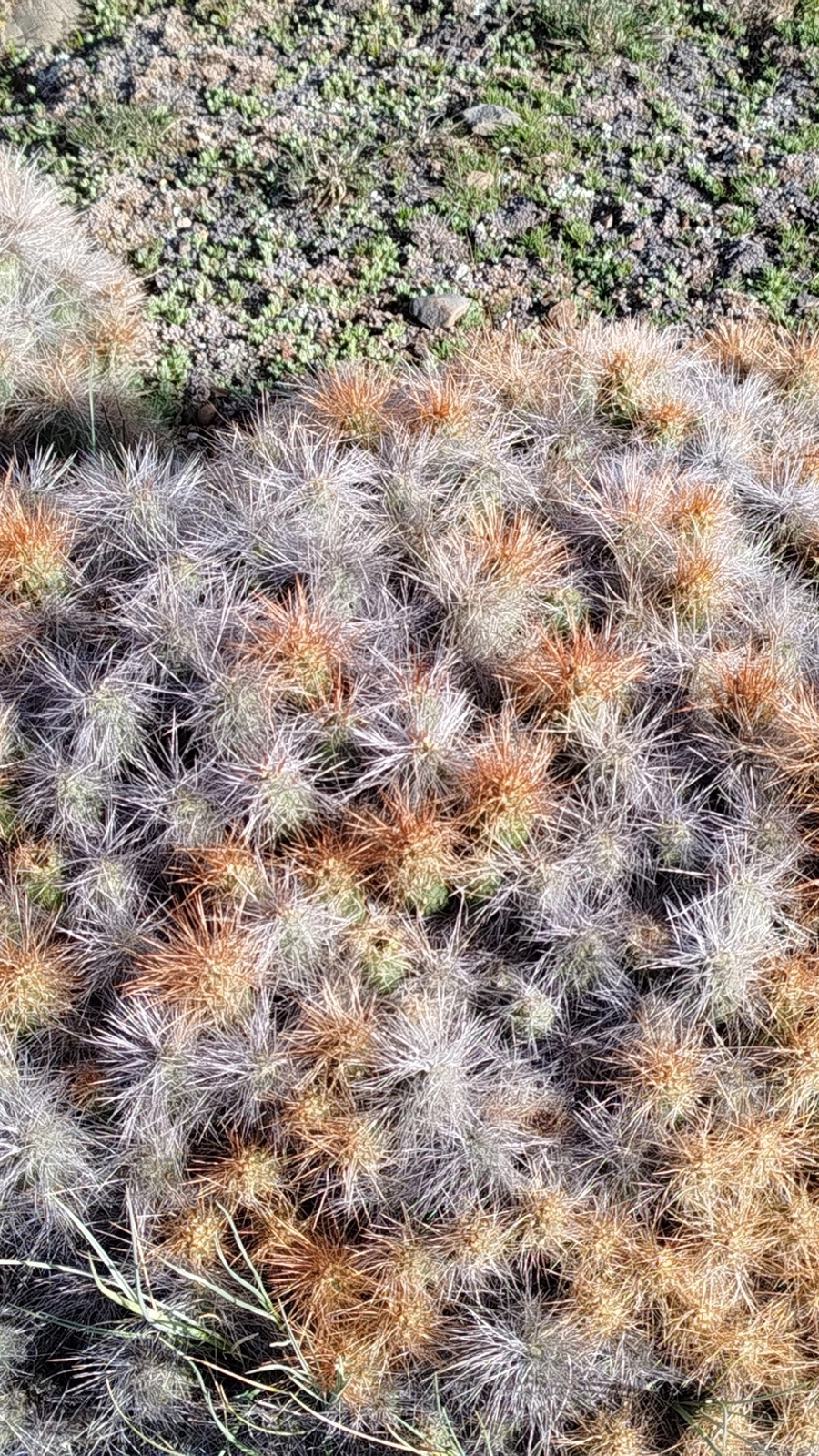
Cumulopuntia flexibilispina is a small, succulent subshrub belonging to the Cactaceae (Cactus) family. Characterized by its cushion-forming growth habit, this rare species is highly sought after by succulent collectors for its compact segmented structure and uniquely pliable, non-aggressive spines.
Situated within the subfamily Opuntioideae, the genus Cumulopuntia is distinguished from typical flat-padded prickly pears (Opuntia) by its globose to cylindrical jointed stems 1. The specific epithet flexibilispina combines the Latin 'flexibilis' (flexible) and 'spina' (spine), directly referencing the characteristic bendable and relatively soft spines that set this species apart from its stiff-spined relatives 2.
Native to western South America, Cumulopuntia flexibilispina is primarily distributed across the high-altitude, semi-arid montane tropical regions of Bolivia 3. It thrives at elevations between 3000 and 4000 meters above sea level, clinging to rocky slopes exposed to intense solar radiation, sharp diurnal temperature drops, and highly free-draining mineral soils.
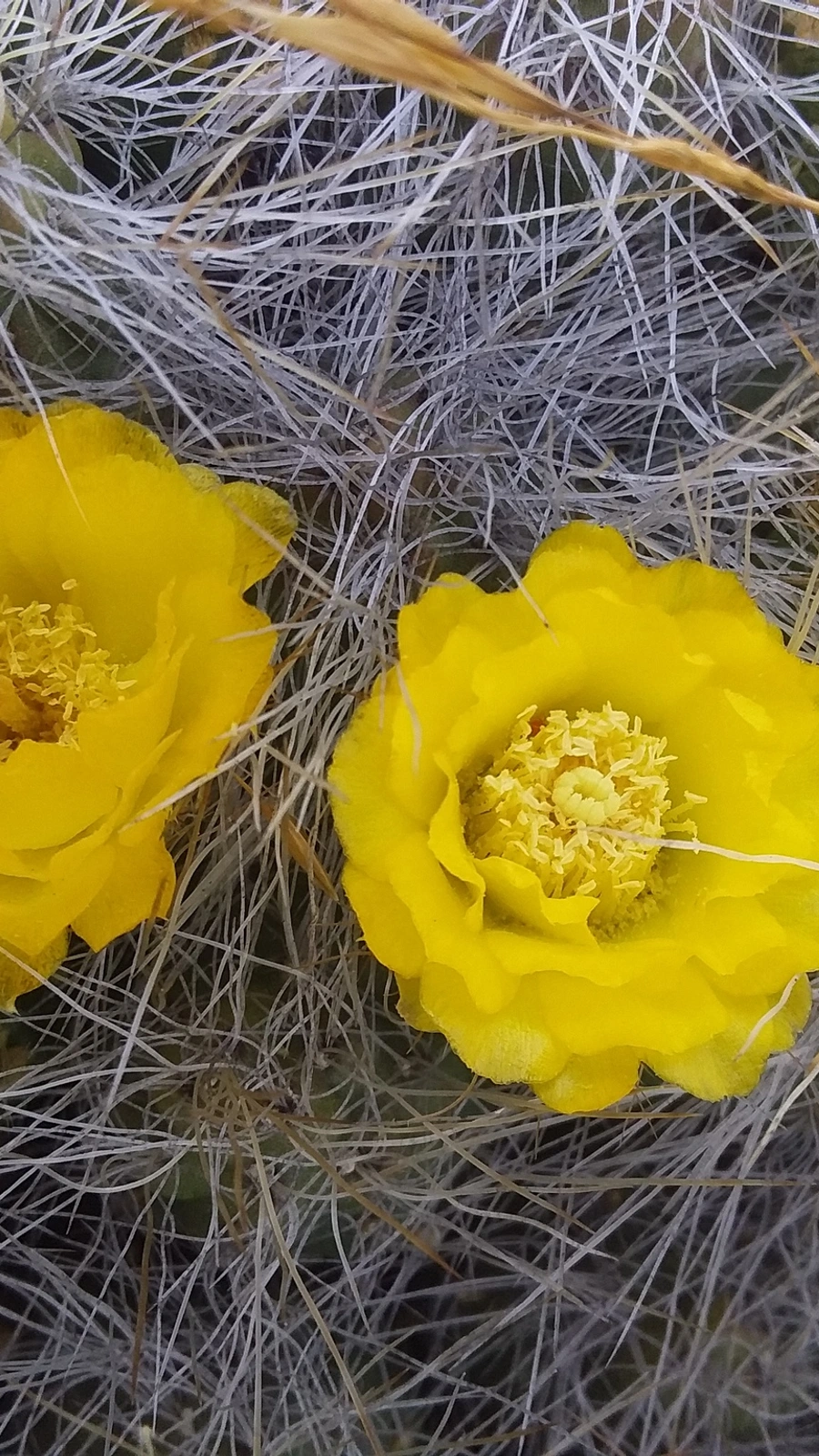
The plant develops into low, dense mounds composed of small, globose, green to grayish-green stem segments. From the woolly areoles emerge several thin, yellowish-brown to gray spines that are remarkably flexible and soft to the touch compared to other opuntioids. The diurnal flowers appear in summer at the tips of the youngest segments, exhibiting brilliant yellow or orange hues.
In cultivation, replicating its alpine habitat is key. It requires full, direct sun to maintain its compact growth form and prevent etiolation. Watering must follow a strict soak-and-dry cycle during spring and summer, transitioning to a completely dry state in winter. The substrate should consist primarily of inorganic materials like pumice and coarse grit.
The most prevalent failure is overwatering, particularly in cool or humid conditions, which rapidly triggers root rot. Insufficient sunlight results in pale, stretched, and structurally weak stem segments.
Requires full sun; placing it on a south- or west-facing windowsill is highly recommended.
Water strictly on a soak-and-dry basis during summer, and suspend watering entirely in winter.
Use a highly porous mineral mix containing at least 70% pumice, lava rock, and coarse sand.
Though the primary spines are flexible, beware of tiny glochids that can irritate skin upon contact.
Moderate. Demands precise water management and a cool winter rest period to remain healthy.
Native to the high elevations of the Bolivian Andes, where it grows on rocky slopes under conditions of intense solar radiation, cold nights, and very little organic soil matter.
