
Light
Full Sun
Demands full direct sun; will weaken and stretch in shaded spots.
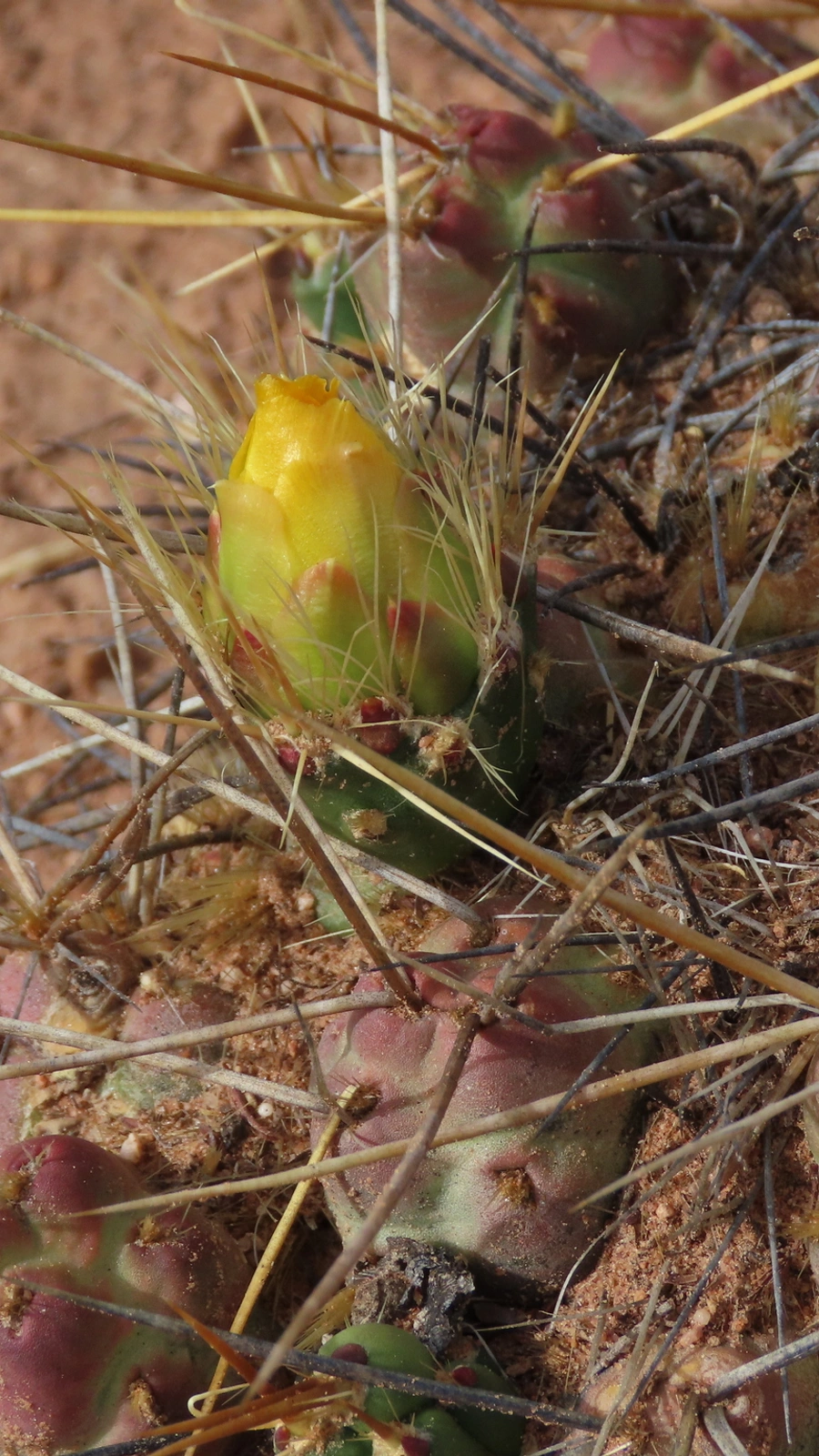 Reference image
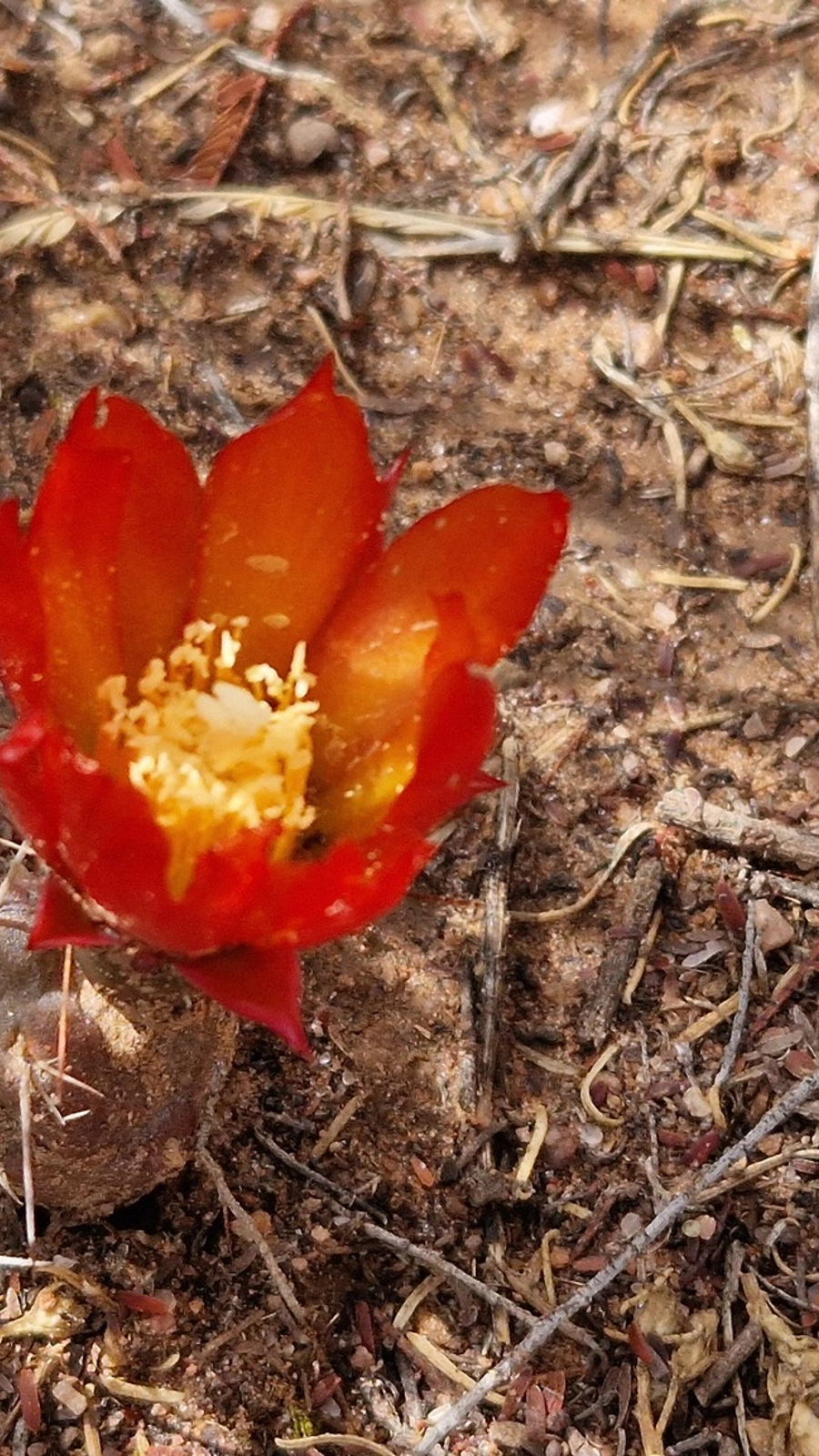 Reference image
Iturbe Mound Cactus
Cumulopuntia iturbicola is a dwarf, cushion-forming succulent shrub belonging to the Cactaceae family. Resilient and highly adapted to extreme conditions, this high-altitude species is a prized gem among specialist succulent and cactus collectors 1.
The genus Cumulopuntia is closely segregated from the broader Opuntia group, characterized by its compact, segmented, subglobose to cylindrical stem joints. The specific epithet iturbicola refers to its habitation near the Iturbe region 2.
This species is native to the arid montane zones of northwestern Argentina in South America. It thrives in gravelly, rocky soils on dry slopes, exposed to intense solar radiation and minimal rainfall within dry shrublands 1.
The plant forms dense, low-growing mounds composed of multiple green, egg-shaped or spherical segments. The areoles are armed with stiff spines that shield the plant from harsh weather. Large, showy yellow to orange flowers emerge from the apical meristems of mature segments.
In cultivation, it requires full sun and outstanding air circulation. Watering must be sparse, allowing the substrate to dry completely between cycles. During winter, it should be kept dry and cool to simulate its natural dormant cycle.
Overwatering and low-light conditions are the primary causes of root rot and etiolation. Keeping the plant warm and wet in winter will disrupt its dormancy and suppress flowering 2.
Demands full direct sun; will weaken and stretch in shaded spots.
Allow soil to dry out 100% in summer; keep completely dry during winter dormancy.
Prefers a highly mineral, gritty substrate with very little organic matter.
Has sharp spines and tiny glochids; wear protective thick gloves when handling.
Moderate. Easy if watering is strictly controlled and light is abundant.
Inhabits high-altitude, wind-swept, and extremely dry rocky slopes of the Andean valleys.
