
Light
Full Sun
Requires full sun, ideally a south-facing window or greenhouse placement.
 Reference image
 Reference image
Rossiana Cumulopuntia
Cumulopuntia rossiana is a captivating cushion-forming succulent subshrub belonging to the Cactaceae family. Renowned for its compact segment growth and striking diurnal flowers, it is a prized specimen for alpine cactus enthusiasts.
Originally classified under the broad genus Opuntia, it was later repositioned to Cumulopuntia to reflect its distinct segmented growth and seed morphology 1. The specific epithet honors Wilhelm Ross, a dedicated German plant explorer.
This species is native to the high-altitude (2500-4000 meters above sea level) puna grasslands and semi-deserts of Bolivia, Peru, and Northwestern Argentina 2. It thrives in gravelly, wind-swept soils exposed to intense solar radiation and extreme temperature fluctuations.
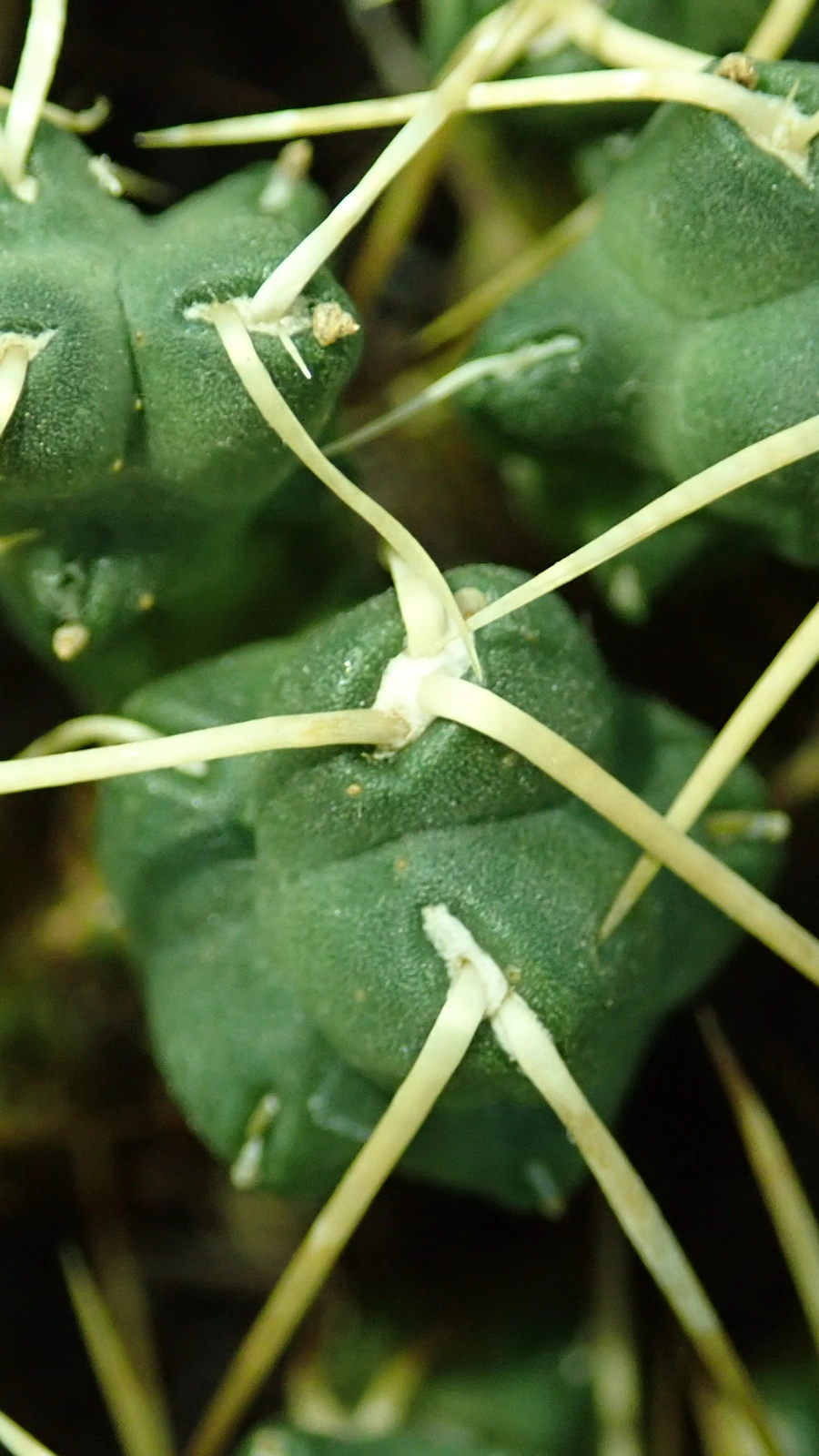
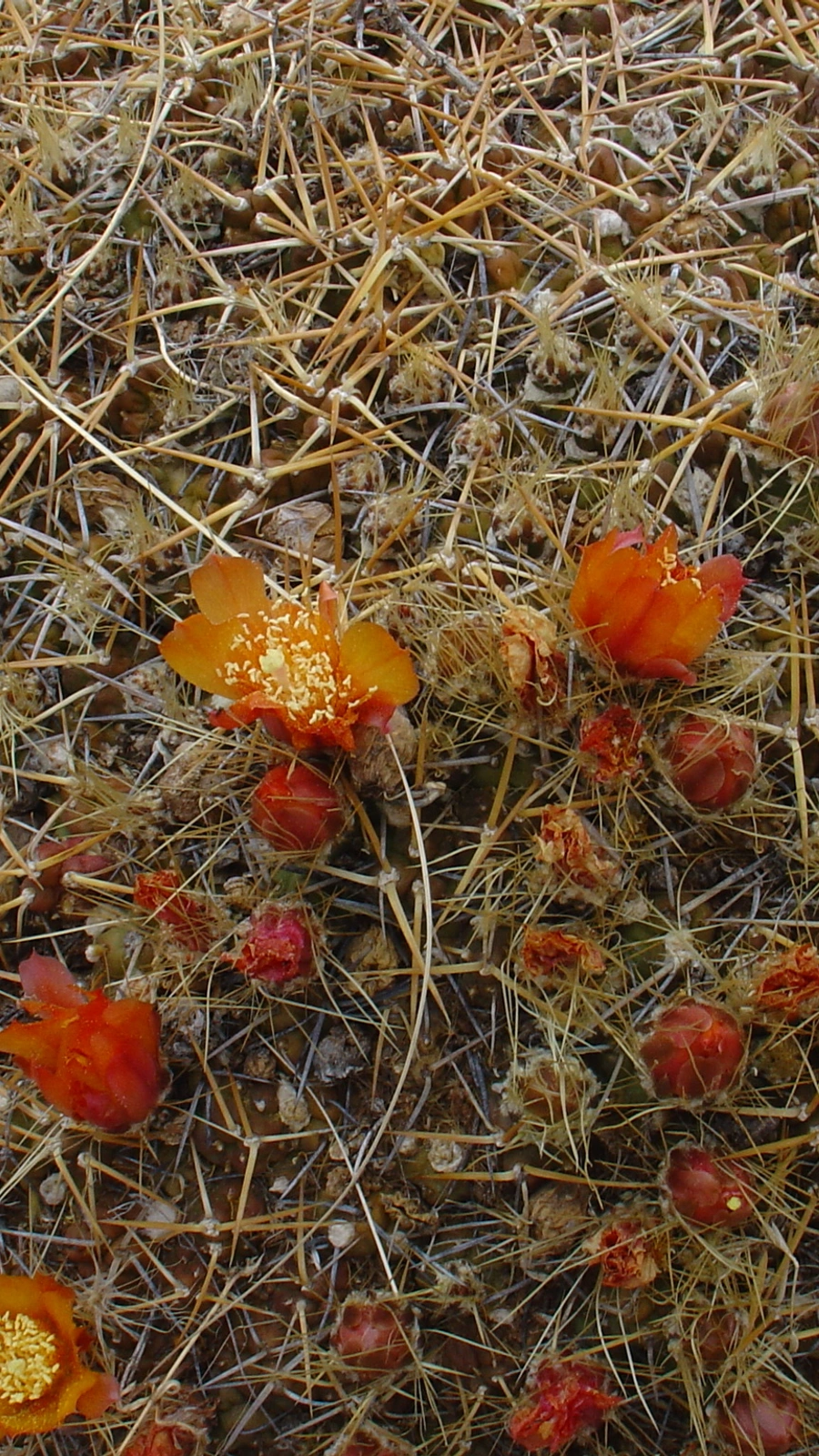
It forms low, dense mounds of globose to ovoid segments, each measuring 2-4 cm in diameter. The areoles bear fine glochids and variable, flexible, yellowish spines. In late spring, vibrant yellow to fiery orange flowers erupt from the terminal stems, followed by dry, globose fruits 1.
In cultivation, C. rossiana demands an open, mineral-heavy substrate with minimal organic matter. It requires generous watering during its active summer phase, provided the soil dries out fully between applications, and absolute dryness in winter.
Overwatering and the use of rich, moisture-retaining organic soils are the primary causes of root rot and plant demise 2. Insufficient sunlight will result in weak, elongated segments that lack their characteristic compact, spherical form.
Requires full sun, ideally a south-facing window or greenhouse placement.
Allow soil to dry out completely between waterings. Keep dry in winter.
Use a grit-heavy, porous mix consisting of pumice, lava rock, and coarse sand.
Non-toxic to pets, but has sharp spines and glochids. Handle with care.
Very easy if light is adequate and soil has impeccable drainage.
Thrives in the high-elevation Andean puna of western South America, spanning across dry, rocky mountain slopes in Bolivia and adjacent territories in northern Argentina and Peru.
