
Light
Full Sun
Requires full sun, ideally 6 to 8 hours of direct sunlight daily, to maintain its compact growth form.
 Reference image
 Reference image
Zehnder's Cumulopuntia
Cumulopuntia zehnderi is a rare and highly specialized succulent subshrub in the family Cactaceae, native to the high-altitude regions of the Andes. It is characterized by its compact, cushion-forming habit, which serves as an adaptation to survive extreme drought and harsh alpine winds.
Named in honor of M. Zehnder, a dedicated cactus enthusiast, the species belongs to the genus Cumulopuntia within the subfamily Opuntioideae. Taxonomically, it is distinguished from other opuntioid cacti by its globose to ovoid stem segments and specific seed morphology 1.
This species is native to western South America, specifically endemic to the high-altitude dry shrublands and deserts of southern Peru 2. It thrives at elevations exceeding 3000 meters above sea level, growing on rocky slopes and gravelly plains with minimal organic matter.
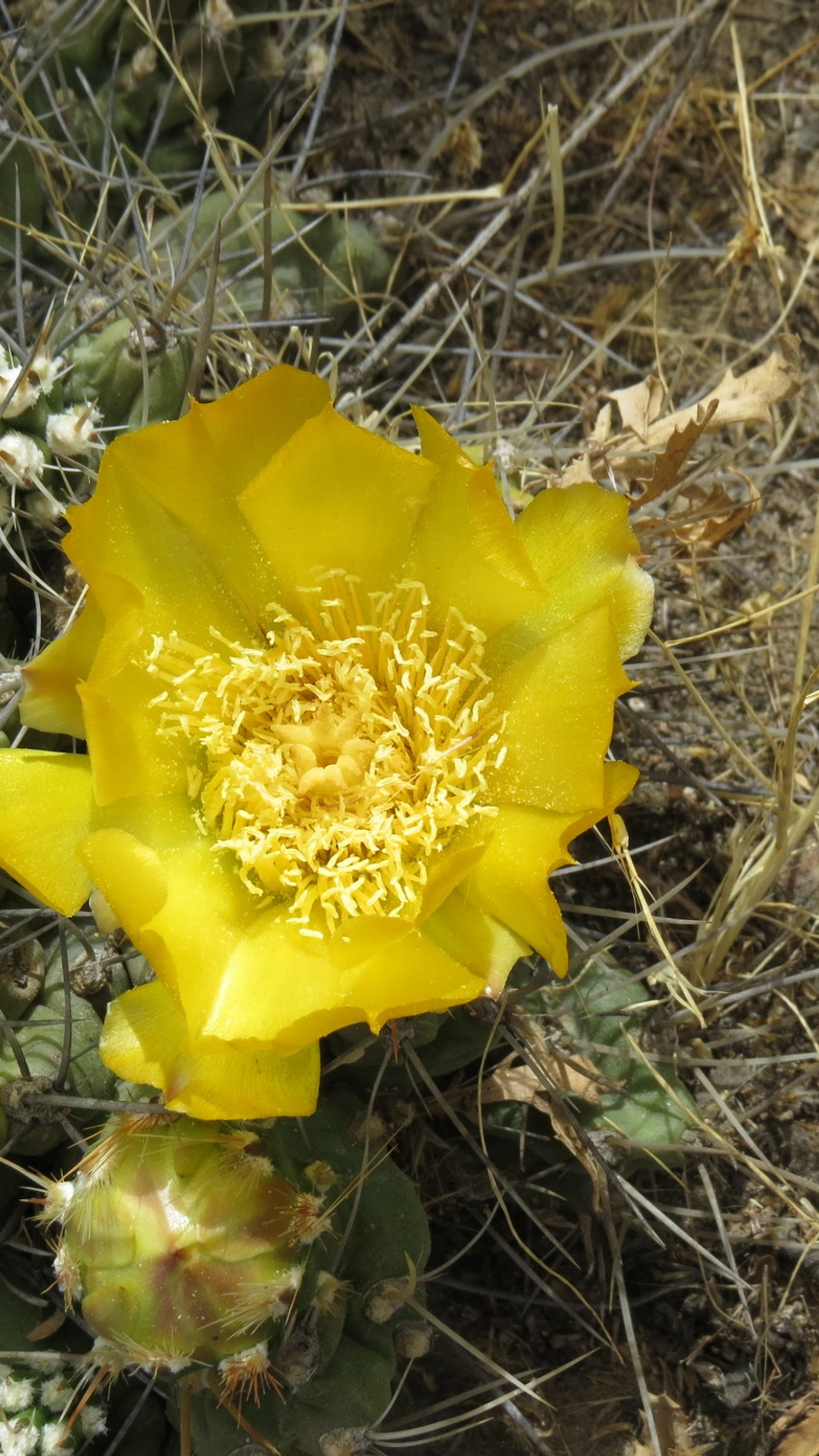
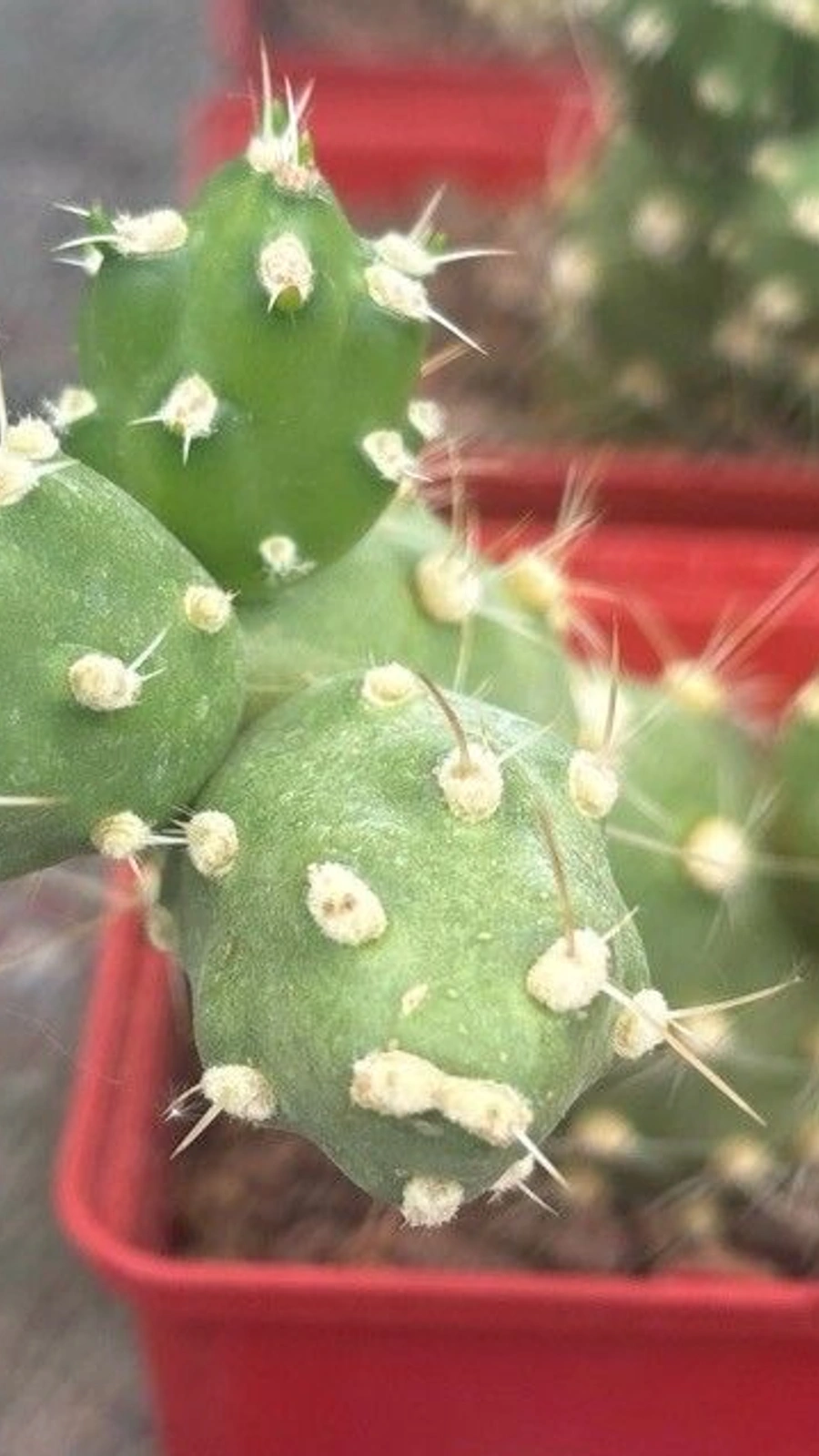
Cumulopuntia zehnderi consists of small, egg-shaped to globose, pale green or grayish-green segments. The areoles bear sharp, needle-like, yellowish spines that deflect harsh UV radiation. Its flowers are typically bright yellow, emerging from the uppermost areoles of mature segments during the growing season.
In cultivation, it requires maximum sunlight and an exceptionally free-draining mineral substrate. Water should be applied only when the soil is completely dry, and kept completely dry during winter dormancy to prevent root rot and mimic its natural environment.
The most frequent error is overwatering, particularly in poorly drained soil, which rapidly leads to lethal root rot. Insufficient sunlight causes the segments to stretch (etiolate), weakening the plant's overall structure.
Requires full sun, ideally 6 to 8 hours of direct sunlight daily, to maintain its compact growth form.
Allow the soil to dry out 100% between waterings. Keep completely dry throughout the cold winter months.
Use a highly mineral, gritty substrate with very little peat. High-porosity materials like pumice are essential.
Equipped with sharp spines. Keep away from pets and children, and handle with thick gloves or tongs.
Moderate. It is very easy to maintain if you strictly control soil moisture and provide abundant sun.
Native to the high-elevation Andean slopes of southern Peru, adapted to hyper-arid desert conditions and rocky alpine habitats.
