
Light
Full Sun
Requires full sun, ideally 6+ hours of direct sunlight daily to maintain dense spine growth.
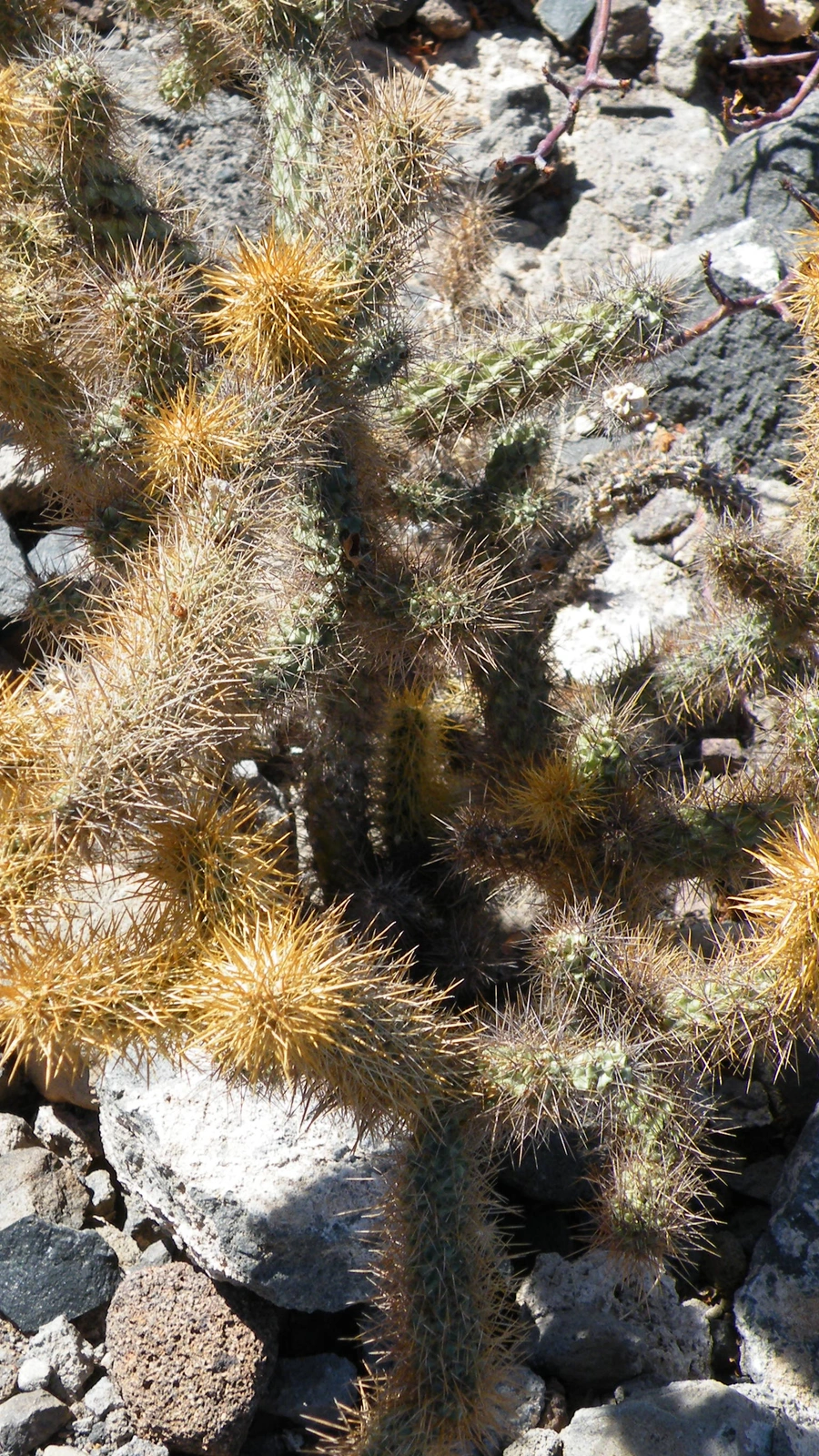 Reference image
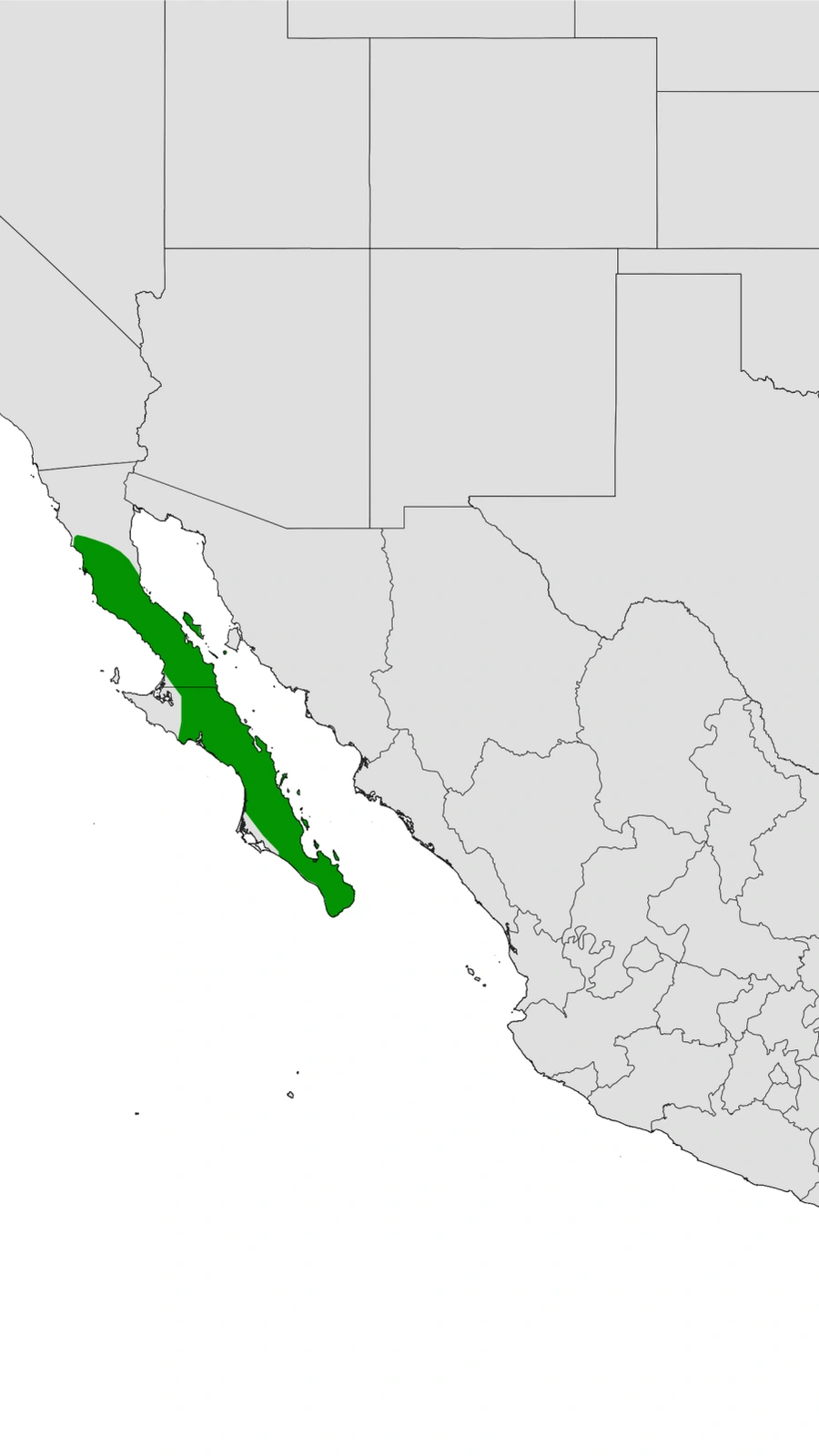 Reference image
Alcahes Cholla
Cylindropuntia alcahes is a highly spiny, shrubby cactus species belonging to the family Cactaceae. Famously adapted to hyper-arid conditions, this species is noted for its tough, architectural form and extreme drought tolerance 1.
Originally described by Weber, it is classified under the genus Cylindropuntia, commonly known as cholla cacti. Locally in Mexico, it is known as 'Alcahes', referring to its traditional regional presence 1.
This species is primarily endemic to the Baja California Peninsula of Mexico. It thrives in desert environments, rocky slopes, and sandy alluvial plains, where it endures high temperatures and intense sunlight 2.
It grows as a heavily branched, shrubby cactus. The stems consist of cylindrical, easily detached joints. These joints are densely covered in sharp, barbed spines encased in papery sheaths. Its flowers are typically greenish-yellow, occasionally tinged with red, followed by spiny fruits 2.
In cultivation, it requires very little maintenance. It must be grown in full sun and perfectly drained, sandy or gravelly soil. Overwatering is the primary threat, and watering should be minimal during winter months.
The most frequent mistake is waterlogged soil, which rapidly causes root rot. Placing the plant in low-light indoor environments leads to weak, stretched growth (etiolation) and loss of vigor.
Requires full sun, ideally 6+ hours of direct sunlight daily to maintain dense spine growth.
Water only when the soil is dry. Avoid wet soil at all costs, especially in winter.
Requires an extremely porous mineral mix containing pumice, coarse sand, and perlite.
Armed with very sharp, barbed spines that easily attach to skin and clothing. Handle with care.
Moderate. It is very easy if kept dry and sunny, but highly sensitive to overwatering.
Native to the arid desert regions and rocky hillsides of the Baja California Peninsula in Mexico, where it forms dense, spiny shrub communities.
