
Light
Full Sun
Requires full sun; ideal for south-facing windows, balconies, or sunny garden beds.
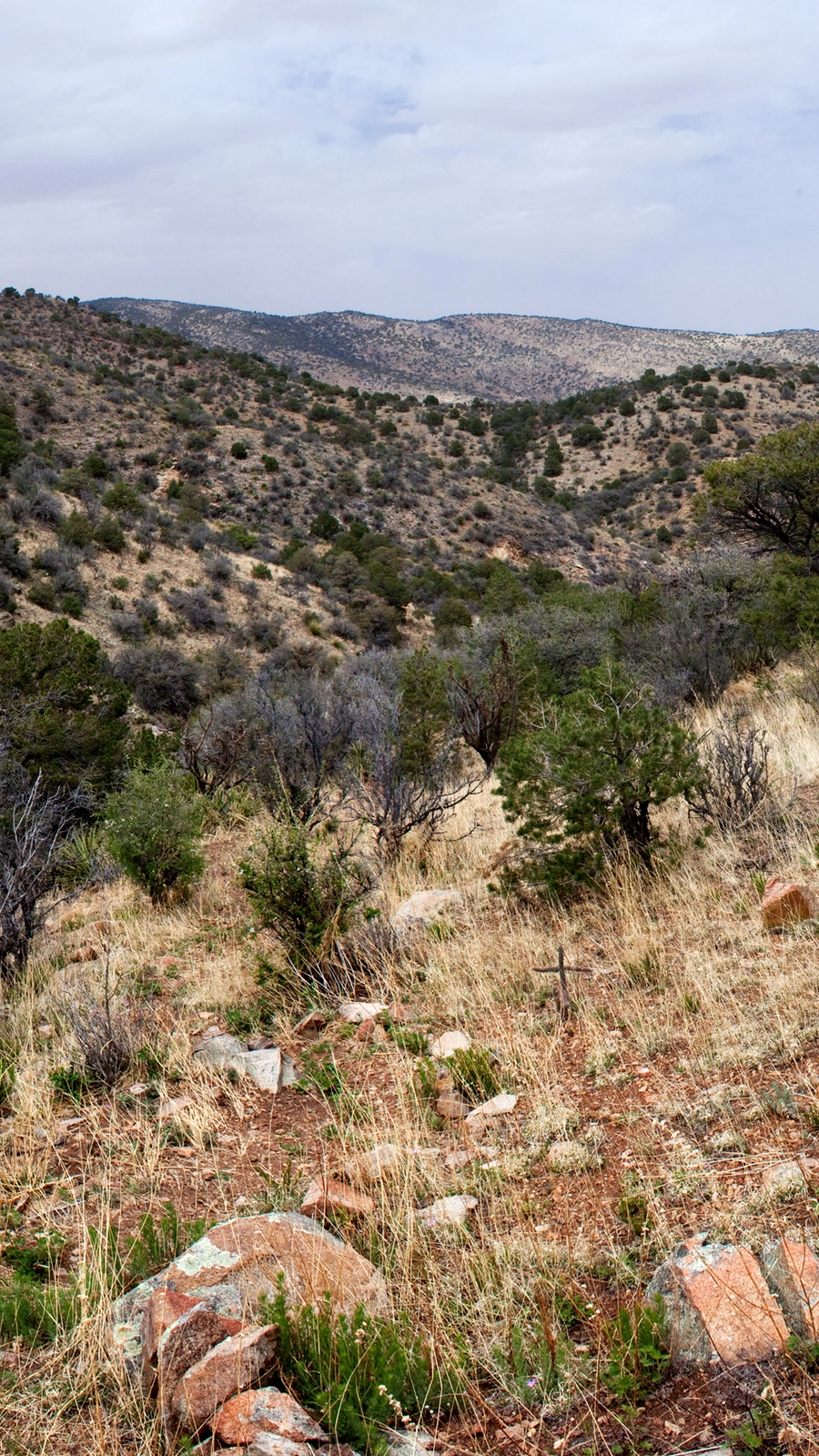 Reference image
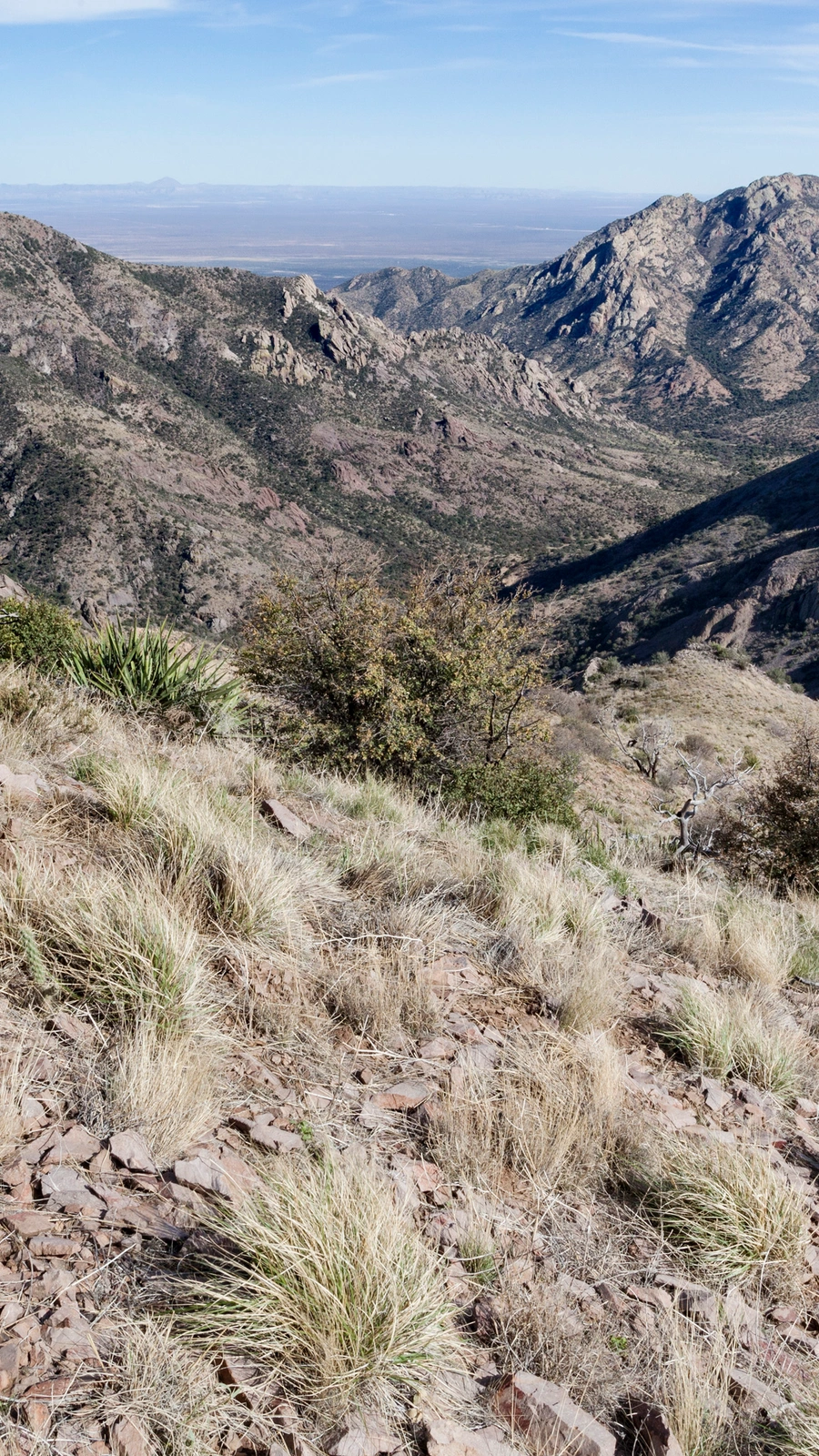 Reference image
Congested Cholla
Cylindropuntia × congesta is an extremely hardy, drought-tolerant, shrubby succulent hybrid in the cactus family (Cactaceae) 1. It represents a natural hybrid between Cylindropuntia acanthocarpa and Cylindropuntia whipplei 2. Characterized by its dense and complex branching structure, this cactus is highly valued in xeriscaping and botanical collections.
Belonging to the genus Cylindropuntia, the "×" in its scientific name denotes its hybrid origin. The specific epithet "congesta" is derived from Latin, meaning "crowded" or "congested," which directly refers to its tightly packed, highly branched growth habit.
This hybrid is native to North America, primarily localized within the southwestern United States, particularly Arizona 1. It thrives in desert scrub, arid shrublands, rocky slopes, and well-draining sandy flats, where it tolerates harsh desert conditions 2.
It forms an upright to semi-erect, densely branched succulent shrub. The stem segments are cylindrical, tuberculate, and heavily armed with sharp spines. These spines protect the plant from intense solar radiation and herbivores while minimizing moisture loss. In late spring to early summer, it produces pale yellow to greenish-yellow flowers 1.
This species requires full sun and exceptionally well-drained, mineral-rich sandy or gravelly soil. It is highly susceptible to root rot if overwatered. It exhibits excellent cold hardiness during winter, provided the soil remains bone-dry 2.
The most common cultivation mistake is overwatering, especially during the cold winter dormancy period. Insufficient light exposure indoors causes etiolation, leading to weak, spindly, and pale growth.
Requires full sun; ideal for south-facing windows, balconies, or sunny garden beds.
Allow the soil to dry out 100% between waterings in summer; keep dry during the winter.
Use a specialized cactus mix rich in pumice, coarse sand, and grit to prevent water retention.
Features formidable spines that easily hook into skin or fur. Keep away from children and pets.
Very low-maintenance. Thrives on neglect as long as it receives enough light and is not overwatered.
Native to the arid desert regions of the southwestern United States, specifically thriving in the dry, rocky, and gravelly terrains of Arizona.
